
Are you planning your next trip and want to know how to travel cheaply in Peru without sacrificing comfort or missing out on anything? You have come to the right place. Peru is an incredibly affordable destination if you know how to manage your budget, choose the right transportation, and make the most of the best local tips.
In this complete guide, we show you how much money you need per day, how to find affordable flights and accommodation, what to eat to save money, and how to take guided tours of the main cities on a backpacker budget.
1. How Much Money Do You Need to Travel Cheaply in Peru?
To travel around Peru on a backpacker or budget, plan to spend approximately S/ 115 to S/ 185 ($30 to $50 USD) per person per day. This amount will cover accommodation, three meals a day, basic local transportation, and some attractions.
To help you plan your daily expenses accurately, here is an estimated breakdown of costs by category:
- Accommodation (Hostels and shared dorms): Between S/ 30 and S/ 60 ($8 to $16 USD) per night for a bed in a shared dormitory in Lima, Cusco, or Arequipa.
- Food (Local food and set menus): Between S/ 35 and S/ 55 ($9 to $15 USD) per day when eating at local markets or restaurants offering a set menu (starter, main course, and non-alcoholic drink).
- Local transportation (Urban buses and colectivos): Between S/ 10 and S/ 20 ($3 to $5 USD) per day for getting around the main cities.
- Tours and basic admission fees: Between S/ 40 and S/ 75 ($10 to $20 USD) per day for museums or tourist tickets. (Tip: save money by joining Free Walking Tours in the main squares).
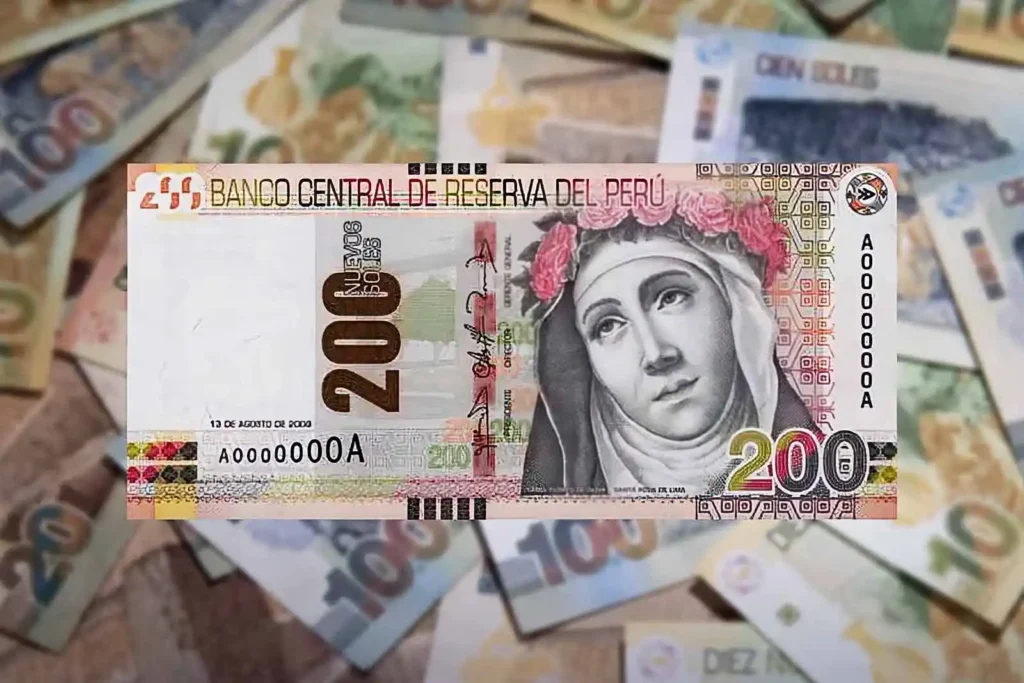
💡 Local money-saving tip: Always carry some cash in soles (S/) for small purchases at markets or craft stalls. Although credit cards are accepted at larger establishments, inexpensive food stalls and small businesses often accept only cash or local payment apps.
2. Tips for Finding Cheap Flights and Affordable Transportation
Getting cheap tickets in Peru does not depend on luck, but on knowing where and when to look. To travel around the country without spending more than necessary, follow these key tips:
Use tools such as Google Flights, Skyscanner, or Kayak to compare fares from different airlines in one place.
- The flexibility trick: If your dates are flexible, turn on price alerts. Flying from Tuesday to Thursday is usually between 15% and 25% cheaper than flying on weekends.
- Ideal booking window: For domestic flights in Peru, book 4 to 8 weeks in advance. If you are traveling during the high season (May to August or during holidays such as Peru’s Independence Day celebrations in July), book at least 3 months in advance.
Take Advantage of Low-Cost Airlines in Peru
Currently, the main airlines for finding affordable one-way fares are:
- SKY Airline and JetSMART: Excellent options for flying between Lima, Cusco, Arequipa, Piura, and Tarapoto, with basic fares starting at S/ 90 to S/ 150 ($24 to $40 USD) per one-way trip.
- LATAM Airlines: Although it is not strictly a low-cost airline, it often offers very competitive promotions if you book in advance.

💡 Local money-saving tip: The cheapest fares (Basic or Zero) only include a handbag or small backpack that fits under the seat. If you travel with a cabin bag or checked luggage, the price can double. Travel light and you will save quite a bit of money!
3. Traveling by Bus in Peru: The Cheapest Option
If you have time and want to save money on tickets or accommodation, traveling around Peru by bus is one of the most popular and affordable options. Unlike in some other countries, Peru’s intercity bus network has modern, high-quality vehicles equipped for long-distance journeys.
Advantages of Traveling by Bus in Peru
- Save on accommodation (hotel nights): Taking an overnight bus on long routes (such as Lima–Arequipa or Cusco–Puno) allows you to sleep while traveling and save the cost of one night’s accommodation.
- Superior comfort: Buses have Bus Cama seats (with a 140° to 160° recline) and Cama Ejecutivo seats (with up to 180° recline), air conditioning, individual screens, and onboard bathrooms.
- Affordable prices: A long-distance bus trip usually costs 30% to 50% less than a last-minute flight ticket.
Recommended Bus Companies and Estimated Prices
Depending on your budget, you can choose from several reliable bus companies:
- Cruz del Sur and OLTURSA: These are Peru’s traditional premium bus companies. They stand out for their high safety standards, private terminals, and excellent service. A trip from Lima to Arequipa costs an average of S/ 70 to S/ 130 ($18 to $35 USD).
- Civa (Superciva / Excluciva services): One of the largest bus networks in Peru. It is a very popular option among backpackers thanks to its competitive prices and almost nationwide coverage. A ticket usually costs around S/ 60 to S/ 110 ($15 to $28 USD).
- Movil Bus: Excellent mid-range buses connecting Lima with central Peru, northern Peru, and the highlands. Tickets range from S/ 50 to S/ 90 ($13 to $24 USD).
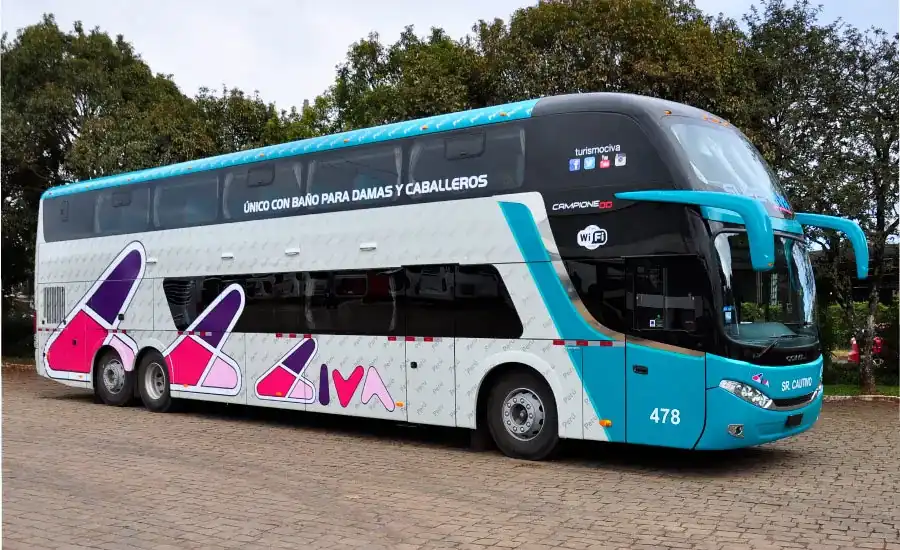
Instead of going directly to the terminal and waiting in long lines, use online bus ticket comparison platforms such as redBus.pe or Busbud. On these platforms, you can compare schedules, companies, reviews from other users, and find discounts or promotional welcome codes.
However, if for any reason you cannot buy your ticket online, you can purchase it at the private bus terminal of each company. They almost always have daily departures, especially to very popular destinations such as Cusco, Lima, Arequipa, Ica, and Puno. There is no need to buy tickets in advance; you may have to wait a few hours at the terminal, but departures are guaranteed.
It is also recommended that you call the companies’ telephone numbers and check the next available departures.
💡 Local money-saving tip: Always book with formal companies that depart from authorized bus terminals. Avoid taking informal buses on public roads or from unauthorized stops for reasons of safety and comfort.
4. Where to Stay: Hostels, Airbnb, and Couchsurfing
Accommodation usually takes up a large part of a travel budget, but in Peru there are comfortable, safe, and very affordable alternatives. Depending on your travel style and the level of social interaction you are looking for, these are the best options for staying without spending more than necessary:

Hostels and Backpackers (The Most Popular Option)
If you are traveling alone or want to meet other travelers, hostels are the number one option. Cities such as Cusco, Lima (Miraflores and Barranco), and Arequipa have a huge selection of backpacker hostels with great common areas and shared kitchens where you can prepare your own meals.
- Bed in a shared dormitory: Costs an average of S/ 30 to S/ 65 ($8 to $17 USD) per night.
- Private hostel room: If you prefer privacy while keeping the backpacker atmosphere, budget between S/ 80 and S/ 150 ($21 to $40 USD) per night for two people.
- Recommended chains: Pariwana, Wild Rover, Kokopelli, and Selina are well-known options with good facilities and a social atmosphere.
Airbnb and Shared Apartments
If you are traveling as a couple, with friends, or planning to stay in the same city for more than a week, Airbnb is ideal for saving money.
- Private room in a local home: From S/ 45 to S/ 85 ($12 to $22 USD) per night.
- Entire apartment: From S/ 120 to S/ 220 ($32 to $58 USD) per night. By splitting the cost among several friends and having access to a fully equipped kitchen, the cost per person is significantly reduced.
Couchsurfing (100% Free Accommodation)
If your budget is extremely tight and you want an immersive cultural experience with locals, Couchsurfing continues to work very well in Peru’s main tourist destinations.
- Cost: S/ 0 ($0 USD).
- Recommendation: Keep in mind that to use the platform, you need to pay a very affordable verification membership fee. Always check hosts’ references and ratings before requesting accommodation.
💡 Local money-saving tip: Many hostels in Peru include free breakfast (usually coffee, coca tea, bread, jam, and fruit). Booking a hostel with breakfast included can save you between S/ 10 and S/ 18 ($3 to $5 USD) per day from your food budget.
5. Where to Eat Well and Cheaply in Peru
Peruvian cuisine is recognised worldwide, and the best part is that you do not need to go to expensive restaurants to try its best flavours! In fact, the most authentic, tasty, and affordable food can be found in the places that locals visit every day.
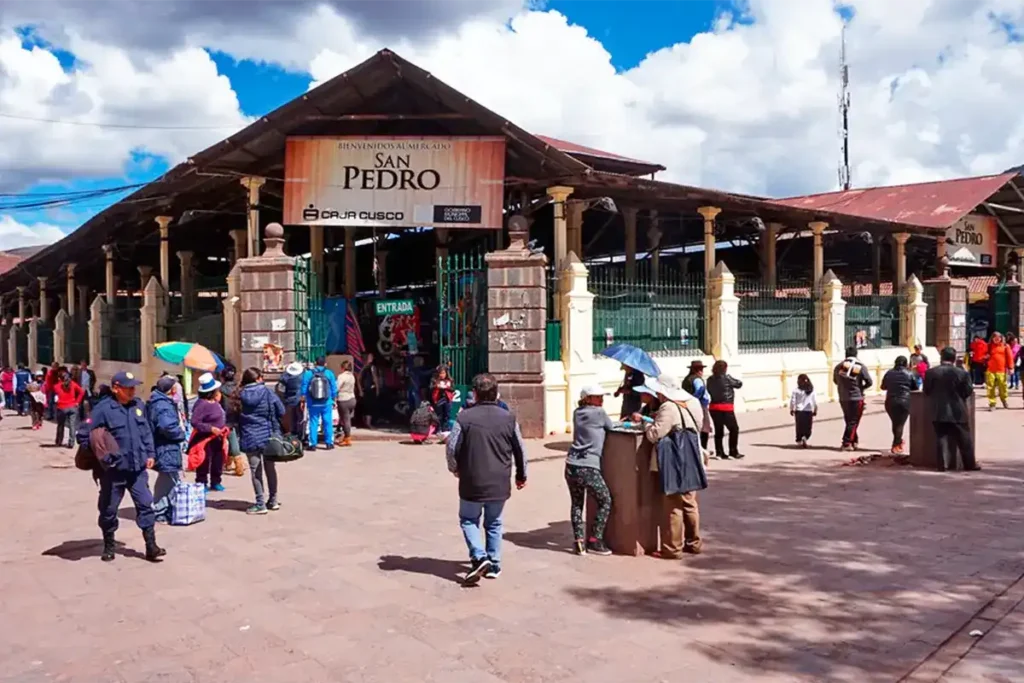
To eat really well during your trip around Peru while spending very little money, consider these options:
- The famous “Menu of the Day”: Between 12:00 and 15:00, almost all local restaurants offer the classic menú. It includes a starter (soup, papa a la huancaína, or basic ceviche), a main course (chicken with rice, lomo saltado, seco de res, etc.), and a soft drink (usually chicha morada or passion fruit juice).
- Estimated price: Between S/ 10 and S/ 18 ($3 to $5 USD) for a complete and filling lunch.
- Where to find it: Walk a couple of blocks away from the main square in any city and look for the menu boards outside restaurants.
- Local and food markets: Traditional markets in each city are the heart of local cuisine and some of the cheapest places to have breakfast and lunch.
- San Pedro Central Market (Cusco): Ideal for having caldo de gallina (chicken soup) or fresh juice for S/ 6 to S/ 10 ($1.50 to $2.80 USD).
- Surquillo No. 1 Market and Central Market (Lima): Perfect for having fresh ceviche prepared to order for S/ 15 to S/ 25 ($4 to $7 USD).
- San Camilo Market (Arequipa): An excellent place to try rocoto relleno or pastel de papa at affordable prices of S/ 12 to S/ 20 ($3.20 to $5.30 USD).
- Huariques” y Chifas (Comida China-Peruana):
- “Huariques” and Chifas (Chinese-Peruvian Food):
- Chifas: These are Chinese-Peruvian fusion restaurants. Dishes such as Arroz Chaufa or Tallarín Saltado come in huge portions that can easily be shared between two people for just S/ 14 to S/ 22 ($3.80 to $6 USD).
- Huariques: These are small local restaurants or food stalls specialising in a single dish (for example, only anticuchos or caldo de cabeza) and serving traditional recipes with outstanding flavour.
💡 Local money-saving tip: Portions in Peru tend to be very generous. Before ordering a starter and a main course from the menu, take a look at the neighbouring tables; in many places, a single à la carte dish is enough to satisfy two people.
6. Take Free Walking Tours to Save Money on Guided Tours
One of the smartest ways to save money on your trip to Peru without missing out on local history and culture is to join Free Walking Tours.
Unlike traditional private tours or expensive agencies that charge high fees before the tour begins, the concept of a free tour is based on satisfaction: you join the group, enjoy the tour led by a local expert, and at the end, you leave a voluntary tip based on your budget and how much you enjoyed the experience.
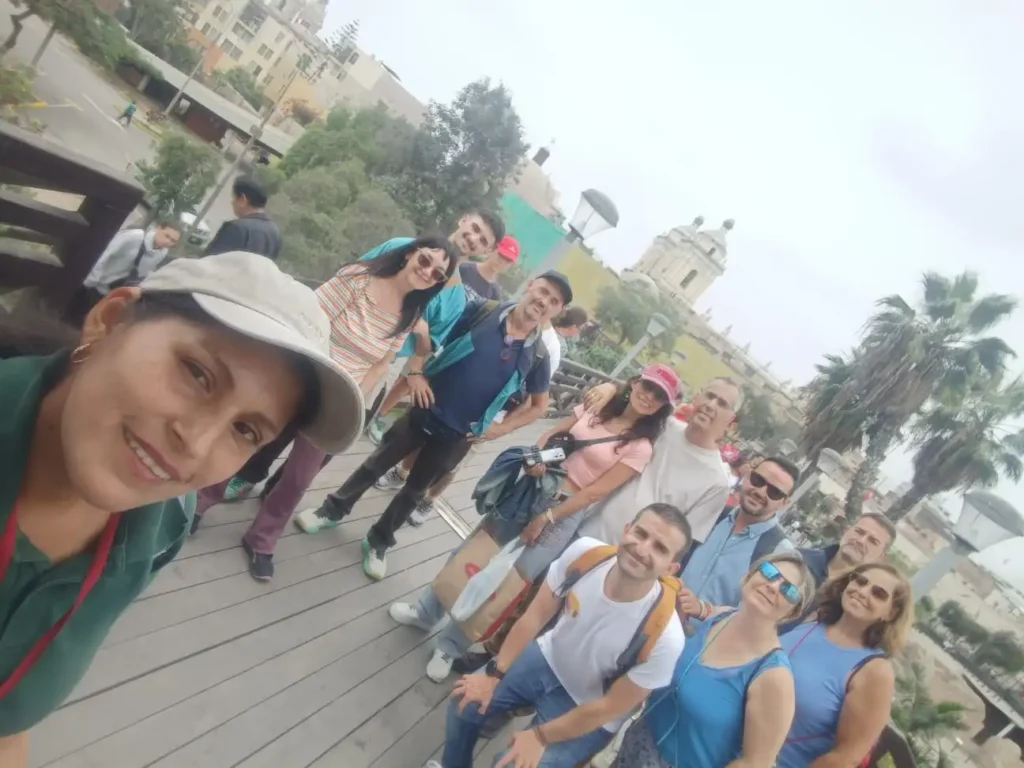
Recommended average tip: Most travelers usually leave between S/ 30 and S/ 40 ($9 to $10 USD) per person, which is still much cheaper than a traditional tour.
Which Cities in Peru Offer Free Tours?
You can book your place directly and at no cost in advance in the country’s main tourist cities:
- Free Walking Tours in Lima: The Peruvian capital is home to centuries of colonial history, urban art, and impressive cuisine. You do not need to overpay to discover it; you can join our walking routes and visit Lima’s Historic Center: explore the Plaza Mayor, catacombs, and colonial churches, and learn about Inca and Spanish history. 👉 Book your Free Tour in Lima here.
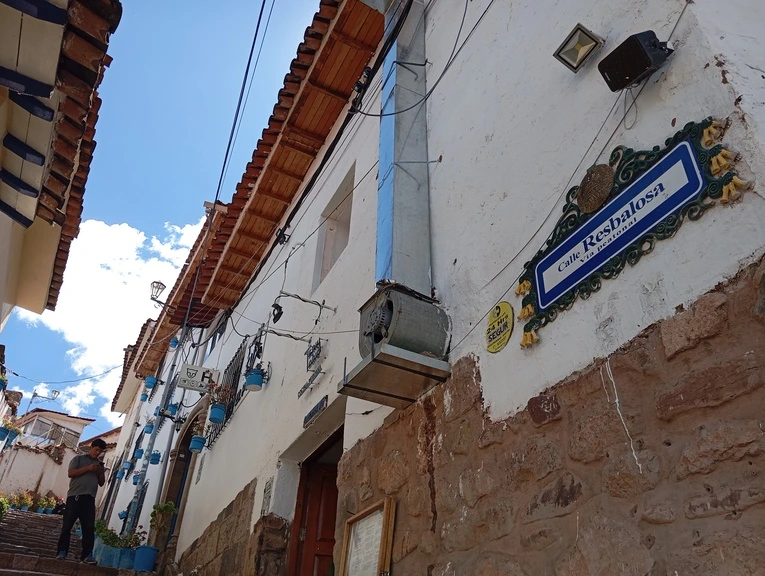
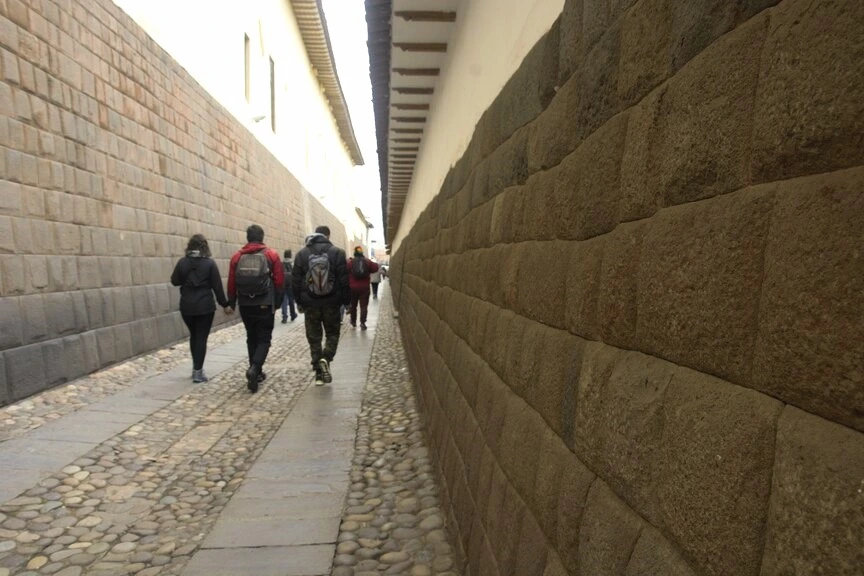
- Free Walking Tours in Cusco: The mythical capital of the Inca Empire can be expensive if you do not know where to start. Taking a walking tour on your first day will help you get your bearings, acclimate to the altitude, and receive tips from locals. Visit the Historic Center: discover the enigmatic Inca stone streets, the 12-Angle Stone, the Plaza de Armas, Inca palaces, and more. 👉 Book your Free Tour in Cusco here.
- Free Walking Tours in Arequipa: Known as the “White City” for its architecture made from volcanic sillar stone, Arequipa is perfect for exploring on foot. Visit the Historic Center: explore its colonial mansions, temples, and more. 👉 Book your Free Tour in Arequipa here.
- Other destinations for free tours in Peru: Barranco, Miraflores, the Magic Water Circuit, culinary free tours in Lima, and more.
💡 Local money-saving tip: We recommend taking a Free Walking Tour on your first day in each city. In addition to learning about the main historical highlights, our local guides will give you practical recommendations on where to eat cheaply, which markets to visit, and how to avoid tourist scams during the rest of your stay.
7. Final Tips for Saving Money on Your Trip to Peru
To wrap up this guide, here is a list of practical and lesser-known tips that will help you avoid unnecessary charges and make the most of every sol in your wallet:
- Withdraw cash from MultiRed ATMs without a local fee: Banco de la Nación (MultiRed ATMs) is the only bank in Peru that does not charge a local withdrawal fee for foreign Visa or Mastercard cards, unlike most private banks (such as BCP, BBVA, Interbank, or Scotiabank), which charge between S/ 15 and S/ 35 ($4 to $9 USD) per withdrawal.
- Use a debit or credit card with no foreign exchange fees: When you pay directly with a card from your home country, many banks charge high fees. Use travel cards such as Revolut, Wise, or N26 (or local cards with no international transaction fees), and always pay in Peruvian soles (S/) on the POS terminal, never in your home currency.
- Get a local SIM card for internet access: Avoid activating international roaming. When you arrive, buy a prepaid SIM card from companies such as Claro, Entel, or Movistar. A 15- or 30-day data package will cost between S/ 40 and S/ 70 ($12 to $18 USD), giving you unlimited internet access for maps and transportation apps.
- Use a water filter or insulated bottle: Tap water in Peru is not safe to drink. Instead of buying plastic bottles every day (which can cost around S/ 5 to S/ 10 / $1.30 to $2.60 USD per day), bring a reusable bottle with a filter or boil water in your hostel’s kitchen before heading out.
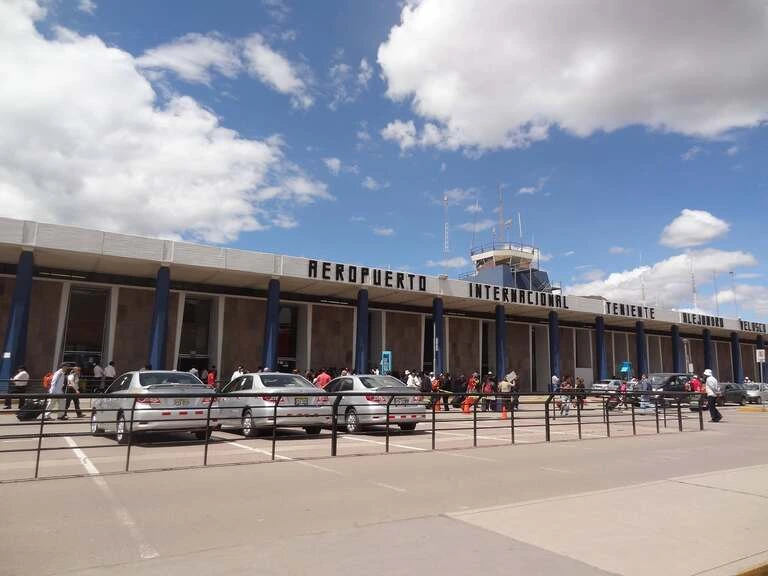
- Avoid exchanging money at airports: Exchange rates at the international airports in Lima or Cusco are usually very unfavorable. Only exchange the minimum amount you need for your first trip into the city, then exchange your dollars or euros at official currency exchange offices in the city center, where you will usually get a much better rate.
- Use transportation apps within cities: In Lima, Arequipa, and Cusco, hailing taxis on the street can be more expensive if you are a tourist. Use apps such as InDrive or Uber to get a fair price and avoid unnecessary bargaining.