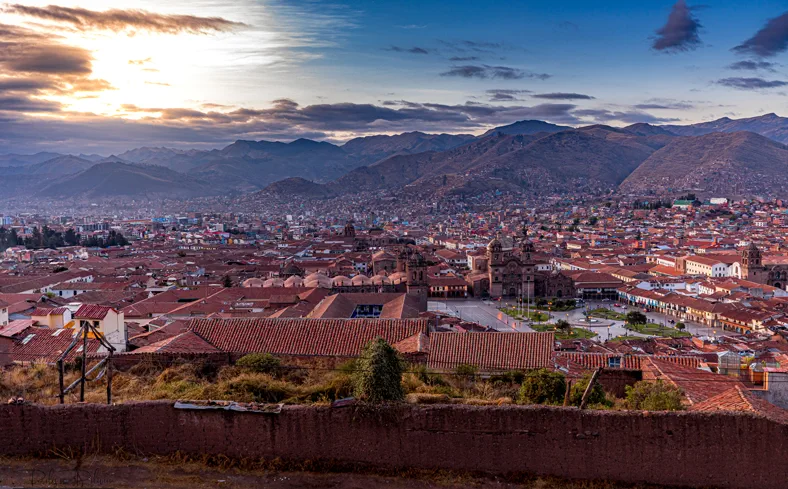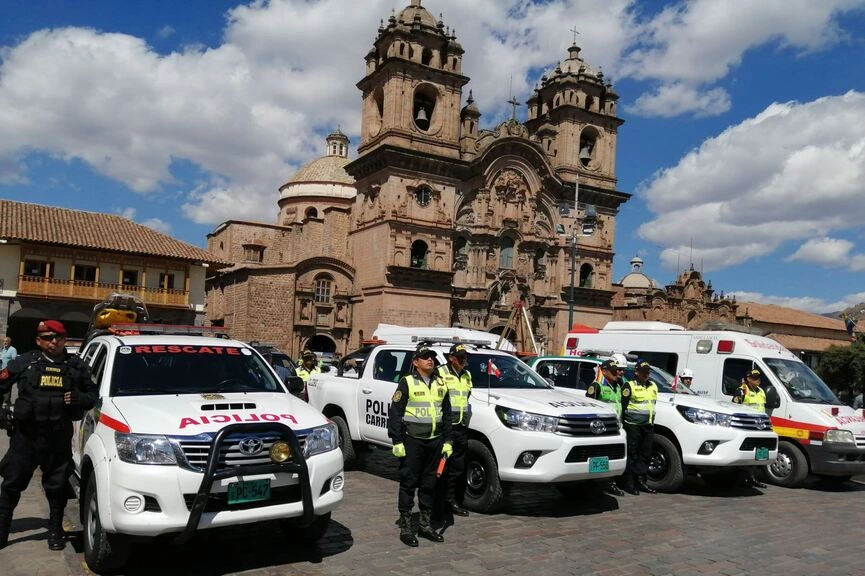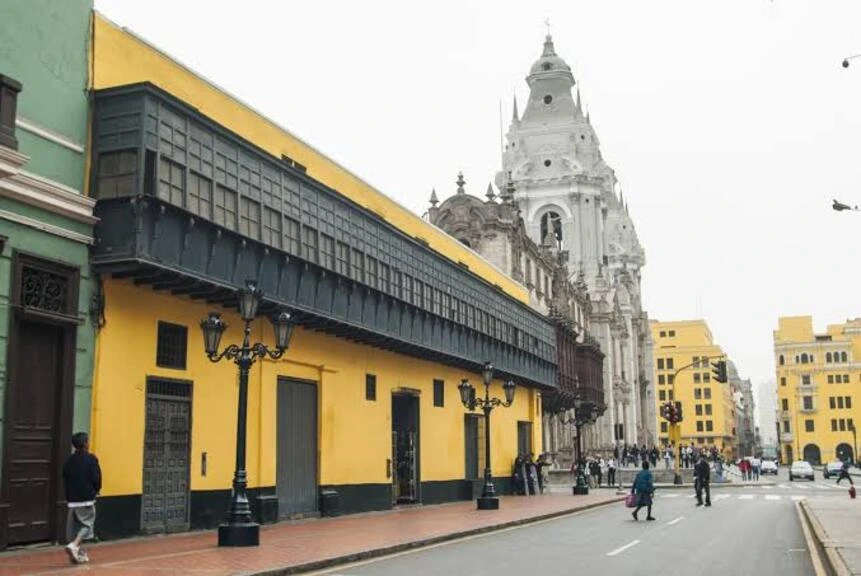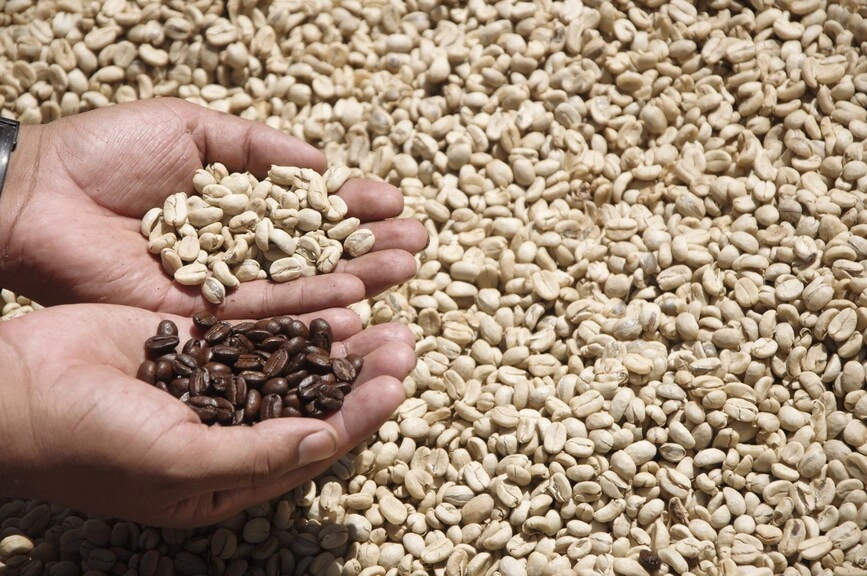
The city is not stuck in the past. It changes, reinvents itself, and embraces new tourism and culinary trends gastronomic trends. This innovative spirit, rooted in its historical heritage, has given rise to the vibrant and charming cafés in Cusco, where baristas use the finest coffee beans harvested in the region’s high jungle and inter-Andean valleys to surprise you with a wide variety of drinks.
Coffee, really good coffee, both on farms and in the specialty coffee shops of historic and imperial Cusco. It’s one more reason to walk through the streets of the old town or along the steep roads of the San Blas neighborhood, looking for a pleasant and welcoming place where you can relax, chat, and laugh while enjoying an exquisite espresso or Americano, or perhaps a memorable cappuccino.
In recent years, Peruvian coffee has gained a strong reputation in international markets for its quality. The success of local producers has led many travelers visiting the country to want to try, taste, and enjoy its different varieties and brewing methods. If you’re one of them, you’ll find more than one peaceful and relaxing place in Cusco to satisfy your curiosity about coffee.
Cusco is one of Peru’s most important coffee-growing regions “thanks to its diverse geography, high altitudes, and tropical climate…” These conditions account for “its excellent quality and unique flavor profiles,” as explained in the Cusco Region Coffee Directory. Today, La Convención Province produces the largest quantity of the region’s fragrant and highly prized red coffee beans.
Now that you know that there is more than one specialty coffee shop in Peru’s “Historic Capital,” you’re probably wondering: Where can you get a good cup of coffee in Cusco? Don’t worry. We’ll give you the key information and specific recommendations. But before you keep reading, why not make yourself a little cup of coffee? And remember, if it’s Peruvian and from Cusco, it’ll taste even better.
Where Cusco Coffee Is Grown
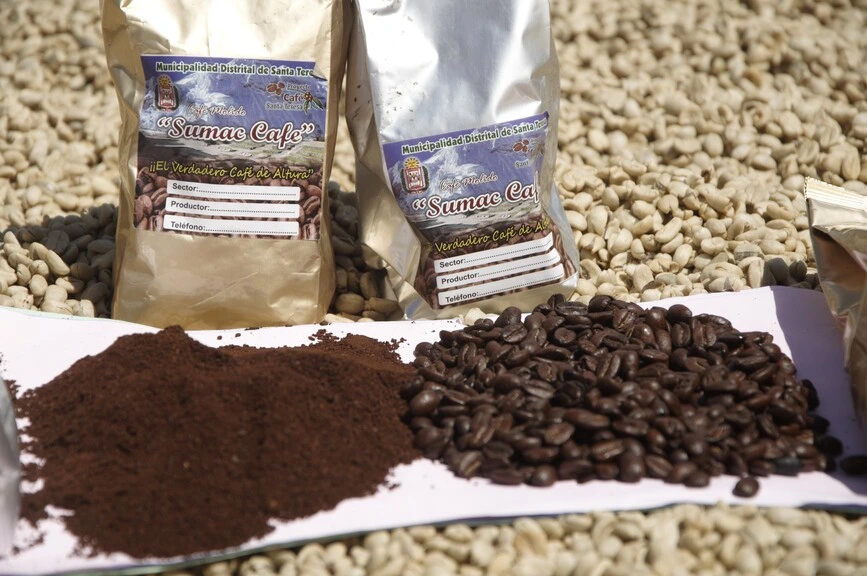
The Cusco region, or department, is not just mountains and mountain ranges. It also includes the upper reaches of the Amazon rainforest. Coffee is grown in these areas, located between 1,200 and 1,800 m above sea level, mainly on “family-owned farms located in the mountainous areas of the Andean Amazon. Soil conditions,” the Directory adds, “along with climate and altitude, allow beans with intense aromas and balanced flavors to develop.”
High-altitude coffee. Coffee that ripens slowly, developing complex flavors and improving its quality in the cup. Arabica coffee varieties such as Typica, Bourbon, Caturra, Catimor, and Geisha are beginning to conquer the world. Coffee that is the result of the hard work of farmers in Quillabamba, Santa Teresa, Huayopata, Maranura, Quellouno, and Inkawasi (La Convención Province), the region’s emblematic coffee-growing area.
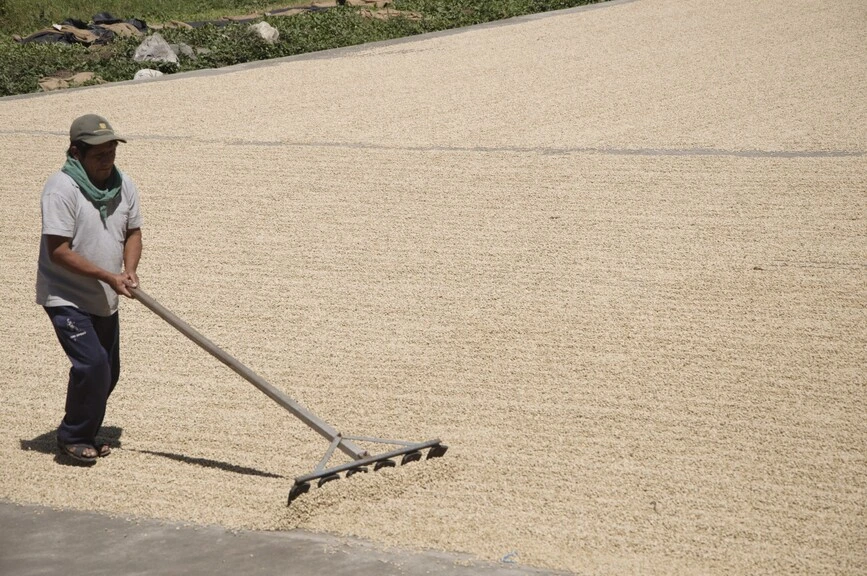
But it’s not the only one. The previously mentioned Directory also notes the existence of “new coffee-growing initiatives” in the provinces of Calca and Paucartambo, which “are strengthening production.” More beans, more aromas, and more cups of coffee prepared in the regional capital, where cafés offer much more than a good drink. They offer style and sophistication in peaceful, inspiring spaces in the “navel of the world.”
Today, enjoying the best coffee from Cusco while exploring the Inca and colonial heritage of the “Imperial City” is part of the destination’s tourism and culinary experience, making it one of the country’s top attractions. It doesn’t matter if you’re not a specialist or an expert at identifying flavor profiles. Perhaps this is the perfect time to take your first steps into the world of coffee culture.
If you’re an expert, you’ll recognize that coffee from Quillabamba (grown between 1,200 and 1,600 m above sea level) is balanced and has notes of chocolate and nuts, while coffee from Inkawasi (1,600 to 2,000 m above sea level) has floral and red berry notes. If you’re a beginner, you’ll learn that flavor profiles, also known as “sensory profiles,” are the characteristics that define a coffee bean’s “personality” and unique qualities.
Where to Get a Good Cup of Coffee in Cusco
These aren’t all the cafés in the city, but if you visit one or more of the places on our list, we can assure you that your taste buds will be delighted.
° Three Monkeys Coffee Cusco Company
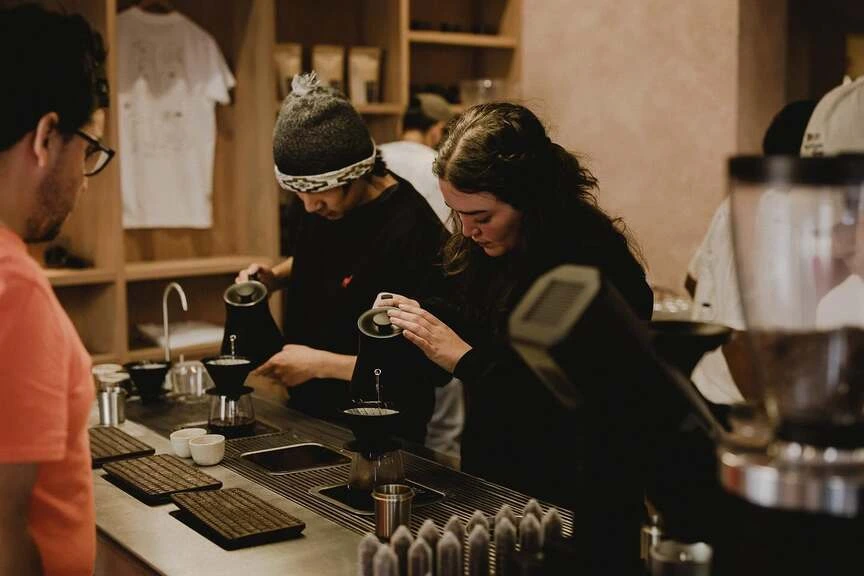
Tradition, innovation, and strict quality control are the key factors that make this café a benchmark beyond Cusco’s borders. Its innovative approach, production techniques, pour-over coffee bar, and contemporary, functional design are some of its standout features. Pair your coffee with delicious gourmet dishes.
Address: Pampa de la Alianza Passage 474, Historic Center
Hours: Monday to Sunday, from 08:00 to 21:30
° Florencia y Fortunata Specialty Coffee
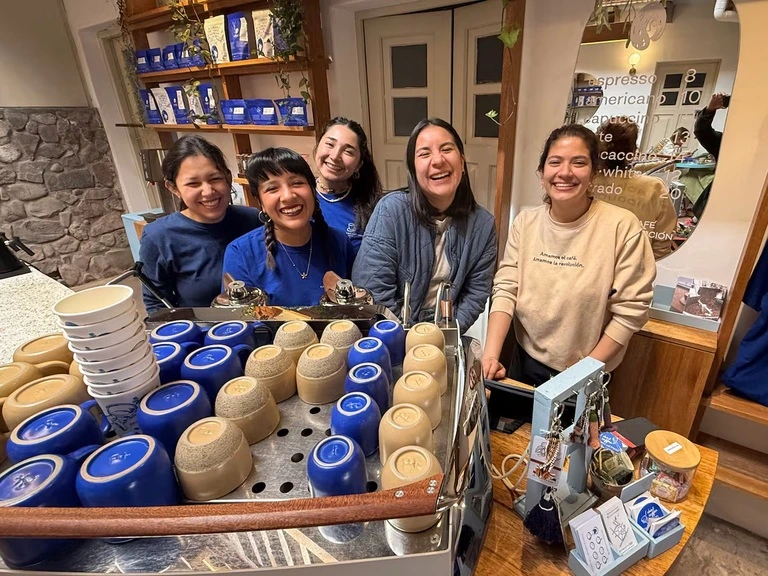
“We make coffee, but we also create spaces for women who grow, roast, and transform this industry” is the motto of this café, where coffee roasting is a way to highlight the work of women coffee growers in Cusco. We recommend trying the Geisha variety, and if you enjoy espresso, be sure to order one. It’s fantastic.
Address: 332 Suecia Street, Historic Center
Hours: Monday to Sunday, from 08:00 to 20:30
° Brew Brothers Specialty Coffee
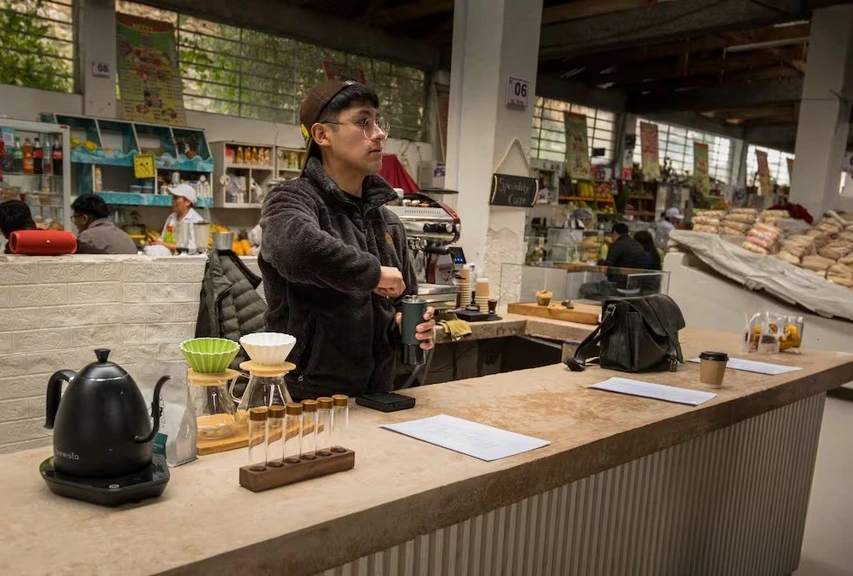
If you’d like to enjoy a coffee in the colorful surroundings of the market in the San Blas neighborhood, be sure to visit this café, described as the “first specialty coffee shop in Cusco located inside a traditional market.” Its exceptionally high-quality beans and refined brewing techniques make it a one-of-a-kind place.
Address: San Blas Market (Chihuampata Street), Historic Center
Hours: Monday to Sunday, from 07:30 to 16:00
° Proceso Specialty Coffee
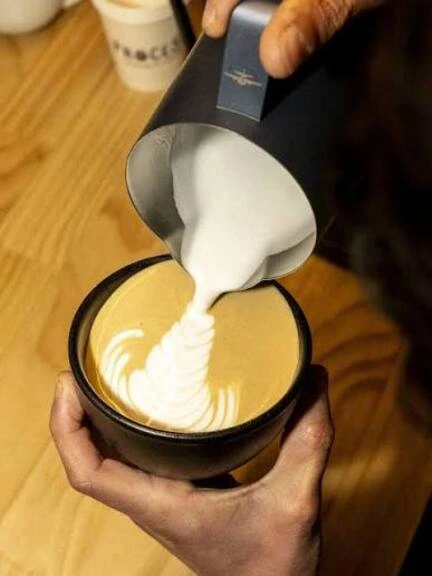
This is another cozy spot in San Blas. Thanks to its excellent location, it’s the perfect place to enjoy a cappuccino with latte art, an espresso made with specialty coffee beans, or an orange cold brew—one of the café’s specialties— after visiting the workshops and galleries of the neighborhood’s renowned artisans. Anyone who tries its drinks is sure to be impressed.
Address: 352 San Blas Square, Historic Center
Hours: Monday to Saturday, from 07:30 to 19:30. Sunday, from 08:00 to 19:00.
° Experience Arte y Café
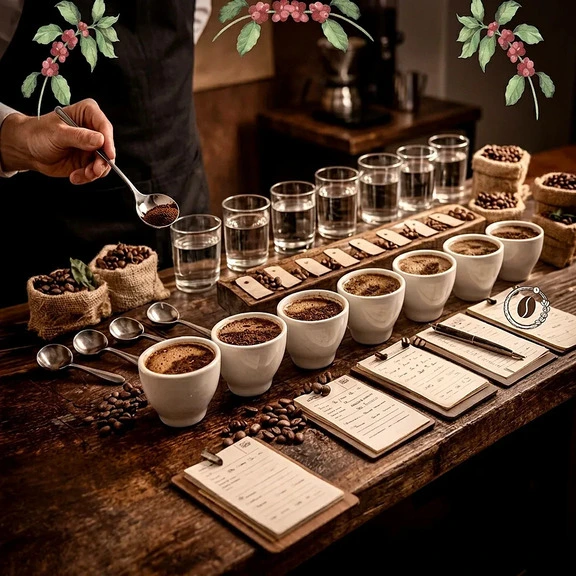
Locally sourced coffee, ancestral art, and hospitality that will make you feel at home are the foundations of this place, where a passion for specialty coffee beans meets the work of Cusco artists. Together, these elements create a unique atmosphere in the historic heart of the “Imperial City.”
Address: 157 Portal de Comercio, Plaza de Armas of Cusco
Hours: Monday to Sunday, from 08:00 to 20:00
° Xapiri Ground
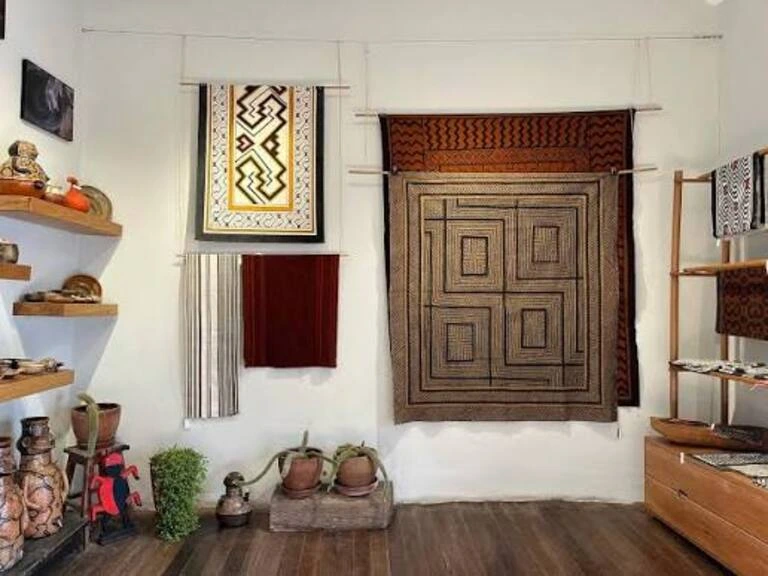
Much more than a coffee shop. Xapiri is a gathering place for the diverse expressions of Amazonian culture. Here, surrounded by art and the voices of the forest, coffee becomes a reason—or an excuse—to talk, connect, reflect, and get closer to the rainforest from Cusco’s Historic Center. It’s an experience worth having.
Address: 630 San Blas Square
Hours: Monday to Sunday, from 09:00 to 20:00
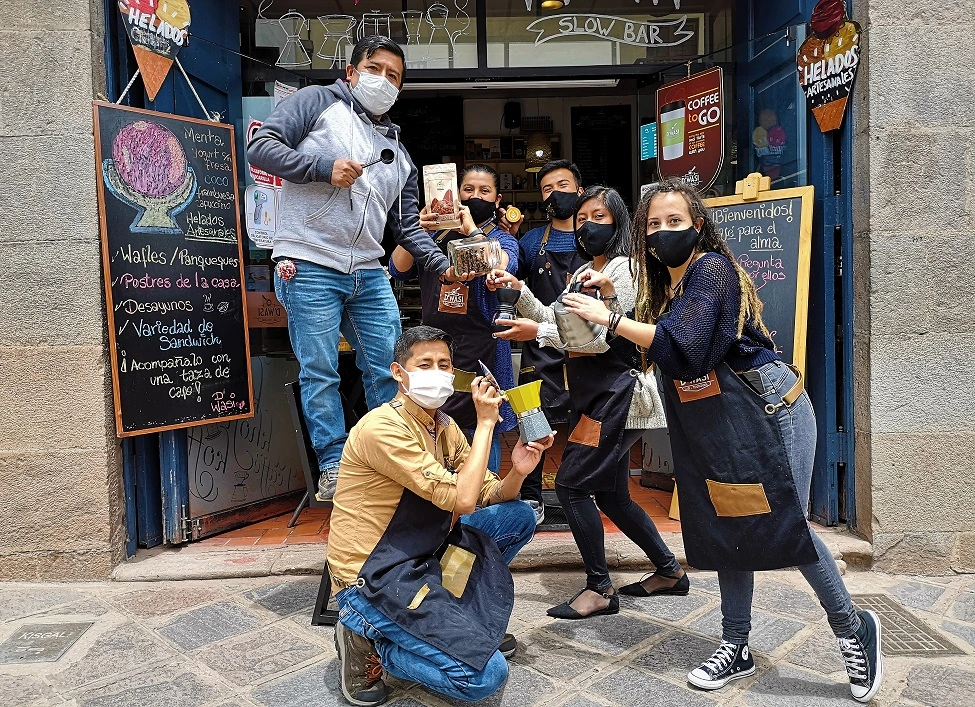
° Café D’Wasi Peruvian Coffee
The first location of this specialty coffee shop opened in 2015, making it one of the pioneers in Cusco. It was founded by Jhon Carrasco Cárdenas to promote the consumption of coffee beans from his family farm (wasi means “house” in Quechua) in Santa Teresa. Today, it has three locations, all known for their traditional brewing methods.
Address: 135 Heladeros Street (first location), Historic Center
Hours: Monday to Sunday, from 07:00 to 23:00
In the squares and streets of Cusco, you’ll always find something new and interesting to do, such as enjoying a specialty coffee made with beans harvested in the upper reaches of the Amazon and the inter-Andean valleys. Dare to try the different preparations, and you’ll experience a true celebration of flavors in spaces specially designed for the enjoyment of all your senses.