Photo: Infobae
A good lunch or an exquisite dinner is the perfect complement to an exciting and fun day of sightseeing; but, on occasions, the gastronomy is so delicious that it becomes an attraction in itself that motivates visiting a destination. For that reason, it is understandable that many travelers, when planning their visit to Peru, look for information about the national cuisine and even ask themselves: where to eat in Cusco?
The good news is that our gastronomy is one of the best on the planet, so much so that many foreigners visit us with the goal of trying the classics, the innovative recipes, and the fusions created in restaurants. Across Peru, great flavor is guaranteed, including, of course, in the legendary Inca capital, where the food will impress you as much as its archaeological sites.
Cusco will surprise you with its variety of options ranging from Andean to international, from traditional to innovative, and from sophisticated to popular. Something of everything and for all tastes and budgets. This multiplicity of choices is another characteristic of the “Imperial City,” where you will live a delicious experience in the best restaurants and also in the city’s markets.
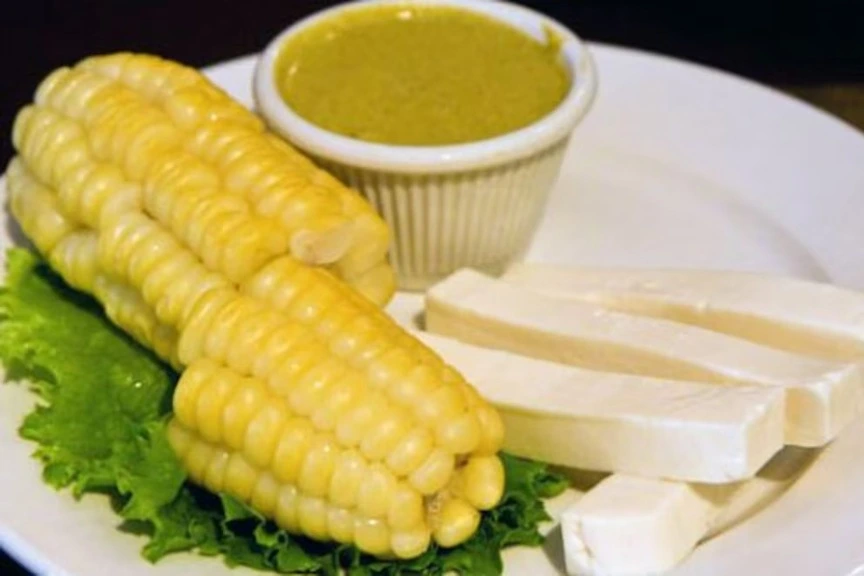
Photo: Infobae
Get ready to explore and discover the best of Peruvian, Cusco, international, and Novoandina food in the splendid restaurants of the Historic Center, in the picanterías filled with traditional flavor, and in the popular markets of San Pedro and San Blas, where breakfasts and lunches are hearty and come with a special ingredient: they are very affordable.
Now that you know that having breakfast, lunch, an afternoon snack, and dinner in the “navel of the world” is a genuine pleasure, note down the following recommendations in your travel plan so you can craft your culinary route through the best restaurants in Cusco, as well as the spots where eating cheap turns into a delicious journey that brings you closer to the popular food of Peru‘s main tourist destination.
The Best of Cusco Cuisine
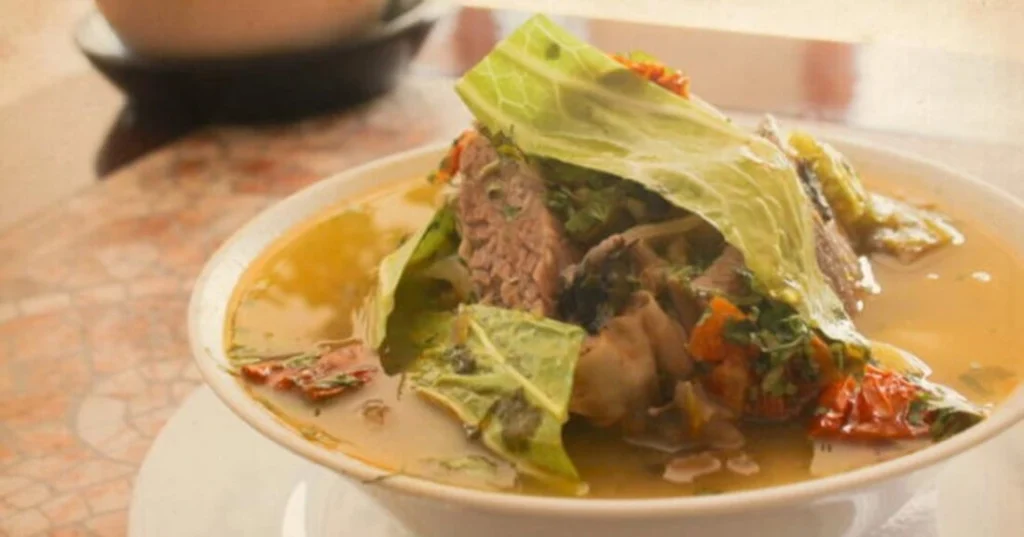
Photo: Infobae
The picanterías are the “temples” of Cusco and Andean cuisine. In these simple or rustic restaurants, grandmothers’ culinary secrets are treasured, and the gastronomic heritage of the city and region is honored. Visit them at lunch time if you want to try traditional dishes with the flavor, seasoning, and heartiness that attract and satisfy local diners. Go for it! Your palate will thank you.
On the menus or chalkboards of the picanterías, you will find the best of local and regional food, from delicious choclo (corn) with cheese from the Sacred Valley and salted cancha (toasted corn) to pork adobo and baked cuy or guinea pig. As for drinks, frutillada, a chicha de jora with strawberry juice, is the most popular. If you want to raise a toast, order a craft beer or the well-known Cusqueña.
If you feel cold, warm your body with a quinoa soup, the Peruvian superfood that is part of astronauts’ diets. Other options are chairo, which contains lamb and chuño (potatoes dehydrated through an ancestral process), and timpu, from the Quechua word timpuq (to boil or parboil), a powerful broth made of trout, root vegetables, and other ingredients.
What else to order?… below are our recommendations:
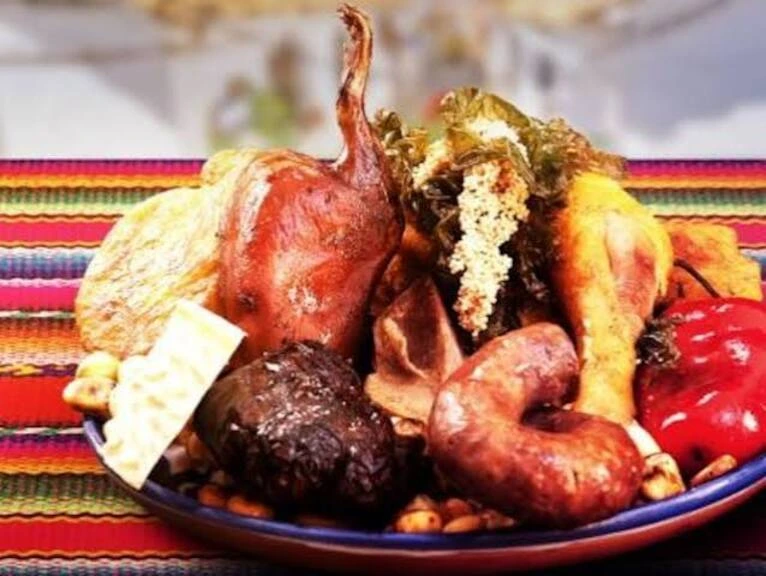
° His Majesty the cuy: also known as guinea pig, it has been consumed in the Andes since time immemorial. Its meat, low in calories and very nutritious, is prepared in different ways, with baked being the most traditional way to cook it. It is served with mote (boiled corn) and potatoes. Also with baked noodles and Cusco-style rocoto relleno.
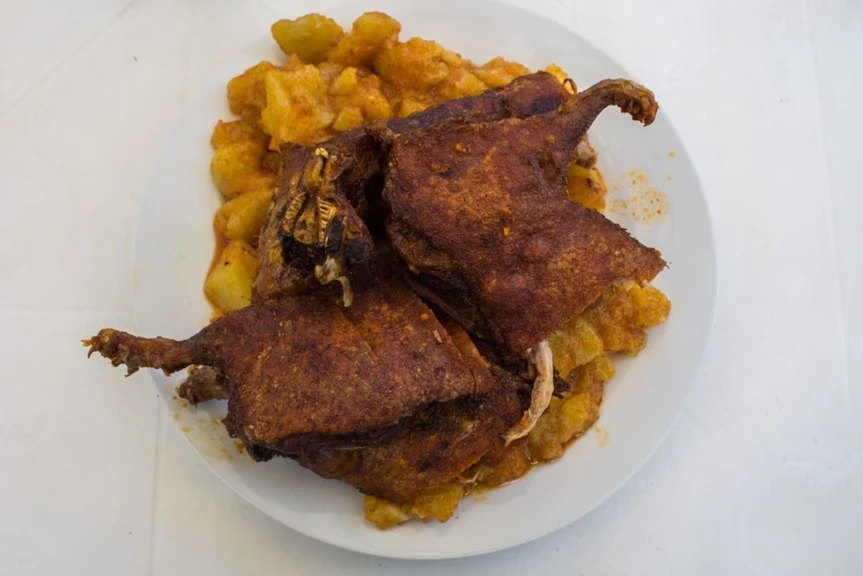
Photo: Infobae
° The delicious khuchi: that is the name for pork in Quechua, one of the favorite meats in Cusco. Chicharrones, pieces of khuchi fried in their own fat served with mote and a sarsa criolla (onion, lime, and chili pepper); adobo, a type of broth with pork marinated in chicha de jora that is ideal for recovering from festive nights; and baked lechón, seasoned with chicha de jora, garlic, and chili peppers, are some of the dishes awaiting you in the “Imperial City.”
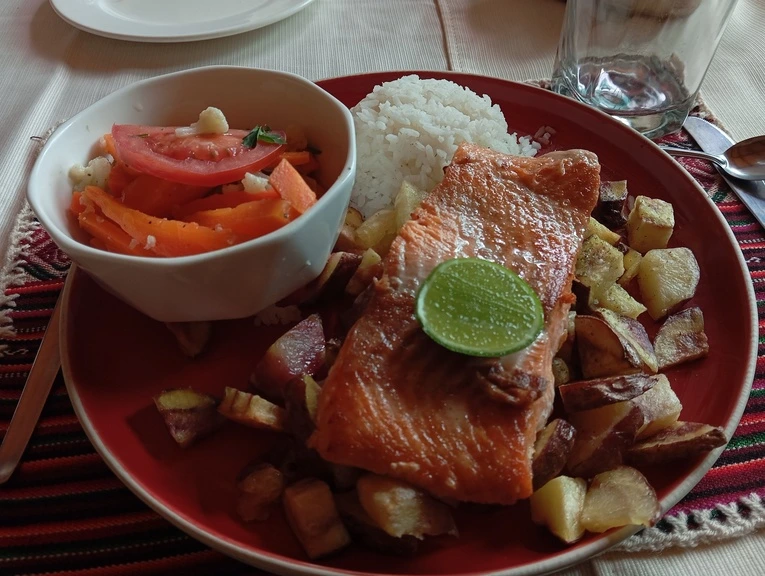
° From the river to the table: although trout is not an Andean species, it has adapted to the altitude, becoming the star of several traditional dishes, such as trout ceviche, where the meat is cooked solely with lime juice; and the always exquisite Cusco-style trucha frita which, before being taken to the frying pan, is marinated with huacatay (an aromatic local herb) and seasoned with garlic, pepper, and lime. It is served with potatoes and choclo.
° A spectacular combination: that is what chiri uchu (cold chili pepper or cold spicy food in English) represents, a dish prepared especially for the Corpus Christi celebration. It contains cuy meat, chicken, charqui (dried llama meat), chalona, and fish roe; it also includes corn torreja, Andean cheese, and cochayuyo (dried seaweed), among other ingredients from the coast, highlands, and jungle.
° Other imperial delicacies: on the menus you will find dishes such as lengua de res atomatada, costillar, malaya dorada, pepián de cuy, capchi (a type of cream that contains no meat), among other delicacies such as lomo saltado which, although not of Andean origin, is one of the flagship dishes of Peruvian food.
Cusco: Emblematic Picanterías
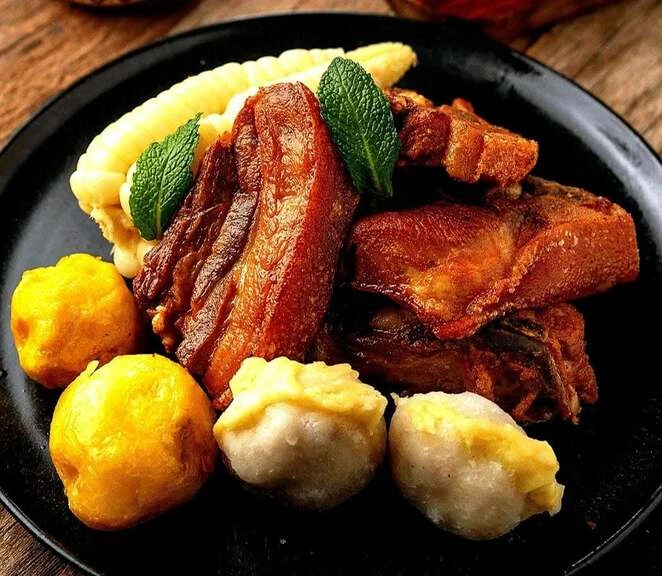
Foto: La Nueva Chomba
° La Cusqueñita at 800 Centenario Avenue, ideal for tourists.
° La Chomba at 339 Tullumayo Avenue, backed by its years of history.
° Quinta Waly at 506 Alta Avenue, delighting palates since 1976.
° Las Manuelitas at 433 Atahualpa Street, preparing the best of Cusco cuisine since 1930.
Costs: main dishes range between 30 and 60 soles (between 8 and 17 dollars) and chichas or frutilladas between 5 and 10 soles per glass (between 1.5 and 3 dollars).
Great Flavor and Affordability
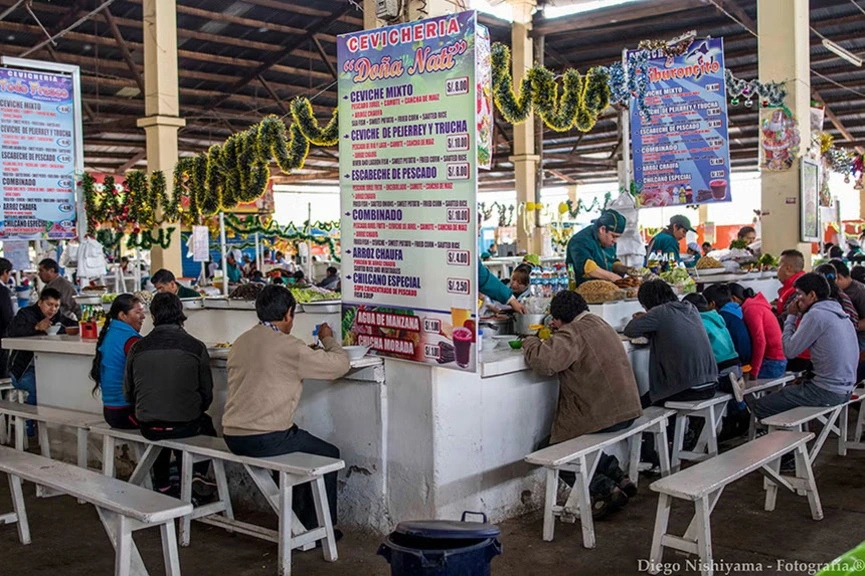
Photo: Diego Nishiyama, RPP Noticias capture
If you want to step away from tourist restaurants and menus, have breakfast or lunch at the San Pedro and San Blas markets in the Historic Center, where you will enjoy—without luxuries or gourmet refinements—the flavors and aromas of popular food. In both places, you will be surprised by the generosity of the portions and the colorful appeal of the combinados, a mix of several dishes served on a single plate.
The San Pedro central market, in the neighborhood of the same name, is the main market in the “navel of the world.” Its commercial selection includes a large section of stalls preparing budget-friendly breakfasts and set menus. The same goes for the San Blas market, located in the city’s artisan neighborhood. After appreciating the works of the Cusco masters, treat yourself to tasting the flavor of its cooks.
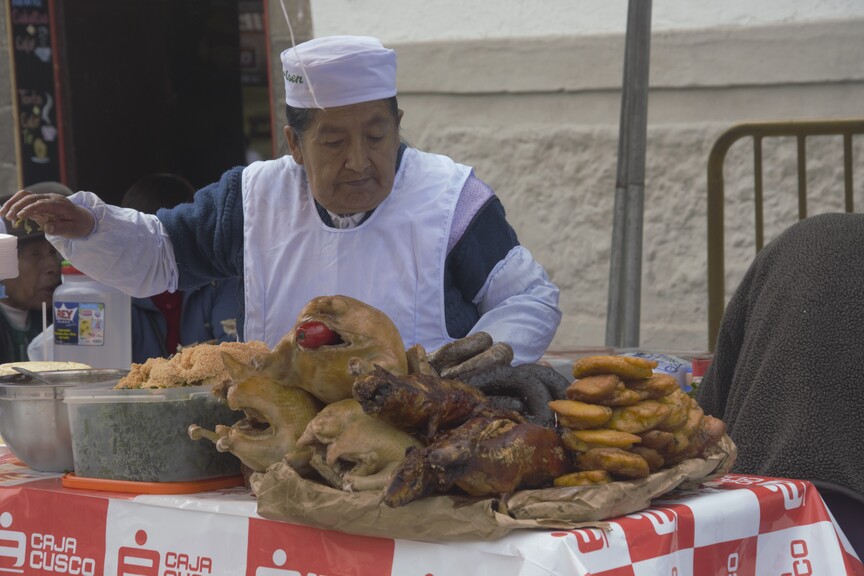
At breakfast time, you will find fruit juices, chicken, lamb, or head broths, tamales, and sanguches with nata, chicharrón, and baked lechón. How much will you spend? From 5 to 8 soles if you opt for something simple (bread and a hot herbal drink, emoliente, or quinoa); from 10 to 15 soles if you order a special juice and a pan con chicharrón; from 20 to 30 soles if you choose a coffee, a broth, a pan con chicharrón, or a tamal.
At lunch, daily set menus are served (soup, main course, and drink). The options are displayed on the stalls’ chalkboards. The most popular dishes are quinoa, vegetable, and house soups, while lomo saltado, arroz con pollo, chicken or beef seco, red noodles, among others, are the main courses awaiting you in Cusco’s markets. Cost: between 8 and 15 soles (from 2.5 to 4 dollars).
Coffee Shops and Something More
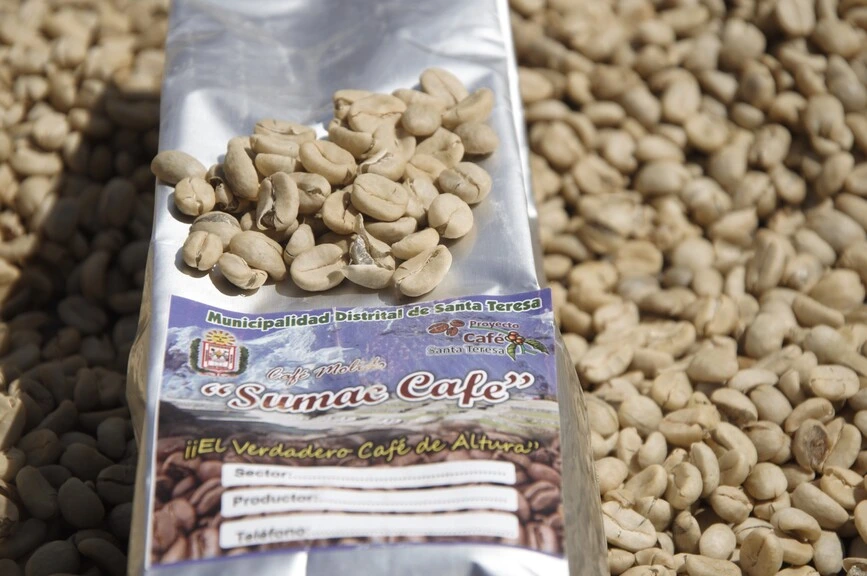
The specialty and high-altitude coffees produced in Peru are conquering the world due to their flavor profiles, acidity, and organic origin. In the Cusco jungle, especially in the province of La Convención, quality beans are grown and harvested. These “nourish” the vibrant and pleasant coffee shops throughout the city, many of which operate in ancient historic mansions.
Ideal for conversing, resting, and having a good time after a busy day of sightseeing, in the coffee shops of the “Imperial City” you can pair a good cup with desserts, sanguches, and artisanal breads. If you want to visit a traditional coffee shop, stop by Ayllu. Other options are Organika Bakery & Coffee, Three Monkeys Coffee Cusco, or L’atelier Café Concept.
Great picanterías and restaurants, markets with excellent breakfasts and set menus, and coffee shops with the best Cusco beans. What is missing? Vegetarian and vegan food? If that concerns you, rest assured: in the streets of the historic center, especially those in the neighborhood of San Blas, you will find culinary options where grains, vegetables, fruits, and seeds are the main ingredients.
Vegan and vegetarian food in Cusco is based on ancestral foods such as quinoa, kiwicha, native potatoes, corn, maca, and local fruits like aguaymanto. The originality of the chefs allows them to recreate classics of Peruvian cuisine. Try the lomo saltado with soy meat, quinoa chupe, vegetable-stuffed papa rellena, and ceviche made with mushrooms instead of fish.
Tips for Eating
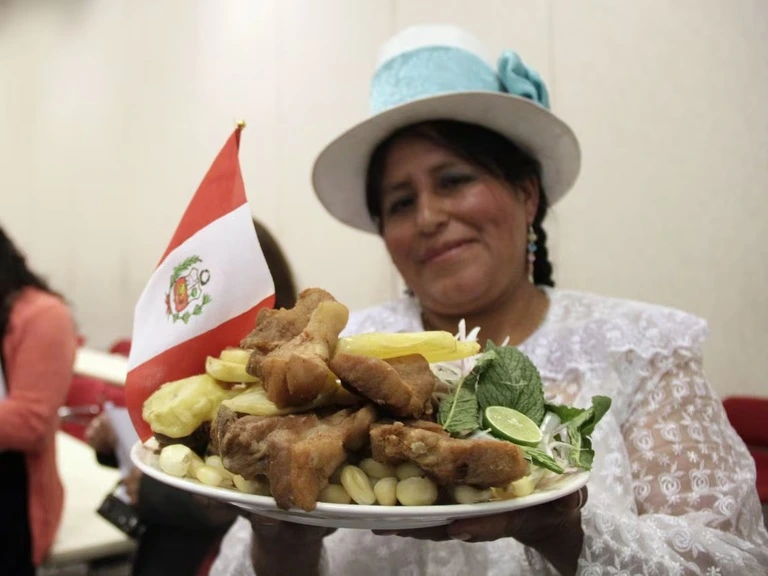
Photo: diario Correo
° Be cautious: in Cusco you have to eat light during the first 24 hours or until you have acclimatized to the altitude.
° Slow digestion: the altitude slows down digestion; if you do not want to feel heavy upon arriving in the city, consume broths and low-fat meals.
° Ideal choice: alpaca meat is an excellent alternative for lunch and dinner. The reason: it has very little fat.
° Herbal teas: coca tea and muña tea are perfect beverages to counteract the effects of altitude.
° Take a chance: the adventure of traveling also consists of trying new flavors. In Cusco, experiment with dishes and meals unknown to your palate.
° International options: if you prefer cosmopolitan cuisine, in the Historic Center you will find Italian, Oriental, and Mexican food, among other options, including fusions and innovative trends.