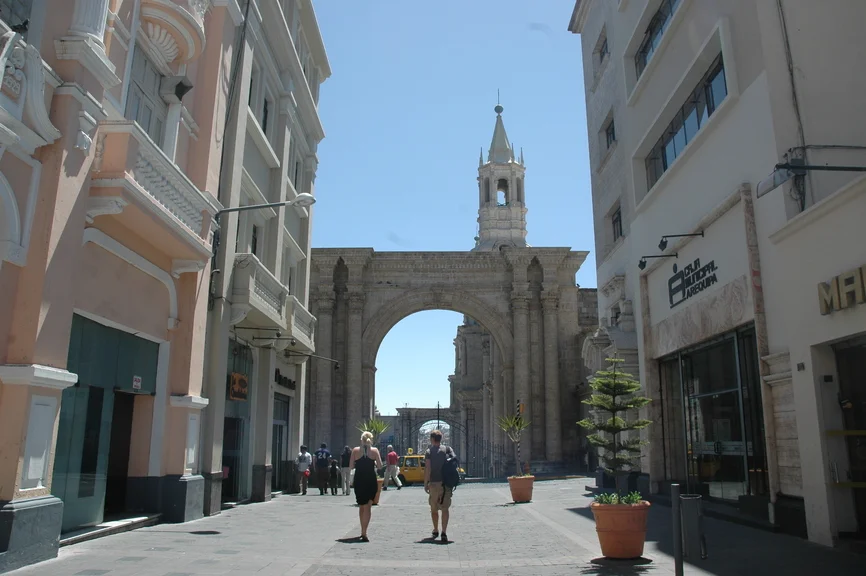

Arequipa is one of the most beautiful cities in Peru. Its Historic Centre, declared a UNESCO World Heritage Site, will captivate you with its convents, churches, and monumental mansions built from blocks of sillar. The use of this volcanic stone gives its colonial and republican buildings a distinctive character that sets them apart from those found in other cities across the country. This uniqueness is part of its charm.
Founded on 15 August 1540 by Garcí Manuel de Carbajal, the city’s name is believed by some to derive from the Quechua expression ari qepay, meaning “yes, stay here” in English. According to tradition, this was the response given by the Inca Mayta Cápac when his followers asked whether they could stop their journey in this sunny valley. However, this is not the only explanation. Others believe the name comes from the Aymara words ari (summit) and queppa (behind).
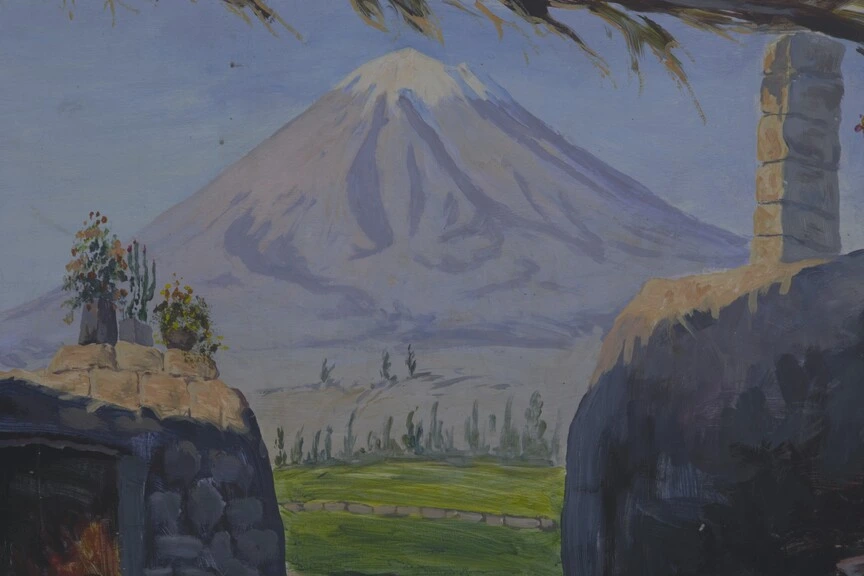
When you visit Arequipa, both interpretations seem to make sense. As you stroll through its squares and streets, you may find yourself wanting to stay one or several days longer. You will also notice that the so-called “White City” lies behind—or in front of, depending on your perspective—three volcanoes: Chachani, Picchu Picchu, and Misti. The latter is the city’s icon, emblem, and source of pride for those born in this land at 2,335 metres above sea level.
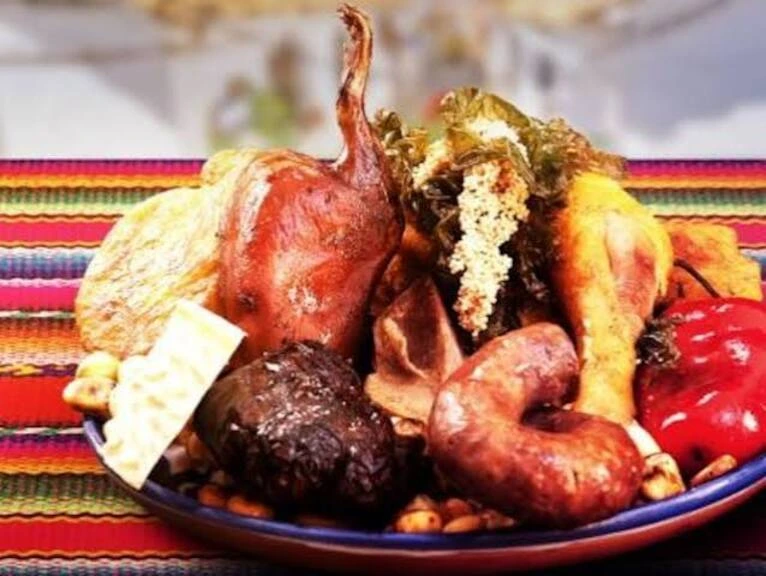
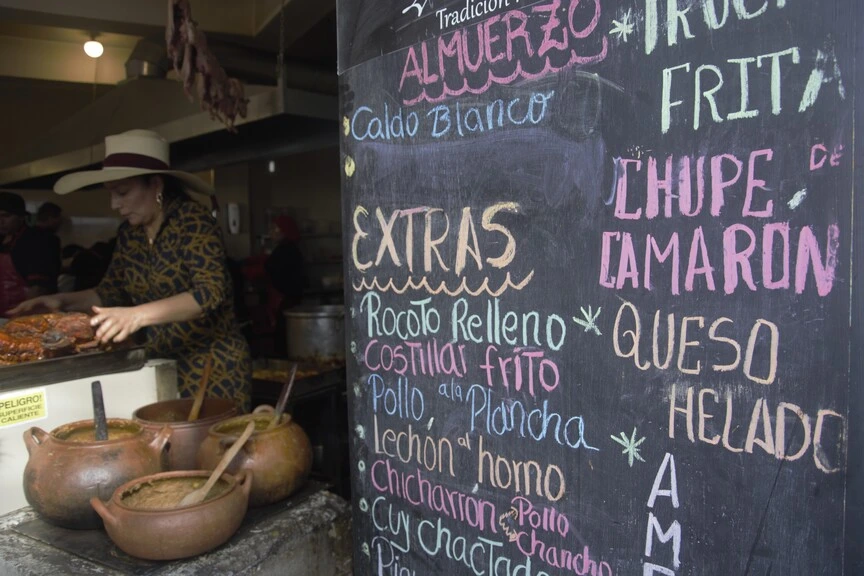
Famous for its exquisite and diverse gastronomy, Arequipa invites you to discover its traditional flavours in the local picanterías, where some of the finest dishes of Arequipeñan cuisine are served. Rocoto relleno, pastel de papa, cuy chactado, ocopa arequipeña, zarza de patas, and adobo de cerdo are just a few of the delicacies awaiting you.
If you are visiting Arequipa and would like to enjoy this culinary experience, gastronomic tours—both private and free—offer an excellent opportunity to discover the city’s food heritage through its most iconic flavours.
After a hearty breakfast or lunch, it is a great idea to explore the streets of the Historic Centre. While every street has something interesting to offer, some are truly special. If you would like to find out which ones they are, join this journey through the urban heart of Arequipa—the “White City” and the volcanic land where, as one of the “Children of the Sun” supposedly decreed centuries ago, one should stop and stay.
A World Heritage Site
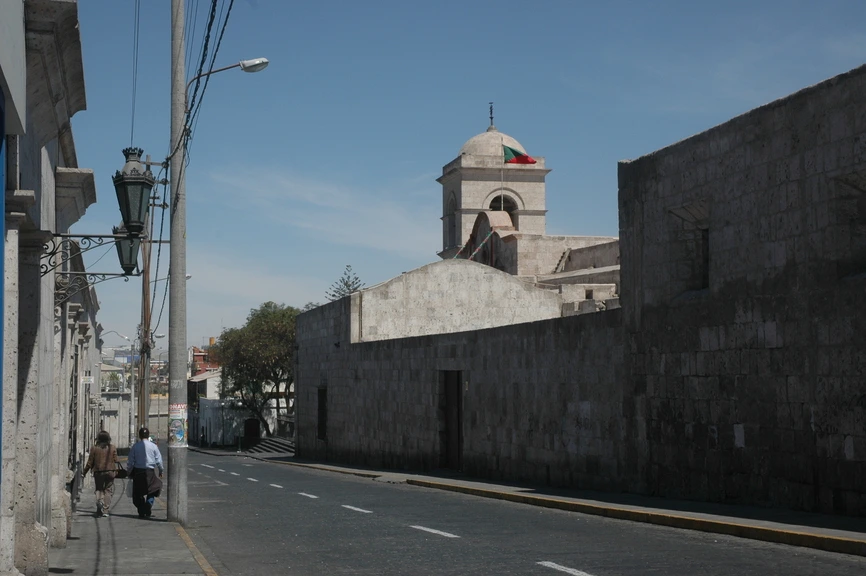
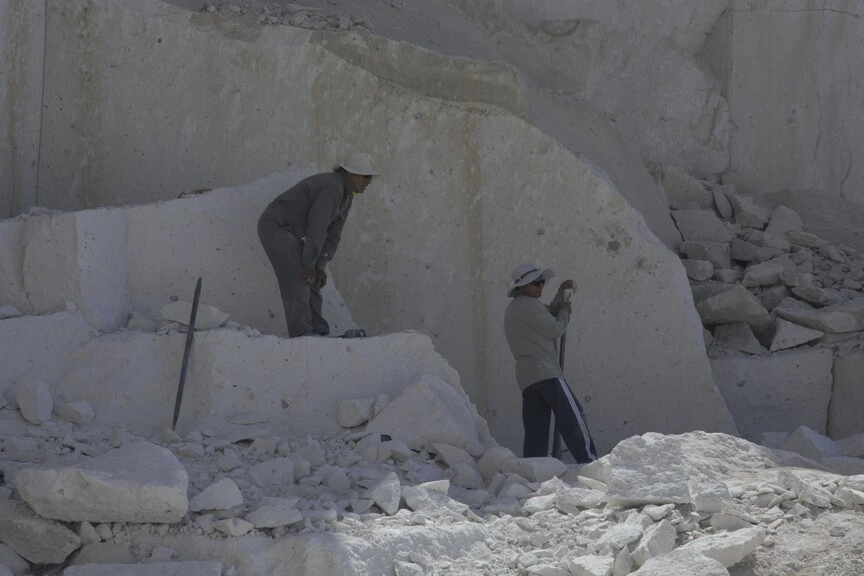
Built from volcanic sillar stone, Arequipa’s Historic Centre represents a remarkable blend of European construction techniques and local building traditions. This fusion is reflected in the outstanding work of colonial master builders, as well as Creole and Indigenous stonemasons. The combination of influences can be seen in the city’s sturdy walls, arches and vaults, courtyards, and open spaces, as well as in the intricate Baroque decoration that adorns many of its façades.
These are just some of the reasons why UNESCO declared the historic and founding centre of Arequipa a World Heritage Site. According to Peru’s Ministry of Foreign Trade and Tourism, the area contains 273 mansions classified as monuments and 433 buildings of heritage interest, most of which were built from sillar during the eighteenth century.
Within this monumental area, several unique landmarks stand out, including Plaza de Armas, surrounded by sillar arcades and dominated by the impressive Cathedral Basilica; the Monastery of Santa Catalina, a dazzling city within a city devoted to faith; the Church of the Society of Jesus, a magnificent example of colonial religious architecture; and the San Lázaro neighbourhood, the oldest and perhaps the most picturesque part of the city, with its narrow streets that resemble a labyrinth.
All of these places are connected by attractive streets where every step brings you closer to the origins and essence of the “White City” — a city with identity, character, and tradition. This is exactly what you will experience as you stroll along Mercaderes Street, Cathedral Passage, Santa Catalina Street, San Francisco Street, Sucre Street, Álvarez Thomas Street, and the charming alleyways of the San Lázaro neighbourhood.
Get ready to walk through the historic and volcanic streets of Arequipa, the city protected by three immense volcanoes.
Mercaderes Street

Its four pedestrianised blocks hold more than three centuries of history. During colonial times, this street was where merchants and traders gathered to offer a wide variety of goods. That commercial spirit remains alive today. Many of its historic mansions have been transformed into shopping arcades, restaurants, cafés, and a wide range of shops.
But do not be mistaken. Mercaderes Street, which begins at Plaza de Armas, is much more than a place for buying and selling. As you stroll along it, you will discover buildings of great architectural interest, such as the Gamesa Gallery building (Mercaderes 212), notable for its beautiful inner courtyard, and the Municipal Theatre (Mercaderes 239), with its striking white sillar façade.
These are not the only noteworthy landmarks. The El Patio del Ekeko Gallery (Mercaderes 141) and Los Tambos Colonial Hotel have preserved much of their architectural charm despite being adapted for commercial use. When you reach the fourth block, look for number 411. This is a nineteenth-century mansion built in the Neoclassical style that has been declared a National Cultural Heritage Site.
Cathedral Passage
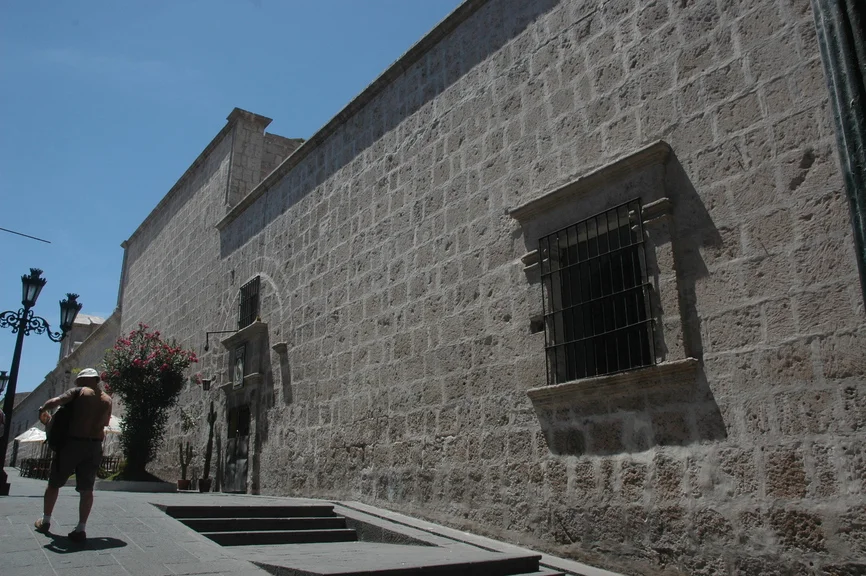
Very close to Mercaderes Street, on the corner of Plaza de Armas and beside the Cathedral Basilica, you will discover a charming passageway full of character and picturesque details. Along its 300-metre length, you will find a wide selection of handicraft shops, restaurants, bars, and other establishments that create a relaxed and bohemian atmosphere, perfectly complementing the gastronomy of Arequipa’s White City.
The passage links Santa Catalina Street with San Francisco Street. When you visit, take a moment to admire the white sillar walls that form the side façade of the Cathedral. Access to the passage is free, and its shops generally open from 09:00 until 22:00.
Santa Catalina Street
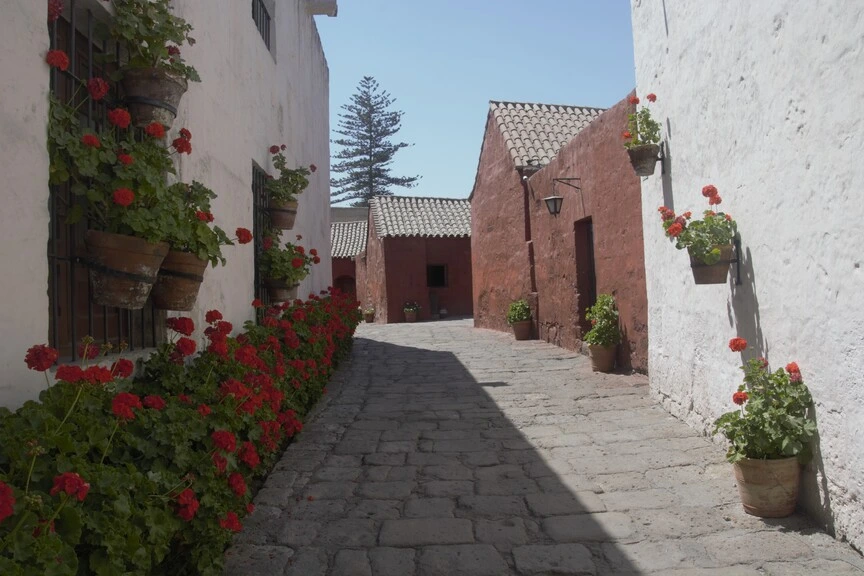
Its main attraction is the Monastery of Saint Catherine of Siena. From Cathedral Passage, you will walk approximately 300 metres to reach this city of faith which, since the sixteenth century, has been home to women who chose to withdraw from worldly life and dedicate themselves to God.
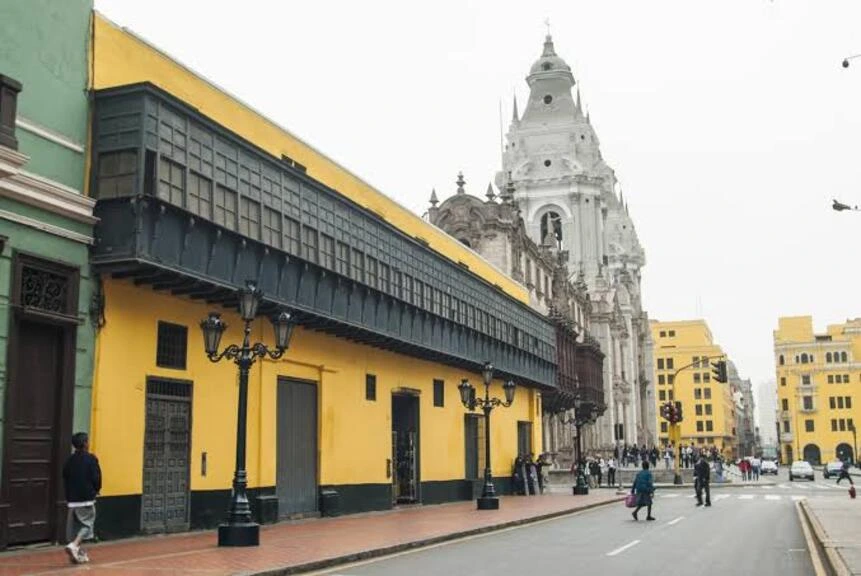
Along the way to the monastery, founded in 1579 through the initiative of the Spanish widow María de Guzmán, you will come across cafés and restaurants where you can enjoy a pleasant break. You will also see historic mansions with wooden balconies. The walk is peaceful and enjoyable, as the first few blocks are pedestrianised.
Make the most of your visit by allowing yourself to get “lost” within the monastery’s 20,000 square metres. Its cloisters (including living quarters, kitchens, and laundries), tranquil courtyards, inspiring art gallery, and narrow internal streets will transport you to another era and offer a fascinating insight into the past and present lives of the cloistered nuns.
San Francisco Street
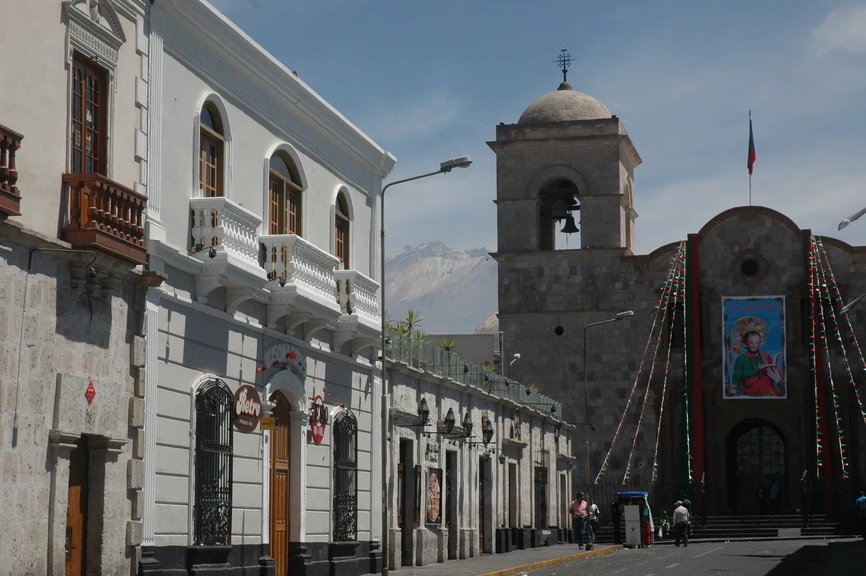
This is one of the liveliest streets in Arequipa’s Historic Centre. Along San Francisco Street, you will find restaurants, bars, pubs, museums, a colonial church, a former estate converted into an artisan gallery, and a mansion that many specialists consider to have the most richly decorated façade in the city.
From Santa Catalina Street, it is only a short walk of around 150 metres to reach San Francisco Street. Once there, head towards the square, church, and convent of the same name, a masterpiece of Mestizo Baroque architecture dating back to the sixteenth century. You should also visit the colonial estate known as El Fierro, an ideal place to purchase some of the finest local handicrafts.
On the first block, stop in front of the Tristán del Pozo Mansion. Built in 1738, its sillar façade is a striking example of the elaborate ornamentation characteristic of Mestizo Baroque architecture. Medallions bearing sacred monograms, a depiction of the cantuta (Peru’s national flower), and decorative gargoyles are just some of the details that will catch your eye.
In 2009, the building’s interior was transformed into the exhibition halls of the Pedro Brescia Cafferata Art Gallery, operated by BBVA. Admission is free. If you are interested in exploring more of Arequipa’s cultural heritage, consider visiting the Religious Art Museum and the Municipal History Museum as well.
Sucre Street
A haven of colonial and republican architecture, this urban thoroughfare was once known as Callejón de los Tirados. Now a pedestrian street, it preserves intact sillar façades, carved doorways, and balconies that reveal the social importance of the families who once lived in this part of the Historic Centre.
Sucre Street can be reached from Plaza de Armas via Puente Bolognesi Street or San Agustín Street. Along the way, take the opportunity to photograph the Flores, San Agustín, and Municipalidad arcades, which surround the historic heart of the White City.
Álvarez Thomas Street
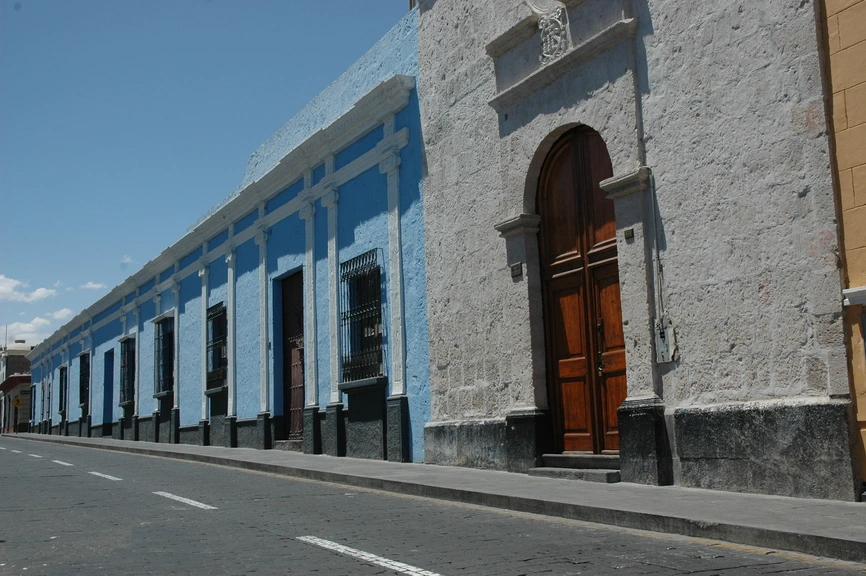
It is very easy to find. If you are in Plaza de Armas, head towards the Church of the Society of Jesus, located between the Municipalidad and Flores arcades. The side wall of this jewel of Mestizo Baroque architecture—whose construction began in 1590—runs alongside Álvarez Thomas Street, which was formerly known as Ejercicios Street and San Bernardo Street.
The street is named in honour of José Ignacio Álvarez Thomas, a politician and military leader born in Arequipa in 1787 who served as Supreme Director of the United Provinces of the Río de la Plata in 1815. He is remembered for his strong support of General José de San Martín in his efforts to secure the independence of Argentina, Chile, and Peru.
Among its most notable landmarks are the Municipal Public Library (Álvarez Thomas 312), an Art Nouveau building that houses a copy of El Republicano, Arequipa’s first newspaper, published in 1825; and the Villalobos House Museum (Álvarez Thomas 206), renowned for its magnificent sillar façade. A true delight for the eyes.
San Lázaro Neighbourhood
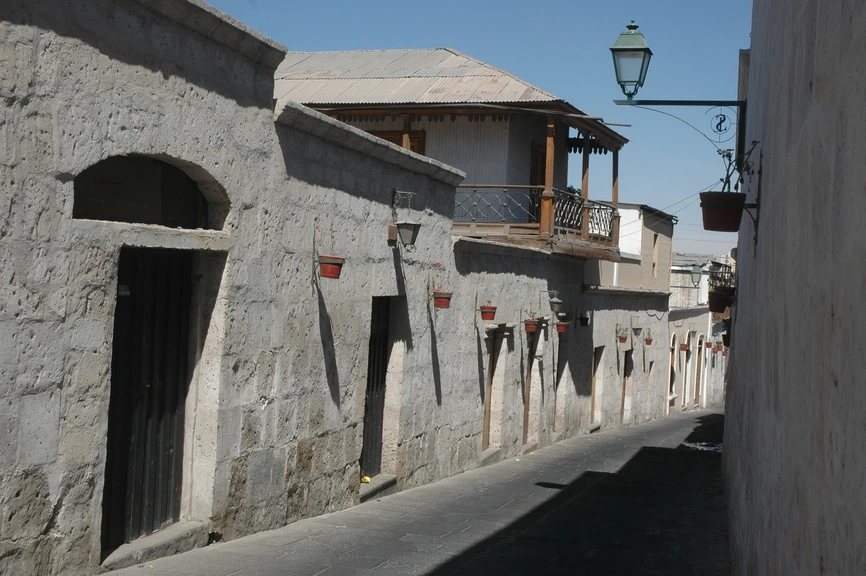
Spanish conquerors settled in this part of the city in 1540. For that reason, San Lázaro is considered the first neighbourhood of Arequipa. From Plaza de Armas, it can be reached via Santa Catalina Street or San Francisco Street (approximately 800 metres and 1 kilometre respectively), making it an excellent destination for a walk through its historic alleyways and passageways.
The neighbourhood is highly Instagrammable thanks to its narrow streets lined with sillar houses, windows protected by wrought-iron grilles, and flower pots decorating the walls. Every little lane, filled with a sense of history, leads to the peaceful San Lázaro Square, where the church of the same name stands.
The alleyways and passageways you should explore in the neighbourhood include: Violín Alley (one of the narrowest and most visited), Cristales Alley (where glassware and ceramics were once sold), Desaguadero Alley (where an irrigation channel once ran), Ripacha Alley (one of San Lázaro’s tourist gems), Calienes Alley, and Combate Naval Alley, which will impress you with its architecture.
There are still many more streets to discover in San Lázaro and countless things to do in Arequipa. Dare to wander through the White City and uncover, step by step, its remarkable architectural and cultural heritage. Take your time and let yourself be accompanied by Misti, the guardian volcano of a destination that is a true source of pride for all humanity.