Photo: Andina Peruvian News Agency
Fear is not a good travel companion. The fear of becoming a victim of theft eventually causes some destinations to be left off travel itineraries. “No, I’m not going there,” tourists decide, often allowing themselves to be guided by distorted information. If you are about to rule out Peru’s capital because you consider it dangerous, take a few minutes to read this article, which will explain why Lima’s Historic Center is safe.
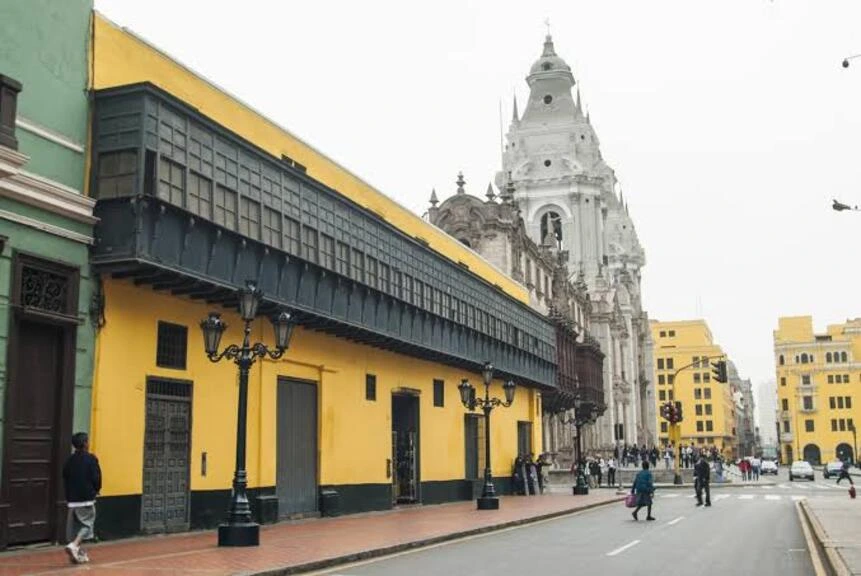
The first thing you should know is that Lima, officially founded on January 18, 1535, is a metropolis of more than 10 million inhabitants. Divided into 43 districts, the Historic Center occupies only 0.38 percent of the capital’s consolidated urban area. It is a remnant of the colonial and republican past that preserves its monumental heritage, as well as its importance as the center of the country’s political power.
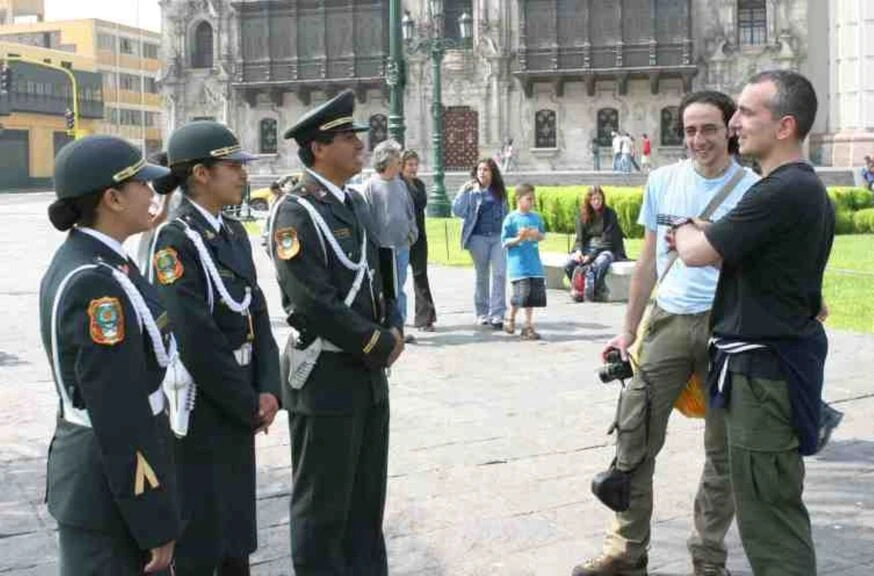
This status makes the old or founding district, declared a UNESCO World Heritage Site, a safe area due to the constant presence of the Peruvian National Police (PNP), including officers from the Tourism Directorate, a specialized unit responsible for protecting, assisting, and providing guidance to visitors from Peru and abroad. They are easily identifiable because they wear a white shirt or blouse.
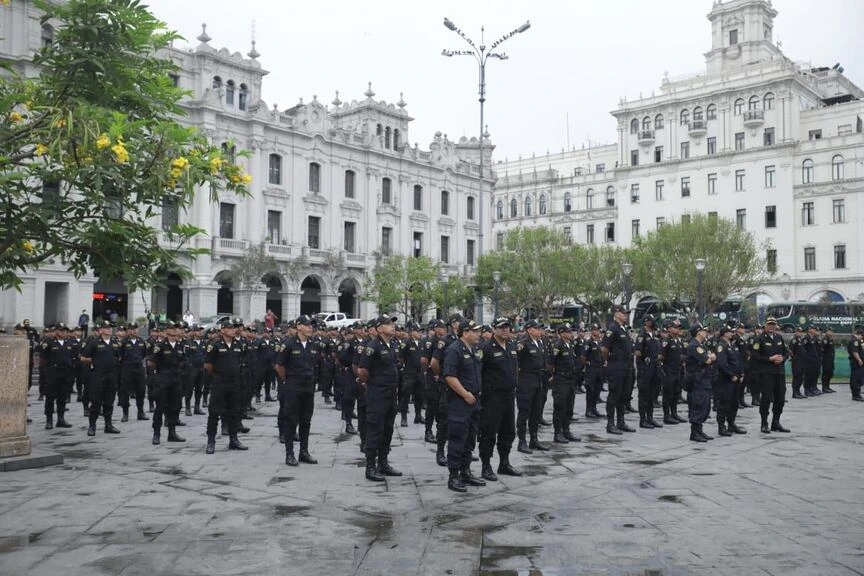
Photo: Diario Correo
Peace and security in old Lima are further reinforced by the presence of municipal security officers. Serenazgo, as this service is known, provides neighborhood protection and public security, carrying out preventive tasks and assisting with emergencies. Permanent surveillance makes the Historic Center an urban area that is ideal for exploring on foot without major concerns in the mornings, afternoons, and early evening hours.
What has been said so far does not mean that there are no risks in what is also known as the “Pizarro Grid.” Metropolitan Lima has serious security problems, but criminal activity is concentrated in certain districts or neighborhoods, which are not part of the tourist routes. Leave your fears behind and rest assured that fear will not be your companion on the streets of the capital if you follow our advice.
Safe Areas in Lima’s Historic Center

Photo: National Radio of Peru
Is downtown Lima dangerous for tourists? Are there safe areas in Lima’s Historic Center? These are key questions for travelers who hesitate to include the capital on their list of destinations because they consider it a violent and unsafe city. However, this dilemma will be resolved when you read the reasons behind our answers: “No, it is not dangerous” and “Yes, it is quite safe.”
Let’s start with the No. Lima’s Historic Center is not dangerous for tourists. Quite the opposite. The founding heart of the “City of the Kings,” as it was initially named by Spanish conquistador Francisco Pizarro, does not present serious security or street-violence problems. However, it would be a mistake to let your guard down. Always visit it with caution and care.
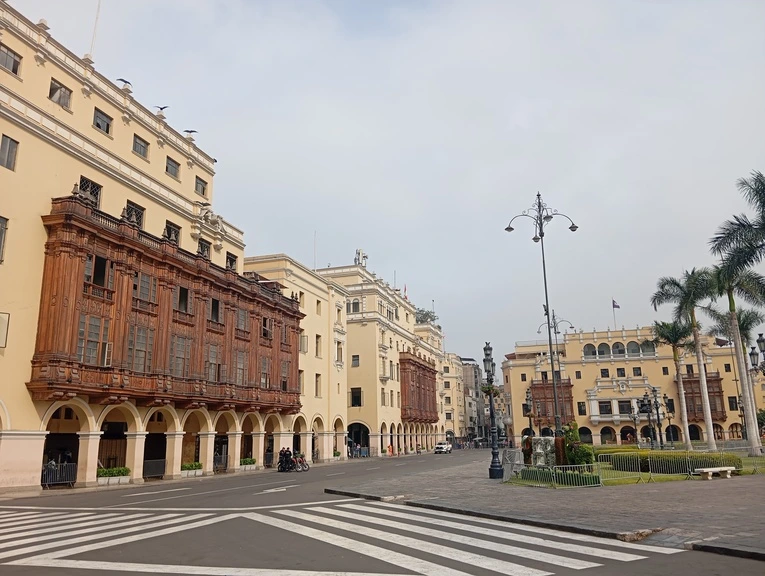
Keep in mind that in old and tourist-oriented Lima, as in almost any other place on the planet, security is never absolute. For this reason, while exploring the “Pizarro Grid,” avoid being careless in ways that could spoil your experience in the historic areas of Peru’s capital. Remember that criminals are always alert and take advantage of even a moment of distraction to carry out their ill-intentioned plans.
Now let’s move on to the Yes. In the historic center, there are several urban and monumental areas where you will feel at ease, allowing you to fully enjoy the colonial and republican architecture of old Lima; its squares and streets filled with history, tradition, and the past; its museums and art galleries; and, of course, the excellent local cuisine, considered among the best in the world.
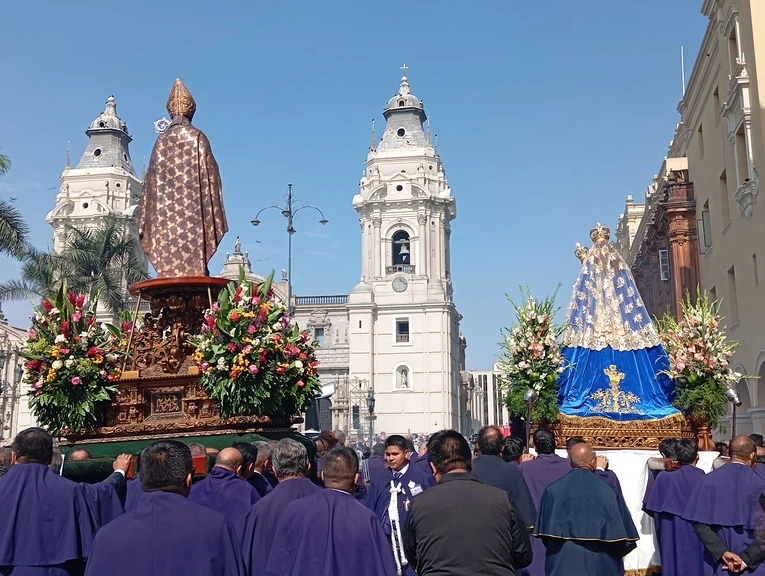
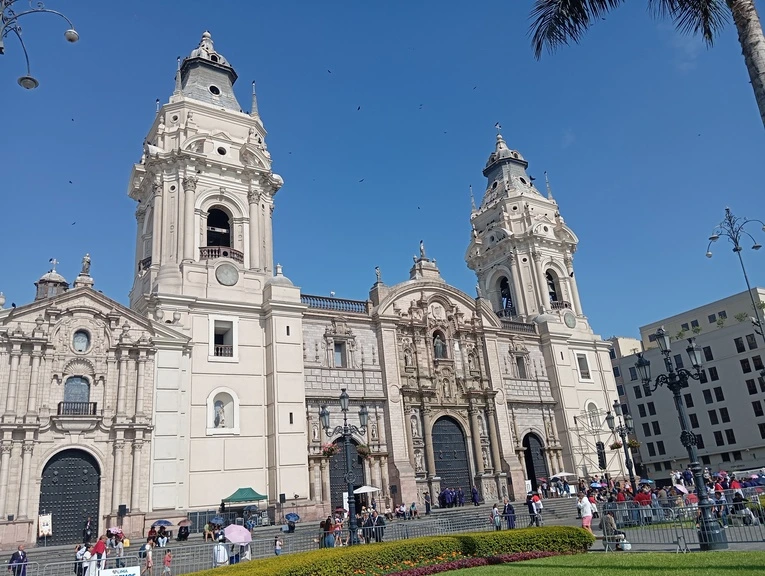
When walking around the Plaza de Armas, Jirón de la Unión, Plaza San Martín, the area surrounding the Church of San Francisco, and the other attractions included in the tourist circuits, you will not only feel protected by the presence of the police and municipal security officers, but you will also realize that Lima is a vibrant and bustling city. These scenes challenge the myth and stigma that the “Three Times Crowned City” is a frightening and dangerous urban area.
Ten Tips for Staying Safe in Lima’s Historic Center
* Avoid carrying valuables and jewelry that could “attract” the attention of criminals.
* Don’t carry too much money. If you do, don’t keep it all in the same place.
* Don’t keep your camera, cell phone, tablet, or any other electronic device on display at all times. It is best to use them and then put them away.
* Keep an eye on your personal belongings. Don’t leave them unattended on a restaurant table or on a store counter.
* Stay alert, and if you suspect that someone is following you or watching you too closely, approach a police officer or a municipal security officer.
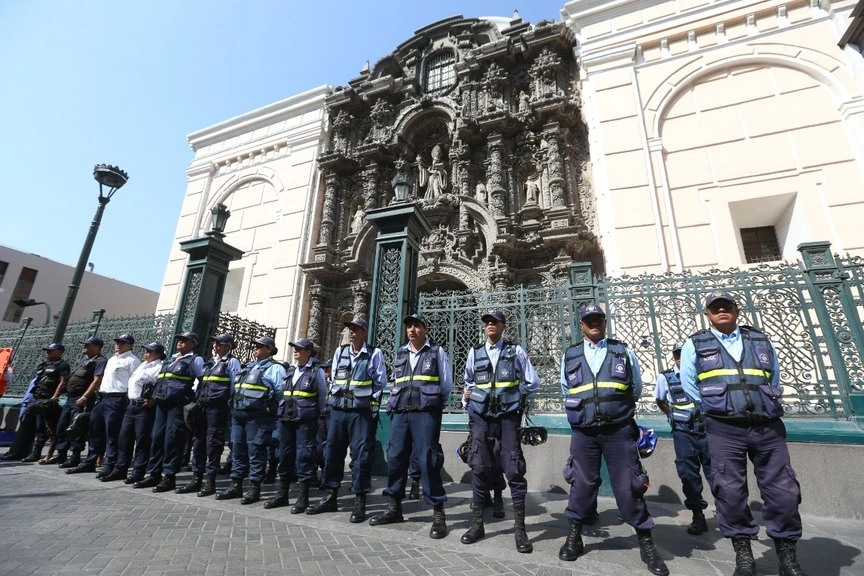
Photo: Perú21
* Don’t stray from the tourist areas or the busy streets of the Historic Center. Avoid crossing the bridges that connect the old center with Barrios Altos and Rímac.
* If you don’t feel comfortable in a particular place or on a particular street, leave and look for a safe place.
* Take your tours around Lima’s Historic Center between 09:00 and 17:00. The commercial activity and the greater presence of police officers and municipal security personnel will help you feel safe.
* Look for company when visiting Lima’s Historic Center. If you are traveling alone, join our free tour so you can visit its main attractions as part of a group and accompanied by a local guide.
* When leaving the Historic Center, avoid informal taxis, which refers to vehicles that are not registered or affiliated with any company. Prefer ride-hailing apps or, alternatively, use Metropolitano buses, a public transportation service that will take you to the districts of San Isidro, Miraflores, and Barranco, among others.
Lima is waiting for you. Don’t let fear or hearsay keep you from discovering the squares, historic mansions, churches, and convents of the Historic Center, a heritage area that will impress you with its architecture, traditions, and flavors. If you want to discover it in a different way and accompanied by a local guide, book our Lima free tour, the best way to explore the “Three Times Crowned City.”