Sign up with your email. We will send you a verification email.
Already have an account?
Recover password
Enter your email and we will send you a link to reset your password.
Remembered your password?
Author: FWTP
Huasao Wetland
1. Description
The Huasao Wetland is known as a theme park where you can enjoy the flora, fauna, artistic sculptures, and various activities.
This park was abandoned for a while and was threatened by urban expansion until, thanks to the idea of Jean Carlos Pacheco and the support of local authorities, they decided to add value to this Wetland. After hard work, they were able to transform it into a tourist attraction for Cusco.
This ecological park covers approximately 5 hectares and houses a variety of fauna and flora, including 10 species of birds, reptiles, insects, and fish.
Today, it is a popular destination for nature lovers and movie enthusiasts, as it features replicas of characters from Marvel films such as “Guardians of the Galaxy” “The Lord of the Rings” and “Avengers“. Its beautiful landscape, lake, variety of birds, and viewpoints are perfect for contemplating the beautiful surrounding scenery. This space is ideal for escaping the routine of the city and enjoying it with family.
Groot and Baby Groot sculptures
2. Location
This park is located in the district of Oropesa in the Province of Quispicanchi, southeast of Cusco and 40 minutes by bus from the center of Cusco.
Panoramic view of the Wetland
3. Ecological and cultural importance
Groot sculpture
The Huasao Wetland in Cusco holds significant ecological and cultural importance. From an ecological standpoint, the wetland houses a microecosystem with a diversity of flora and fauna, making it a recreational center that provides the opportunity to observe and enjoy nature.
Moreover, the wetland is an area of cultural significance, as it is the site where shamanic traditions are practiced, dating back to the Inca era. Local residents visit the wetland to seek good fortune, engage in coca leaf readings, and make offerings to the mountains (Pachamama).
Additionally, the wetland is renowned for hosting wooden sculptures of characters from movies and mythical figures from the Peruvian Andes, adding an extra layer of cultural and artistic value.
These characteristics make the Huasao Wetland a place of relevance for both biodiversity conservation and the preservation of cultural traditions and expressions.
3.1 Flora
The flora of the Huasao Wetland is diverse and is characterized by its aquatic vegetation and humid soils. Some of the flora species found in the wetland include:
Eichhornia crassipes – Water hyacinth (papyrus)
Pistia stratiotes – Water lettuce (pistia)
Salvinia molesta – Giant salvinia (salvinia)
Cyperus papyrus – Papyrus sedge (papyrus)
Typha domingensis – Southern cattail (totora)
Phragmites australis – Common reed (palo de tule)
3.2 Fauna
The wetland is known to be a freshwater ecosystem that is home to a wide variety of flora species. Additionally, in the Huasao wetlands you can see birds such as:
The Andean ducks
The royal herons
Poroncoes
3.3 Art
In the Huasao Wetland, you can admire impressive wooden sculptures that will captivate you. These sculptures include figures of movie characters, such as Groot from Guardians of the Galaxy, as well as mythical figures from the Peruvian Andes, adding an extra layer of artistic and cultural appeal to the wetland.
These sculptures stand out for their height of over 3 meters. These characters are heroes in science fiction movies and are associated with the protection of ecosystems, such as Groot and Baby Groot from the Guardians of the Galaxy saga. Another notable character is Enst, a character from The Lord of the Rings movie, who becomes a sensation at the Huasao Wetland. This significant work was carried out by the artist and sculptor from the School of Fine Arts of Cusco, Juan Challco Chura, who had only 70 days to carve these adorable figures.
After establishing the movie replicas, more sculptures were added to the site: a mermaid, an amphibian, a reptile, a rodent, and a camelid, making this attraction even more interesting.
Additional sculptures from the Huasao Wetland
4. Ecotourism and activities
In the Huasao Wetland you can enjoy various activities that include:
Observe the flora and fauna: The wetland is a recreational center that offers a micro-ecosystem with a variety of flora and fauna species.
Visit to artistic sculptures: The wetland is home to impressive wooden sculptures, including figures of characters such as Groot, Ents and mythical animals from the Peruvian Andes.
Children’s play areas: Ideal for family visits, the wetland has play areas for children.
ATV circuit: You will have the option of enjoying an ATV circuit for a more adventurous experience.
ATV circuit
Regional gastronomy: You can taste the delicious regional cuisine while enjoying the natural environment.
Photography: Take an unforgettable memory! It is allowed to take photographs with the sculptures and appreciate the interesting carving.
Sunset in the Wetland: If you are one of those who loves to watch the sunset, then this is the perfect destination for you. You will be able to admire the beautiful sunset, breathe the purity of nature andthe vegetation while the birds paint the beautiful landscape.
Sunsets in the Huasao Wetland
5. How to get?
To reach the Huasao Wetland, you can take local buses labeled “HUASAO” on La Cultura Avenue, with a fare of 2 soles. Alternatively, you can take buses heading to Urcos and alight at Huasao. Another option to reach the Wetland is by private transportation, and if you have your own vehicle, you will find suitable places to park.
6. Price and schedule
The entrance is accessible to national and foreign tourists:
The price is: S/. 3.00
Children: S/. 1.50
Hours of operation:
Monday to Sunday from 8:00 a.m. to 5:00 p.m.
We recommend visiting the Huasao Wetland between Monday and Thursday, on weekends many people go.
7. Recommendations
Don’t litter! Being an ecological park, it is recommended to save waste until you find the respective trash cans.
Take the route in one direction only, respecting the park’s signage.
Take sunscreen.
He wears a rain poncho.
Water bottle.
Huacarpay Lake | If you are planning your trip to Cusco for Andean bird watching, you can visit the Huacarpay Lake, it is very close to Cusco city, and the place is magnificent because of its biodiversity in flora, fauna and proximity to Cusco.
1. History and importance:
24 million years ago, the entire valley of Cusco was an immense lake that today in history we call the Morkill lake, at some point this lake drained out and left a fertile valley known as “El Valle Sur del Cusco”, however there are still vestiges of the existence of that lake such as Huacarpay lake.
The Huacarpay Lake is a wetland protected by SERNANP as a Natural heritage because of the landscape and the importance for the southern valley of Cusco‘s ecosystem for various species of birds and vegetation.
2. Etymology:
The term “Huacarpay” derives from the Quechua language “Waqar” which means White Heron (Ardea alba), in this lake there are mainly this type of birds, in addition to other 107 species of birds among local, occasional and migratory.
3. Location and distance:
The Huacarpay Lagoon is located 30 km southeast of the Cusco Valley, at an altitude of 3,050 meters above sea level, in Lucre district, one of the twelve districts of the Quispicanchi Province – just follow the road Cusco to Puno.
4. What to see?
Huacarpay lake is made up of 4 permanent lagoons, 1 seasonal lagoon, 3 swamps and the Lucre River, which is the main river that feeds this lagoon.
At the lagoon you can see a great variety of birds (in total 108 species) among local, migratory and occasional birds, highlighting the presence of endemic birds of Peru, such as the Montañez Barbudo (Oreonympha nobilis), Canastero Frentirojo (Asthenes ottonis) and the Monterita de Pecho Castaño (Poospiza caesar).
The lagoon is also a habitat for reptiles, mammals, wild fish such as the “Chiñi Challwa“.
The lagoon is also a habitat for wild flora, such as the high-andean vegetation from the lakes [algarrobos and various species of cactus, predominantly the totoras (Typha angustifolia)].
At the top of this lagoon is the pre-Inca city known as Pikillaqta and the Rumiqolca quarry, both archaeological sites belonged to the Wari culture.
5. How long does it take to get there?
By either public or private transportation, getting there takes about 30 to 45 minutes.
6. Price:
The entrance to this wetland is Free unlike the Humantay lake or the 7 Lagoons of Cusco.
7. How do I get there?
7.1 On my own:
Take the buses that go to Urcos, but you must get off brfore you arrive at Urcos at the Huacarpay Lagoon, just inform the driver well, what’s more you will not be the only person getting off at Huacarpay lake, keep in mind that there are many people who live around this lake.
The terminal for the buses is located in front of ” Hospital Regional del Cusco”, you can also find some taxi drivers at this bus stop who take quickly to the lagoon.
On the way back, take the same buses to Cusco, there is no terminal in Huacarpay lake, so just go to the main road (paved road) and raise your hand to stop the medium sized buses coming from Urcos – Cusco, as simple as that!
7.2 Via a travel agency:
First option:
There are no travel agencies that offer this attraction in a group service, they only offer private tours for bird watching activity, these private bird watching tours will be your cup of tea, but they will also cost more money, if you live, you can also contact us and get a quote for this private excursion to the Lake of Huacarpay with a Bird-watching Guide or Ornithologist at decent price.
Second option:
There is a group tour to the southern valley of Cusco, on this tour you will visit Piquillaqta ruins, Tipon ruins and Andahuaylillas church, if you wish you can take this excursion, it is very affordable, the average price is 50 Soles (16 USD), it includes Tour Guide and Transportation – On this excursion you can see the Huacarpay lake for about 5 to 10 minutes maximum (you will not approach to the lake, you will see it from 300 meters away – 1000 feet). If you are a wildlife lover and want to spend more time at the lake, this option is not your best choice, choose the first option.
Top Museums in Cusco | Unveil the best paid and free museums in Cusco to learn more about the former capital city of the Inca Empire instead of just wandering on your own, most of them have a tour guide at site keen to show the best of Cusco, some of them are even for free, check below a list of must-seen museums recommended by most tour guides, historians and serious travel guides.
1. Best Paid Museums in Cusco
1.1 Qoricancha Temple
This temple was a big ceremonial religious center for the Andean society, similar to Mecca in Saudi Arabia for the Muslim people, as you may imagine the Indigenous people living in Cusco or on the Andes had a lot of sense of religion, therefore they would venerate may deities or living energies such as the sun, moon or even some animals. At this temple, we had the physical representation of the pre-Hispanic deities by using precious stones and metals; Nowadays you can still see the stone remains of the Temple of the Sun.
Qori (Quechua language) means Gold and Cancha (Quechua language) means a flat enclosed place, so we can say that this was a gold-plated temple and also many chroniclers have said the same thing.
Opening Hours: Monday thru Saturday from 9 am to 5:30 pm and Sunday from 2 pm until 5:30 pm.
Entry price: 15 soles or 5 USD approx. per person.
1.2 Our Lady of Mercy Church or La Merced Church
The Church was built at the beginning of the 17th century but unfortunately destroyed by the earthquake in 1650, lucky rebuilt within 20 years. Completely decorated by usingAndean Baroqueas the main artistic theme for extravagancy and evangelization purposes, the benches in the main nave still dates back to the colonial period made out form cedarwood and both the church itself and the convent are fully decorated with canvases. Apart from this at this site, you will see the bone remains of Diego de Almagro father and also his Sun known at “El Mozo” both of them were Spanish conquerors who have been killed during the civil war between Francisco Pizarro and Diego de Almagro back in 1542.
Opening Hours: Monday thru Saturday from 8 am to 12:20 pm and 2 pm to 5:30 pm.
Service Hours: Monday thru Saturday from 5 pm to 8 pm and On Sundays from 6 am to 1 pm and 6pm to 8 pm.
Entrance fee: 6 soles or 2 USD approx. per person.
1.3 Inka Museum
The museum was implemented in one of the most notable colonial houses in Cusco city know as Casonas (Big Colonial Houses, some of them are mansion looking ones). The House was built at the beginning of the 17th and belonged to a very aristocratic Spanish family Don Francisco Aldrete Maldonado, however, the earthquake in 1650 really damaged most of the colonials buildings, therefore, Don Pedro Peralta de los Ríos rebuilt the house and once again destroyed by the earthquake in 1950 and it was rebuilt by the National University of Cusco city.
The house displays the best the Inca culture in terms of textilery, architecture, ceramic, astronomy, mommies, weapons and agriculture.
Opening Hours: Monday thru Friday from 8 am to 6 pm | Saturdays and holidays from 8 am to 4 pm.
Entrance fee: 10 soles or 3 USD approx. per person. | Students 5 soles per person.
1.4 Pre-Columbian art museum
Back at the Inca period, there were two high schools or learning houses, the first one was known as Yachay Wasi located next to the main square and the other one known as Amaru Cata which was located on the eastern side of the city, when the Spaniards arrived in the Inca city the converted the Amaru Cata high school into the Santa Cara Monastery. In the 17th century, the building was acquired by Luis Jeronimo Cabrera, whose surname remained with the building until today.
This historical monument was purchased in 1981 by the Continental Bank. Revived and packaged in its 2000 square meters by the Foundation, Cabrera House became the Pre-Columbian Art Museum of Cusco is the first and only museum dedicated to outstand the art of the ancient pre-Colombian cultures of Peru.
Opening Hours: Monday thru Sunday from 09 am to 10 pm.
Entrance fee: 20 soles or 7 USD approx. per person. | Foreign Students 10 soles or 3 USD | Peruvian Students 5 soles or 2 USD
1.5 Santa Catalina Museum
Back at the Inca Period right at this place where the Museum is located nowadays, there was the Accallawasi building where Locals, mainly women were in charge of mass-producing weapons, uniforms, agricultural tools, ceramics and more according to Maria Rostworowski, a very famous historian, then there was a factory in the southern part of Cusco city plaza.
Once the Spaniards arrived, the monastery was established back in 1601 as part of the Dominican order, nowadays this is an awesome place to learn more about the evangelization process over the indigenous societies.
Opening Hours: Monday thru Saturday from 08:30 am to 5:30 pm. | Sundays from 2 pm to 5 pm.
Entrance fee: 8 soles or 3 USD approx. per person | Students 4 soles or 1.50 USD.
1.6 Museum of Religious Art
Back in the pre-Inca period in 700 AD, there was a very advanced civilization known as Wari, who built a very well implemented city by also using as main material stones, one of them is the Inca Roca Palace, a green diorite stone-based building and belonged to a pre-Inca chief. In the 11 hundreds, a group of people from the Titicaca lake arrived at the valley of Cusco to conquer the locals which indeed this happen, this expedition was commanded by Manco Capac who later on became the first Inca King and by the 12 hundreds this pre-Inca resident became the palace of Inca Roca.
In 1534 the Spaniards arrived and the made the Inca palace into the Archbishop palace by still keeping the Inca stone foundations. The colonial religious palace has a beautiful renaissance patio with stone arches and tiles on the walls, and in the middle, the “stately pool” is adorned, located in a preferential place. It is recognized because among its walls there is the “The Stone of 12 Angles”
Useful Info:
Location: Herrajes 38, block from the Plaza de Armas.
Opening Hours: Monday thru Saturday only from 10 am to 6 pm.
Entrance fee: 15 soles or 5 USD approx. per person | Students 7.50 soles or 2 USD.
2. Best Free Museums in Cusco
2.1 Choco Museo Cusco
You can have a wonderful day without paying nothing, we invite you to the Choco Museo. They have very interactive Workshops about how to make chocolate from beans to bars.
You are parents, you don´t find many options for your kids, your kids really want to experience Cusco as kids(by not taking tours for adults), well the guys from choc museo have kids-friendly choco tours so that your little ones can also have a cool day!
Peru is the 3rd largest coffee producing country in Latin America, how came not to visit the Museum of Cafe in Cusco, considering that Cusco is a region that also has the Amazon or the Rainforest where lots of farmers, mainly indigenous families cultivate and produce top-quality coffee. At this museum, the friendly hosts will teach you about the cultivation, the harvest and how it is fermented and how locals do dry the coffee to obtain the best-selected coffee beans.
You will also take part in workshops where the experts will teach about what else can you prepare with coffee! (Not just expressos or lates but also desserts).
Opening Hours: Monday thru Saturday from 10 am to 11 pm | Sundays from 9 am to 10:30 pm.
Entrance fee: Free!
2.3 Museo del Pisco Cusco
Join the Pisco Museums in Cusco, a very educational and fun way of learning about Peru National drink: Pisco, the museums are operated by passionate and experts team in the arts of pisco elaboration. In general, pisco is to be savoured and appreciated among friends. It is a drink that brings smiles and happiness, camaraderie and spirit.
At this hot spot you will learn about the history of Pisco, where and how is Pisco made? What grapes are used? etc.
Your expert “Pisquero” will also recommend you the best brands of Pisco!
The 12 Angled Stone in Cusco Peru | There are no writings by indigenous or spanish chroniclers about this stone under any connotation, this is because the Inca society had stone, mud and straw as their main resource for their buildings, this fact made the Inca societies and even pre-incas knowledgeable in masonry, we are sure that when the Spanish arrived they saw many stones with different shapes and / or carvings, which is why the 12 angled stone did not call much attention from the chroniclers. You can see other stones with many more angles such as the 20 angled stone or 32 angled stone in Qoricancha.
Therefore from the historical point of view, what is pointed out about the place are based on the collective memories, science and studies carried out by well-known researchers for Peruvian anthropology, history and archeology such as Federico Kaufman, Julio Cesar Tello or María Rostworowski.
2. Architecture and Measurements
There is no doubt that the Incas were experts in masonry for the abundance of lithic resources as well as the Vikings in carpentry because of the wood abundance(trees).
The 12 Angled Stone is very famous because of its carving and perfect fitting system into 12 surrounding stones around this piece.
The First Stone: Many Guides point out that this lithic unit was the “Mother Stone or the First Stone” placed for the construction of this Inca Palace, some tour guides also tell visitors that removing this stone from that wall would necessarily require dismantling the whole palace. We don´t doubt that there has been a first stone placed for this building, which must be at the foundation, which is not visible and nor it is known which stone that is!
To remove the 12 angled stone from the wall, di does not necessarily require destroying the entire palace, it would be enough to disassemble 10 to 15 lithic pieces from the wall, it is a technical matter, anyone can realize that observing the wall.
Measurements: The 12 angled stone is approximately 1 meter high and 1.20 meters long, it is not gigantic stone as many people would think.
Weight and Type of Stone: According to the measurements and the type of stone, it weighs about 6 tons. It is a volcanic stone called green diorite, which means it is the lava of a volcano.
Carving and Transportation: There was a quarry located in San Blas neighbourhood (Tok’o Cachi neighbourhood in the Inca period), this quarry is very close to this palace, in the quarry the stone had to be broken using the expansion by fire, contraction by water, and friction by percussion, which was made with harder stones and bronze tools. The transportation of this stone was done by using ramps, ropes, wooden rollers and many people. The Carving of the stone was done using sand and harder meteoric stones – abrasion.
3. Legend of the 12 Sided Stone
There is no legend about specifically this stone, however many people relate the number of the angles to the 12 disciples of Jesus or the 12 months of the year. We believe that those are simple speculations that are not based on real writings of any chronicler, nor there is any essay from nowadays about this possible correlation.
In the writings of Felipe Huaman Poma de Ayala, entitled the “New Chronicle and Good Government”, the indigenous chronicler tries to illustrate that pre-Hispanic societies, especially the Inca, were already “Christians” before the arrival of the Spaniards, the chronicler points out that the Inca society had a social order with a human face based on principles of reciprocity and redistribution that the Ayllus (communities) use to practiced. Ideed he tries to make this correlation to disqualify the political, religious and economic decisions done against the indigenous people at the beginning of the colonial period by the Spanish, implying that in the Inca period, there was a society with more human values “Christians”. But he doesn´t mean anything about the twelve Incas and their correlation with the twelve apostles of Jesus, not even as a legend.
In conclusion there is no legend like “Inkarri” about the stone of the 12 angled stone, but speculation.
4. Details – Important information about the 12 Angled Stone
4.1 Description and Meaning
The 12-angled stone has a deep cultural meaning to the Locals and a crucial importance for the tourism sector; This fact is thanks to the physical characteristics of the stone, the polishing, the setting, the number of angles, the type of stone and the beautiful high relief that can be clearly seen. There is no doubt that if you are in Cusco, don´t miss this place!
4.2 Where is it located? Location? Map?
This lithic piece is located in the historic center of Cusco about 150 meters from the Plaza de Armas of Cusco, on Hatun Rumiyok street (means street with large stones). This monument or palace dates from the Inca period, it is calculated that it was built in the mid-13th century for the Inca emperor Rocca.
This street is described as a street today, however in the Inca period, this corridor was one of the four roads called Qápaq Ñan (there were four royal roads, one for each region or cardinal ponit), this road network connected the Cusco with the Antisuyo or the jungle region (one of the four regions), this road network was crucial because the coca leaf came from this region, a very precious asset for the noble class, who used to use these leaves for ceremonies.
4.3 At what times can you visit? Schedules
The 12 sided Stone is open to the public 24 hours a day, 7 days of the week, we recommend visiting the place at night, starting at 9pm, after this time there are not many people trying to take a photo with the stone. Don´t forget that if you visit this place there will be many people waiting to take a photo, consider also that Hatun Rumiyoq street is extremely narrow because it was never designed to be a street in the Inca period.
4.4 What is the price of this place?
Good news! We tell you that visiting this place is 100% Free, you don´t have to pay anything, you donp´t need to buy the Tourist Ticket.
5. How to get to the 12 Angled stone?
The historical center of Cusco is small, so if your accommodation is located in the historic center, go to Hatun Rumiyoc street on foot, you can make in 20 minutes, otherwise take a taxi, pay an average of 5 Soles.
6. How to visit the 12 Angled Stone?
In the 12 Angled Stone, you are not required to have a tour guide, so you can do it on your own, if you need a Private Guided Tour, please contact us, if you want to join a guided group tour, we recommend you joinming a FREE Tour in Cusco in English and ask your Guide to show you the 12 angled stone, check out thousands of reviews HERE.
Important: If you take a private tour to the 12 angled stone, we can also show you, the 13 Angle Stone, The Puma, The Condor and The Serpent that are represented in this Inca palace, you decide!
If you visit the 12 angled stone, don´t touch it because the hands carry many bacterias that can damage the stone in future times. Remember that this stone is considered Cultural Heritage of the Peruvian Nation.
Costa Verde Miraflores Beaches | Lima is the only capital of South America with access to the sea and the Costa Verde is the most important beach circuit in Lima and Peru. It has an extension of 6 kilometers, and the route passes through the districts of Chorrillos, Barranco, Miraflores, San Isidro, Magdalena and San Miguel.
Costa Verde is a circuit of Pacific beaches, it is attributed the name of “Costa Verde” for being located on the Pacific coast that has outstanding vegetation, especially on the cliffs. One of the characteristics of this circuit is that it is located under the cliff, several meters high that separates it from the city, so access must be known.
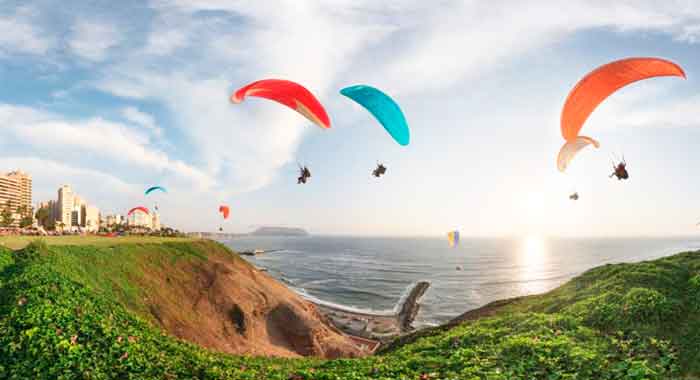
On the tour of the Costa Verde you can find a wide variety of spaces for practicing sports, recreational and tourist activities, such as surfing, paragliding, tennis courts, volleyball, parking lots, concert areas, restaurants, areas for fishing, hiking, walking, among other.
1. La Costa Verde (Green Coast) and its Beaches
There are more than 20 beaches throughout its extension of Costa Verde, where you can spend your days at any time of the year, although during the summer months the attendance is greater.
What beaches exist on the Costa Verde?
Agua Dulce: It is located in the Chorrillos district, it is one of the best known in the city of Lima, currently it has a great and modern boardwalk, so access to it is easy, which further increases the amount of visitors.
La Herradura: It is another popular beach of the Costa Verde circuit in the Chorrillos district, it has a very attractive sea, it is ideal for experienced surfers but not for beginners.
Los Delfines: This beautiful beach is located in the Miraflores district, here you can see the presence of stones instead of sand. It has been classified as a very healthy beach by the Ministry of Health, therefore it is the beach that we recommend, especially if you want a quiet place with fewer people!
Barranquito: As its name announces it is located in the Barranco district. This spa is visited by surfers who are attracted by its waves, these waves are characterized by being of the breaking type at the tip and often deceive those who try to enjoy its benefits, this because its waves are accompanied by stones that hinder Enjoy this sport to the fullest, but if you are an expert we are sure that you will have a great time. Not recommended for beginners.
Los Yuyos: It is also located in the bohemian district of Barranco, its waters are calm to enjoy without scares, this beach is recommended for beginners in Surfing. On this beach it is common to develop various national championships of Jet Ski and Hawaiian canoes, calling the massive turnout of vacationers, who have one more reason to come to enjoy the Pacific Sea.
Waikiki: It is located at the foot of Bajada Balta in the Miraflores district and is ideal for both intermediate and experienced surfers.
2. Additional information about the Green Coast
Although it was conceived as a large recreational space, with the construction of the beach circuit it has become a rapid transit route, changing its original concept. Currently there is an ambitious project to build a cruise port in this place, those who defend the project point out that the disembarkation of tourists in Miraflores would help the best operation of tourism, currently all cruises run aground in Callao and it is definitely very complicated for tourists getfrom Callao to downtown Lima or Miraflores. People who do not defend this project point out that it would alter the characteristic tranquility of this beach!
3. What is the route to access the Miraflores and Barranco Beaches?
There are many ways to access the Costa Verde beaches (Miraflores), pedestrian as well as vehicular, we recommend Bajada Balta either by car or on foot!
You can find sophisticated restaurants located in front of the sea, which have terraces and atmospheres that are ideal for an unforgettable evening, for example the Rosa Náutica.
5. Where can I find a Tourist Guide for the Costa Verde?
We recommend contacting us so that you can get to know the Miraflores boardwalk and also show you the beaches of the green coast.
1. History
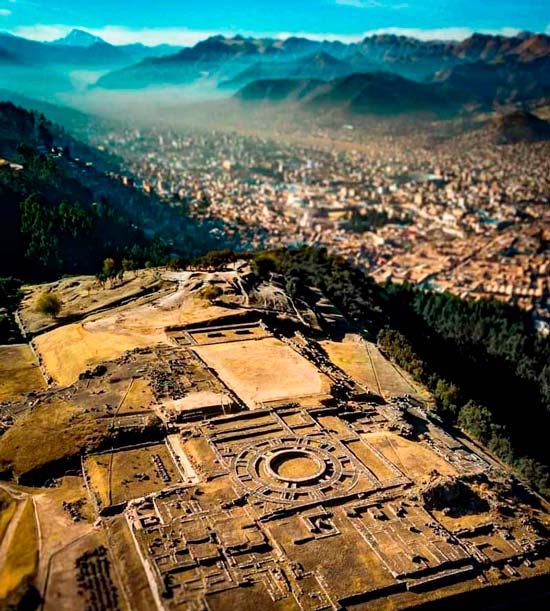
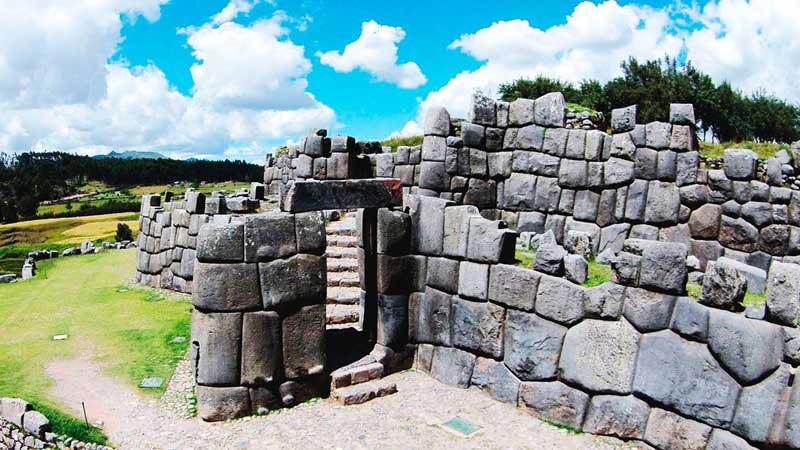
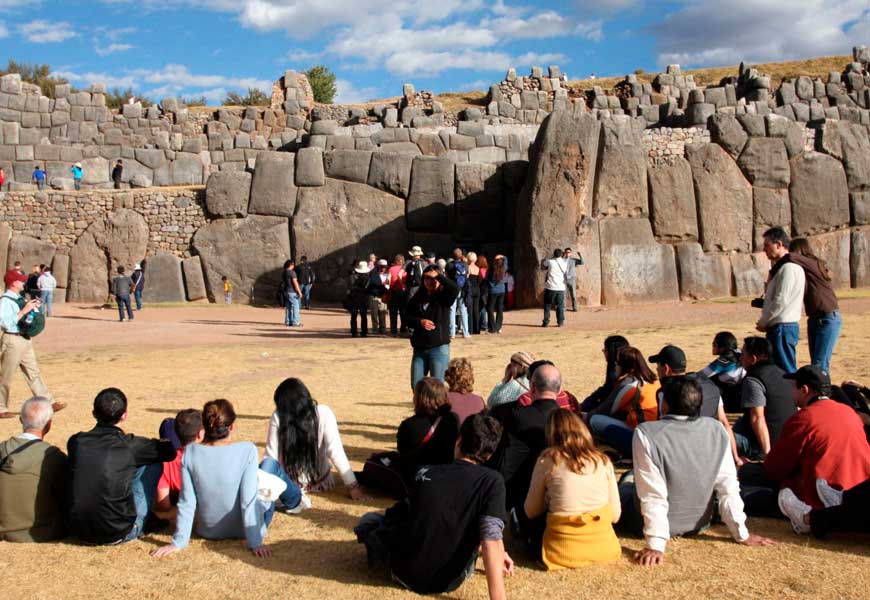
Sacsayhuaman Cusco | The Spanish Chroniclers, Mestizos e Indigenous as well as archaeologists and historians from nowadays agreed that the construction of this fortress happened during the reign of Inca Pachacutec emperor in the XV century, the project demanded the work of thousands of specialized people in the masonry, it is calculated that at least 20 thousand people were required to work per day for about 40 years.
For the building, the architects used about 5000 stones and many of them are so large that they measure up to 4 meters in height and 125 tons in weight. The type of stone used is limestone.
The Quarry for Saqsayhuaman was located about 2 kilometres northwest of this fortress. In this place the stones were broken into movable sizes (NO Cuttting, To split up and To cut don´t have the same connotation) with bronzes, expansion by fire, contraction by water and friction by percussion which were caused by using bronze hammers.
Transportation: They used llama and alpaca fiber, stone and wood rollers, ramps and thousands of people; considers that in Saqsayhuman there is a lot of space, which facilitates the transportation of cyclopean stones. In the Inca period there were three principles of mutual help or reciprocity: Ayni, La Minka and Mita, out from those these three principles, Mita was a tax that most people had to pay in shapes of labour (No money), therefore under this conception there was no shortage of man power, apart from that consider that the population in the Inca period was about 8 million.
The polishing of the edges of the stones facing outside were made by using sand, water and harder stones to generate the abrasion.
3. Facts – Important Information for Travellers
3.1 Description:
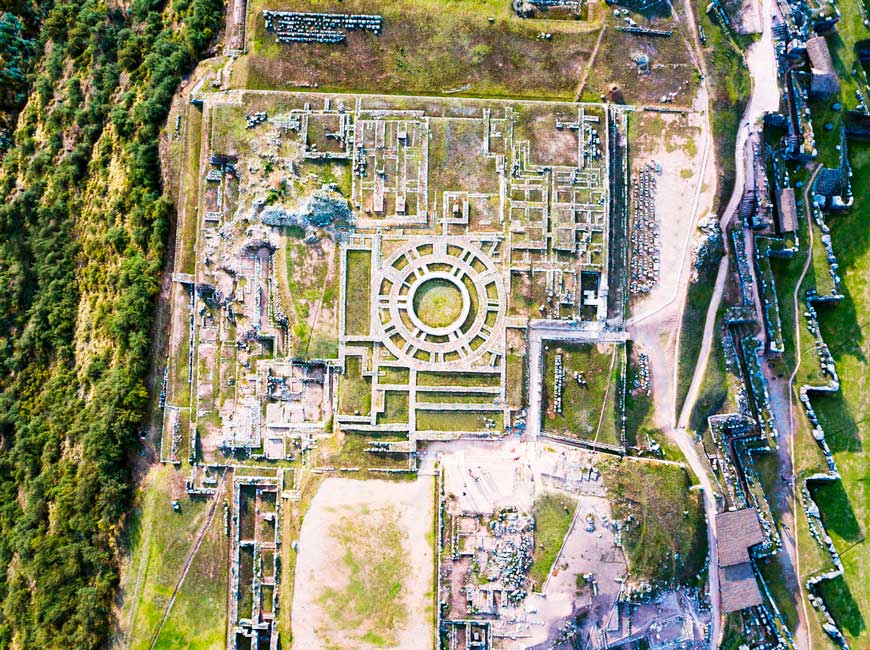
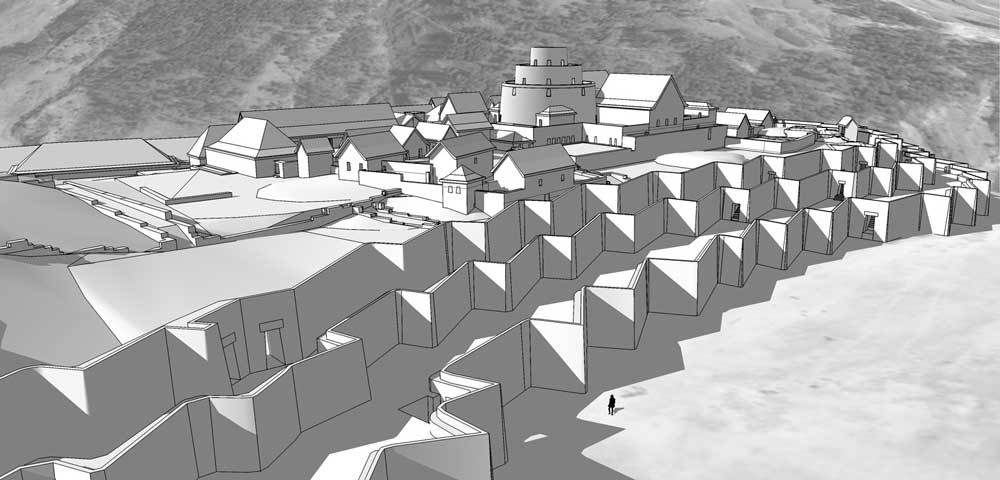
It is a cyclopean construction that had political and religious purpose. Cusco city originally had a city wall, Saqsayhuman Fortress was part of it, appart from that this fortress is located on a higher sea level location (It is located on on top of a mountain in the northwest Cusco city). We also know that on the upper part of the fortress there were 3 watchtowers to keep an eye on any possible atach.
One of those circular tower was about 30 meters high and it was also the eye of the Puma (the city of Cusco had the morphology of the Puma, the head of the Puma was Saqsayhuaman), according to the writings of the Inca Garcilaso de la Vega a half-blood chronicler.
Some historians point out that this fortress was also dedicated to the Lightning God or Illapu (in the Quechua language), for its zigzagging shapes that can be seen on the wall designs.
3.2 What to see in Sacsayhuaman?
a. The Watchtowers
There were 3 towers known as Muyucmarca (or Cahuide´s tower), Paucamarca and Sallaqmarca, you can still see nowadays the foundations.
b. The Zigzag walls
The zigzagging shaped walls are very prominent in the first bastion where you can also see the largest stone pieces.
There are three main doors with a trapezoidal shape for a better distribution of the upper weight towards the lower parts. These doors or gates are known as Ajawanapunku, T’iopunku and Wiracochapunku.
d. The Suchuna or The Slide Rock (Rodadero)
The Slide Rock is located at about 7 minutes walk from the ruins of Saqsayhuman, it is scientifically known that a volcano existed millions years ago at this place, which gave rise to this natural diorite Rolling Stone (volcano lava), if you have children you have to visit this place yes or yes. The term Suchuna is Quechua, it means “place where one can roll down or slide”
e. The Inca’s Throne
It is a stone structure sculpted perfectly on a on-site stone. It is very close to the Rolling Stones.
f. The Chincanas or Tunnels
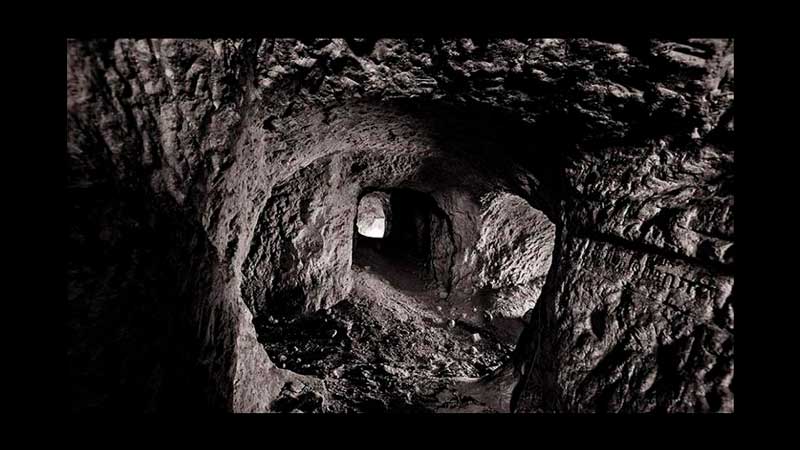
They are underground passageways of natural origin, there are three of them, two of them were sealed off at the beginning of the 21st century, some attempt were made to find the end of both tunnels without success, according to legends it is believed that one of them connects with the Qoricancha temple and the other with Sayhuaman watchtowers, this fact was never proved, so they are premises based on legends only.
The only Chinkana open to the public measures about 15 meters distance, it is located very close to the Suchuna or Rolling Stone.
This complex is open from 8am to 5pm, Monday through Sunday.
3.6 Tickets and Price for Sacsayhuaman
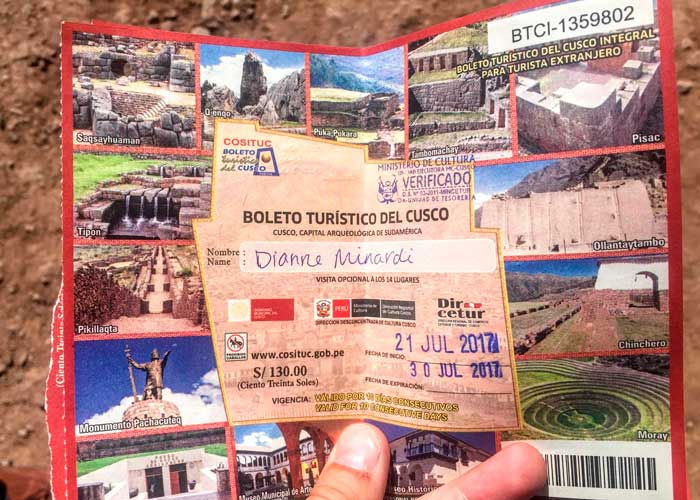
To enter this archaeological complex you must buy the Cusco Tourist Ticket at Avenida el Sol 185 from 8am to 5:30 pm, Monday through Sunday.
Prices may vary according to your nationality, the price is 130 Soles for tourists, 70 Soles for Peruvians, remember that the Cusco Tourist Ticket is a document that will let you access to many attractions in Cusco city and the Cusco region (16 attractions package), some tourists don´t want to pay that amount of money, so they buy only the partial ticket which costs 70 Soles.
You can also buy this ticket at the same attraction, the same day of your excursion, do always bring local currency (Soles, No USD is accepted), consider that if you buy the ticket the same day of your activity, the Partial Tickets may run out sometimes.
In Conclusion to access this place you need to buy the Tourist Ticket, you will not be able to buy an individual Ticket Only for this Place.
There are many tourists who ask about the possibility of visiting this complex without paying the entrance ticket, well as proffessionals don´t recommend doing so becasue it is illegal, nontheless we have seen many tourists “visiting” this site very early in the morning (5am to 6am) without paying the entrance fee, taking advantage of the absence of the park rangers. The park rangers start working from 8am.
The bottom line: It is possible “visiting” this site withoout paying the fee at least very earky in the morning, however it is not legal, we have even seen and heard in the news that those tourists who enter this place without paying this site are removed from this park by the tourism police of Cusco city. We don’t believe this is the experience you would love having in Cusco!
5. How to walk to Sacsayhuaman from Cusco?
Consider that we can always assist you with a tour guide, we have our best english speaking guides (see our reviews) ready to help you or just check all details below so that you can make it on your own.
From the historical center to Saqsayhuaman on foot takes 40 minutes, the route is very steep. The first thing you have to do is, Get to the San Cristobal church and there ask the locals for the route to Saqsayhuaman, don’t worry, you won’t get lost. Click here for Google Maps of Saqsayhuaman.
5.3 In taxi
From the historical center of Cusco to Saqsayhuaman by taxi takes 10 minutes, pay an average of 10 Soles, one way. We advise you to take the taxi one way only, on the way back you can do it on foot through the Cristo Blanco and the San Blas neighborhood.
You can also use Uber because that there are many taxi drivers who overcharge.
5. In Public Bus or Collectivo
Get to the Puente Rosario bus stop, in front of the Qarmenqa hotel, at this bus stop take the “Cristo Blanco” Bus (Cristo Blanco in this case means the name of the bus company) and get off at Cristo Blanco bus stop, pay 0.80 cents. From the Cristo Blanco bus stop walk for about 5 minutes to get to Saqsayhuaman.
6. Documentary
Check out the best documentary below about the enigmas of this fortress and temple.
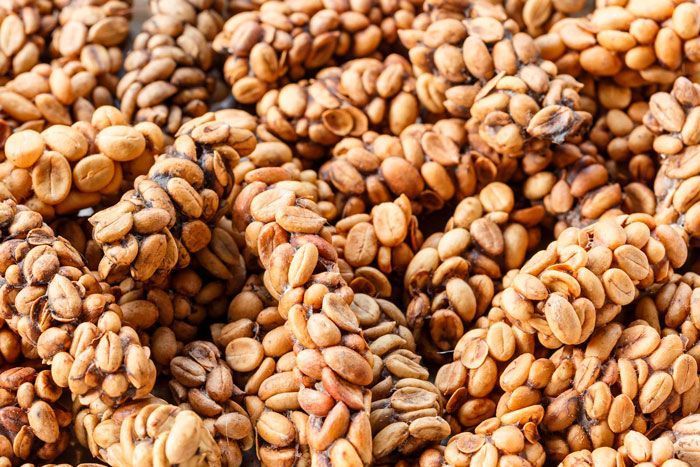
Capis Coati Coffee Beans | Originally the first poop coffee beans were processed in Indonesia back in the 18th century when this land was a Dutch colony; The Locals were no allowed to drink coffee but the Dutch yes; so the locals started collecting the poops from the Coati Animals to be dried, roasted and brewed, the result was an awesome aromatic!
The Dutch people noticed that the locals were drinking better coffee than them so they found out this was “Poop Coffee”, as time went by the Dutch people also started drinking this type of Coffee!
Why is this Poop Coffee famous?
The First reason why this coffee is so famous it is because of the flavour. The Coati animals are very picky with the fruits they eat, they always choose the best fruit beans – So when they eat the coffee beans they choose the best ones, which are fermented with other fruits inside the little stomach of these animals.
Keep in mind that Coffee beans are fermented inside big wooden cages after being harvested and peeled off – The Poop Coffee is fermented inside the stomach of these animals.
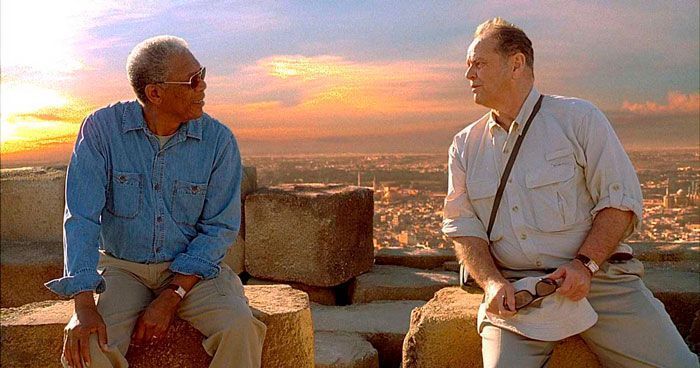
The Second reason why this coffee became so famous, it is a movie, the name of this film is The Bucket List – 2007 – by Morgan Freeman and Jack Nicholson.
The Third reason, each coati animal processes 26 grams of coffee per day
What is Kopi Luwak? What’s the price?
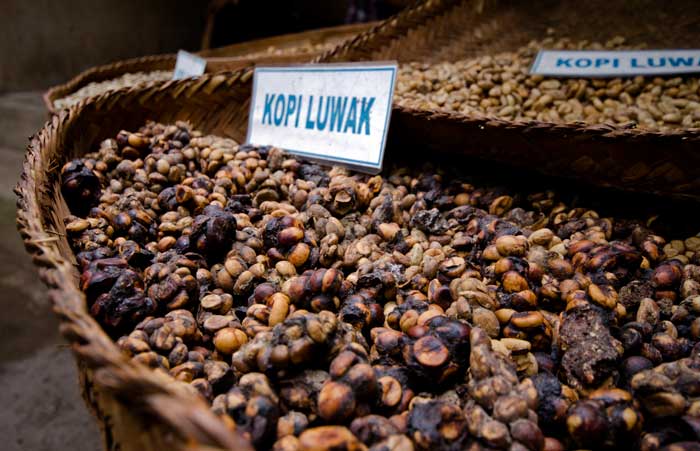
Kopi Luwak is the most famous Indonesian brand of poop coffees across the globe, indeed if you wat the movie The Bucket List, this the brand you will see!
The price is around 1500.00 USD per kilo.
What is Capis coffee? Is it a Peruvian brand of poop coffee?
Capis is a poop coffee brand from Peru, produced in Satipo Province – Junin Region – This place is located in the center part of Peru.
Peru is the third-largest coffee producing country in Latin America; we have the best Coffee Brands like Capis, Tunki, Chanchamayo.
The Process of Capis Coffee:
The Coati or Cat-Monkey (Civet) animals are in charge of “harvesting” or collecting the Best Coffee beans, Guayaba fruits, Lucuma fruits, Pears, Peaches and other exotic local fruits. This fruity mix will enter into a deep fermentation with a unique aroma.
After 5 to 6 hours of digestion the Coati or Civet animals will poop out the coffee beans and the locals will collect them to dry in the sunshine for around 3 to 5 days.
It is very important to know that the locals don´t wash the pooped out coffee beans because they want to keep the aroma.
Once the poop coffee beans are dry, the next process is the heating up or toasting – in order to kill all the bacterias and viruses the poop coffee beans are heated up 200 °C or 392 °F, however, this process will keep the aroma of the coffee, then don´t worry about the bacterias!
Consider that our Capis Coffee has the FDA code, which means the accomplish all international sanitary standards!
How about the Coati animals? Are they treated well?
Don´t worry our Capis Coffee brand is strongly committed with the environment and the good caring of animals, therefore, these animals are like pets in the coffee farmings, they don´t keep them inside cages instead they are trained for where to poop? where to seep? Believe it or not, they have their own toilet, the locals built for them awesome little house-like places made out of wood.
This brand also has the license of INRENA – A Gubernamental Organization to protect animals and natural resources.
What is the price of Capis Coffee?
Our unique poop coffees: Capis cost 50 soles or 15 USD each bag – We have discounts for customers that buy more than 3 pieces!
Where to buy the best Capis Coffee beans? Do you do delivery service in Cusco city center?
At the moment due to the pandemic, we are only operating virtually and making deliveries, please contact us on WhatsApp: +51 997 054 557 (Jhon Peralta)
In Peru, creating a “top” 20 list of its tourist attractions is not an easy task. With so much to see and experience in a country rich in diversity and thousands of years of history, where geographical, historical, and cultural elements come together to form exceptional destinations, it’s quite a challenge.
With this in mind, we present a list that highlights pre-Columbian archaeological sites, protected natural areas, UNESCO World Heritage sites, mountain ranges with sacred peaks, and other extraordinary locations that demonstrate that “Peru has it all,” as the saying goes.
We invite you to discover — through our words and images — the “top” 20 that await you in the ever-changing, magical, and biodiverse land of Peru. We look forward to welcoming you!
1. Historic Sanctuary of Machu Picchu
It is Peru’s top tourist attraction and the pinnacle of pre-Hispanic architecture in South America. Built in the late 15th century under the orders of the Inca Pachacutec, Machu Picchu is a majestic citadel nestled in the high jungle mountains.
Regarded as one of the New Seven Wonders of the World, the “Old Peak” (as its name translates in Spanish) is more than just an archaeological site. The surrounding nature is breathtaking, home to a fascinating variety of flora and fauna that bring life to and enhance this forested sanctuary at 2,430 m a.s.l.
Visited annually by millions of tourists, this world-renowned destination is located in the province of Urubamba, a four-hour journey from Cusco by land and rail. It is also accessible via a section of the Inca Trail (4 days / 3 nights).
2. Chan Chan Archaeological Complex
A city of mud with 9 walled temples featuring zoomorphic representations. A coastal urban area spanning 20 km² that, at its peak, housed up to 100,000 people. This architectural marvel was the centre of power for the Chimú (700 to 1400 A.D.), a pre-Hispanic civilisation in northern Peru.
Chan Chan (meaning “Sun Sun” in Spanish) is archaeological proof that development in ancient Peru extended beyond the Andean region and the advanced social, military, and agricultural organisation of the Inca Empire.
Designated a UNESCO World Heritage Site in 1986, Chan Chan — located 5 kilometres from Trujillo (the capital of the La Libertad region) — is part of the Northern Circuit, a tourism proposal that links several archaeological sites, including the Huacas del Sol y la Luna.
3. Ballestas Islands
Peru is not just about plains and mountain ranges. Its desert coast is home to a diverse array of marine species. That’s what you’ll discover in the Ballestas Islands, a group of small islands off the coast of the Paracas Peninsula (Pisco Province, Ica Region).
Your adventure in the Peruvian Pacific will begin at the El Chaco fishing pier, where boats set sail for the Ballestas Islands. From the sea, you’ll have the chance to spot colonies of sea lions and otters, as well as Humboldt penguins, pelicans, red-legged cormorants, herons, and boobies, among other birds.
After your boat trip, explore the Paracas National Reserve. On your land excursion, you can visit the Julio C. Tello Site Museum, photograph flamingos in their natural habitat, relax on secluded beaches, and admire the striking geography of Peru’s coast, where desert meets sea.
4. Titicaca National Reserve
A legendary place with islands woven with totora reeds, with beaches that seem to be taken from the Caribbean and communities organized to welcome tourists. All this and much more in Lake Titicaca, which in its 8,300 km² of extension shared by Peru and Bolivia, houses 530 aquatic species of flora and fauna.
In Peru, Titicaca, the highest navigable lake in the world (3,812 m a.s.l.), is located in the Puno region. In the city of the same name you will begin your journeys towards the islands of Uros, Taquile and Amantaní, the main sites of interest – but not the only ones – in this giant lake.
5. Nazca Lines and Geoglyphs
One of the greatest archaeological mysteries on the planet is located in Peru. Various theories — from earthly to cosmic and even interplanetary — attempt to explain the origin of the Nazca Lines, whose geoglyphs depict anthropomorphic, zoomorphic, and phytomorphic figures, as well as geometric shapes drawn in the 5th century B.C. across a 500 km² plateau.
Designated a UNESCO World Heritage Site in 1994, the enigmatic lines created by the Nazca peoplecan only be fully appreciated from the air. This unique feature has led to various scientific and mystical interpretations, adding to their mysterious aura.
As you fly over the Nazca Plains (in the province of the same name, Ica Region), you’ll see with “drone’s eyes” the geoglyphs of the astronaut, the spider, the monkey, the hummingbird, the whale, the condor, and other images that may have served as an agricultural calendar or messages to pre-Columbian deities.
6. Historic Centre of Lima
It’s a tourist mistake to think of Lima as just a stopover. Founded on January 18, 1535, by the Spanish conquistador Francisco Pizarro, Peru’s capital boasts a Historic Centre filled with churches, grand mansions, and convents that are true marvels of colonial architecture.
Designated a UNESCO World Heritage Site in 1991, the streets of old Lima lead you to monumental urban spaces such as the Plaza Mayor, the Cathedral, the Convent of San Francisco, the Government Palace, and the Jirón de la Unión, among other sites that transport you back in time.
Take advantage of your visit to explore Peruvian cuisine. The menu features delights like ceviche, lomo saltado, papa a la huancaína, and ají de gallina. For something sweet, try suspiro a la limeña, turrón de doña Peña, or the classic combination of arroz con leche and mazamorra morada.
7. Sacsayhuamán Archaeological Park
Due to its proximity to the Historic Centre of Cusco (just 4 km away) and its massive limestone blocks weighing up to 200 tonnes each (equivalent to the weight of 30 elephants), the Sacsayhuamán Archaeological Park is one of the most popular tourist attractions in the ancient Inca capital.
Historian Humberto Vidal Unda suggests that Sacsayhuamán (3,399 m a.s.l.) served both religious and military purposes. It hosted rituals during solstices and equinoxes and featured a 30-metre high watchtower on its summit, according to the account of Inca Garcilaso de la Vega.
Covering 3,093 hectares, the archaeological park also includes other Inca sites such as Q’enqo, Tambomachay, and Puca Pucara, which will enrich your experience and offer deeper insights into the Andean world.
8. Sacred City of Caral
The mother culture and the cradle of Andean civilisation—that’s the historical significance attributed to Caral, a settlement that flourished between 3000 and 1800 B.C. in the Supe Valley, in the province of Barranca (Lima Region).
Studied by Peruvian archaeologist Ruth Shady, this ancient city will impress you with its circular plazas, pyramid-like structures, and irrigation system designed for agricultural development.
Visiting Caral, just 200 kilometres north of Lima (a 4-hour drive), is essential for understanding the origins of ancient Peruvian civilisations. Take the opportunity during your stay in the Peruvian capital to explore this archaeological site, designated a UNESCO World Heritage Site in 2009.
9. Manu National Park
Rivers, forests, trails, starry skies. The Amazon, with its adventures and sightings: a caiman sunbathing, monkeys leaping between trees, otters fishing in a lagoon, macaws pecking salt at a salt lick, and the elusive footprints of a jaguar hidden in the undergrowth.
Manu, the national park and biosphere reserve, is a destination where you must navigate, walk, and explore beneath towering trees to witness some of the 5,000 species of flora and fauna — many of which are vulnerable or endangered — that thrive in this vibrant jungle.
Covering over 17,000 km² across the Madre de Dios and Cusco regions, Manu is the ancestral land of the Yora, Harakmbut, Mashko-Piro, Matsiguenka, and Wachipaeri, among other Amazonian communities. For this reason and more, it is essential to enter the park with an authorised operator.
10. Huaca Pucllana
Amidst the modern and sophisticated buildings of the tourist district of Miraflores in Lima, lies a pre-Inca archaeological site that has withstood urban development. This historic space serves as a reminder of the Peruvian capital’s heritage, inhabited long before the arrival of the Spanish.
Built with unfired clay bricks, Pucllana is the archaeological legacy of the Lima culture, which thrived between 100 and 700 A.D. After its decline, the Wari occupied this huaca. A visit will reveal its plazas, passageways, ramps, and even a 25-metre-high pyramid.
So, when you’re in Lima, make sure to visit Huaca Pucllana, located at General Borgoño Street S/N. After your tour, treat yourself to a gastronomic delight at the site’s restaurant, where you can enjoy sophisticated versions of classic Peruvian dishes.
11. Baños del Inca
Pachacútec, Tupac Yupanqui, Huáscar, and Atahualpa would set aside their concerns as rulers of the Tawantinsuyo in the waters of Pultumarca (“Hot Place” in Spanish). This was the original name of the Baños del Inca, the main tourist attraction in the city of Cajamarca, in northern Peru.
The Inca dignitaries would visit the baths to benefit from their healing properties and to undergo spiritual purification. History tells us that the first contact between Atahualpa and the Spanish conquistadors took place in these volcanic waters, with temperatures ranging between 70 and 75°C.
Nearby and easily accessible — just 6 kilometres from the centre of Cajamarca — the Baños del Inca is now amodern complex offering various services.
Make the most of your visit by exploring the Callqpuma rock paintings, located 2 kilometres from the thermal waters that once relaxed the children of the sun.
12. Santa Catalina Monastery
Founded in 1579 by Doña María de Guzmán, the first prioress and inhabitant of the monastery, this religious complex in Baroque and Renaissance style is a splendid example of colonial religious architecture in Arequipa, known as the “White City.“
The monastery, constructed with sillar blocks over an area of 20,000 m², features four cloisters, each with streets, plazas, and gardens. Due to its historical and architectural value, Santa Catalina was designated a UNESCO World Heritage Site in 2000.
The cloisters of this city of faith are a living testament to the process of evangelisation of the Andean people and a symbol of the religious fervour of colonial Arequipa. Visit it at Santa Catalina Street #301.
13.Tambopata National Reserve
Due to its proximity to Puerto Maldonado, the capital of the Madre de Dios region, Tambopata is one of the most accessible and well-equipped destinations for exploring the biodiversity of the Amazon rainforest.
Covering an area of 274,690 hectares, Tambopata is home to 632 bird species, 169 mammals, 180 fish, 1,200 butterflies, and 103 reptiles. This vast biodiversity includes several species that are vulnerable or endangered, finding their last refuge in this forest.
One of the reserve’s star attractions is Sandoval Lake, a water mirror where you can observe various species of flora (such as Brazil nuts, bamboo, and aguaje) and fauna (including macaws, river otters, and monkeys). The experience is enhanced by a pleasant and serene boat ride that connects you with nature.
14. Vinincunca Mountain
It is one of the most popular spots in Cusco. Its recent fame can be attributed to its seven distinct colours, which stand out on the slopes and extend to the summit of this majestic mountain within the realm of the Apu Ausangate.
The “rainbow” of Vinicunca is due to the presence of various minerals, such as iron oxide (which creates red and orange hues), copper (which gives green tones), and other compounds that produce the yellow, blue, and violet shades, enhancing the mountain’s vibrant appearance in the Pitumarca district, Canchis Province.
Accessing Vinicunca is not easy. You’ll need to trek up to 5,200 m a.s.l. so acclimatisation to the altitude is essential. We recommend hiring the services of a local operator to ensure a more pleasant and safe experience.
15. Choquequirao Archaeological Park
An experience reserved for those who love hiking and exploring, the trek to Choquequirao involves 60 kilometres and four days of walking (round trip) along a winding trail that varies in incline and descent, altitude and depth, lush greenery and snow-capped peaks on the horizon.
This is the route to Choquequirao, the “Cradle of Gold” (its meaning in Spanish) and the last stronghold of Inca resistance. Built during the reign of Tupac Yupanqui, it bears striking similarities to Machu Picchu. During the Tawantinsuyu era, it was a strategic connection point between the Andes and the Amazon.
Located in the district of Santa Teresa (La Convención Province, Cusco), Choquequirao combines archaeology and nature. Its plazas, residential areas, and terraces (highlighted by the “llamas of the sun” carved in limestone) stand in a geographic area inhabited by the Andean fox, the condor, and the spectacled bear.
If you enjoy adventure, the “Cradle of Gold” is waiting for you. While you can undertake the trek independently, we recommend hiring the services of a local operator or guide for a more enjoyable and safe experience.
16. Huascarán National Park
Named after the highest mountain in Peru and the iconic peak of the Cordillera Blanca, this geographic region is home to 712 glaciers, 300 lakes, and 41 rivers that feed into the Pacific Basin. This natural space is inhabited by Andean wildlife such as condors, vicuñas, pumas, spectacled bears, and vizcachas.
Established in 1975 and covering an area of 340,000 hectares, the park is a destination for nature and adventure. Hiking and climbing are tempting activities here. The challenge is set, but don’t worry about the difficulty—there are trails suitable for both beginners and experts.
Huaraz, the capital of the Áncash Region, is the main starting point for exploring Huascarán (6,768 m). In the city, you will find specialized operators for trekking and mountaineering. You can also visit the main attractions independently, but always do so with care and caution.
17. Sacred Valley of the Incas
History, mysticism, archaeology, and scenic beauty near the imperial city of Cusco. These are some of the reasons that make this fertile valley and its array of pre-Hispanic towns, such as Pisac, Calca, Yucay, Ollantaytambo, among others, an exceptional tourist destination.
Due to its agricultural productivity and strategic location between Cusco and the jungle, the Sacred Valley was a significant administrative and religious centre for the Inca. The standing archaeological sites and terraced fields still in use are testaments to its remarkable past.
Located in the Urubamba Province, the valley will not only captivate you with its archaeological sites like Moray, Huchuy Qosqo, Pisaq, and Ollantaytambo, but your travel experience will also be enriched by other offerings, such as immersive tourism and a variety of adventure activities (hiking, cycling, rafting).
18. Gocta Waterfall
With its two powerful cascades reaching a total height of 771 metres, Gocta Waterfall is the third highest in the world. In 2002, German explorer Stefan Ziemendorff amazed the world by announcing his measurement of Gocta, locally known as La Chorrera.
Gocta is accessible from the villages of San Pablo de Valera, Cocachimba, and La Coca (in the Bongará Province, Amazonas Region), which can be reached by road from Chachapoyas, the regional capital (a 45-minute drive). From there, you will need to walk or ride a horse, with the distance varying depending on your starting point.
The trails are well-marked, and you’ll find various services in the villages, so your only concern will be to absorb the energy of nature and experience the power of Gocta’s waters.
19. Royal Tombs of Sipán Museum
In 1987, Peruvian archaeologist Walter Alva discovered the tomb of a Moche ruler from the 7th century A.D. at Huaca Rajada in Lambayeque. This find made global headlines as it was the first intact burial of such magnitude ever uncovered on Peru’s northern coast.
The Lord of Sipán was not alone in his tomb. His burial included the bodies of his concubines, a military leader, a soldier with amputated feet, a watchman, a child, a dog, and two llamas. Additionally, around 600 gold and silver objects and jewels accompanied him as part of his funerary goods.
Since 2002, the Royal Tombs of Sipán Museum (Avenida Juan Pardo Vizcardo y Guzmán 895, Lambayeque) has housed the remains of the Moche dignitary and the valuable artefacts found at Huaca Rajada. Visiting its exhibits will provide insight into the significance and power of the pre-Hispanic civilizations of northern Peru.
20. Salkantay Mountain
In Andean cosmology, this apu of the Vilcabamba mountain range was believed to control the climate and agricultural fertility.Salkantay (6,271 m) was the most ancient and significant deity for the Incas, according to the chronicler Polo de Ondegardo. In its honour, the Sun worshippers performed rituals and made various offerings.
Centuries have passed, and although the conquerors imposed a new religion in the Andes, the reverence and affection for the mountains persist. Today, the Salkantay, in the province of La Convención, draws and attracts climbers who wish to conquer its summit via the standard route on its northeast face.
This is a challenge reserved for mountaineers. If you are not one of them, consider exploring the Salkantay trekking routes. These offer an alternative to the famous Inca Trail, winding its way towards the magnificent Machu Picchu.
Peruvian culture boasts a cocktail that transcends borders: the Pisco Sour. This beverage is not only a delight for the senses but also represents the national pride of Peru. You will explore the history, secrets, and charm that make the Pisco Sour a symbol of Peruvian identity.
From its mysterious origins to its international recognition, you will discover why the Pisco Sour is an emblem of the cultural richness and distilled ingenuity of the beautiful Andean country. Get ready to immerse yourself in the very essence of Peru through its national drink!
Pisco Sour vs Pisco: The Pisco Sour is the cocktail, while Pisco is the Spirit (30 to 40% alcohol).
2. History of Pisco Sour
Its origin dates back to the early 20th century in the bars and taverns of Lima, although the narrative of its creation is shrouded in a mist of mysterys and legends
One of the most told stories claims that the Pisco Sour was created by bartender Victor Vaughen Morris, an American who settled in Bar Morris in Lima in the late 1920s. Morris was inspired by the Peruvian tradition of Pisco and decided to mix the grape brandy with lemon, sugar, ice, and egg white, giving rise to the magical formula that we know and love today, however, the creation of the Pisco Sour is believed to be a tribute to the fusion of cultures where both immigrants and Peruvians contributed to the evolution of this delicious cocktail.
Over the last few decades, the Pisco Sour has earned a special place in the hearts of Peruvians. Its status as the national drink was officially consolidated in 2007, and the Peruvian government declared the first Saturday of February as “Pisco Sour Day.”
3. Essential ingredients
The Pisco Sour, the national drink of Peru, is known for its unique blend of flavors and its balance between sweetness and acidity. The main ingredients to prepare a classic Pisco Sour are:
Pisco: This is the star ingredient and the alcohol base of the cocktail. Pisco is a grape brandy, distilled in the coastal region of Peru, and comes in various varieties such as pure, aromatic, and mosto verde.
Lemon Juice: Lemon provides freshness and balance to counteract the sweetness of the simple syrup.
Simple Syrup: Adds a touch of sweetness and helps balance the flavors.
Egg White: The egg white is used to give a smooth and frothy texture to the cocktail, creating the characteristic foam layer on top.
Ice: Used to chill and dilute the cocktail.
Angostura Bitters (optional): A few drops of Angostura Bitters on top of the Pisco Sour can add an aromatic touch.
4. Types of Pisco
The main classifications that we will show you are based on the type of grape used and the distillation process.
Pure Pisco (Quebranta Pisco): This type of pisco is primarily made from the Quebranta Grape, which is a highly representative variety of Peruvian pisco. It has a robust flavor and is known for its dry and strong character.
Aromatic Pisco: This type of pisco is produced from aromatic grapes such as Italia and Moscatel. These grapes contribute floral and fruity notes to the pisco, resulting in a smoother and more perfumed brandy.
Mosto Verde Pisco: In the production of Mosto Verde Pisco, unfermented grape juice is used, which still contains sugars. This results in a sweeter and fuller-bodied pisco.
Acholado Pisco: Acholado Pisco is obtained from the blend of different grape varieties, both aromatic and non-aromatic.
Black Grape Pisco (Mollar Grape): This pisco is made from specific red grapes of the Mollar variety. Black Grape Pisco has a distinctive flavor profile with fruity notes and a darker color.
5. The Art of Preparing a Pisco Sour
Basic instructions:
In a shaker, combine 2 oz of pisco, 1 oz of simple syrup, 1 oz of lime juice, and the egg white.
Add ice to the shaker and shake vigorously for about 15-20 seconds to achieve a well-blended mixture.
Strain the mixture into a sour glass or lowball glass.
If you prefer, you can add a few drops of Angostura Bitters on top for decoration and to enhance the aroma of the cocktail.
Serve and enjoy this Peruvian classic!
Remember that the proportions can be adjusted according to your personal preferences. Bottoms up!
6. Pisco Sour Variants
The Pisco Sour is a versatile cocktail and although the basic recipe is quite consistent; however this may vary.
Passion Fruit Pisco Sour:
Pisco
fresh lemon juice
Passion fruit syrup
egg white
Ice
Mango Pisco Sour:
Pisco
fresh lemon juice
mango puree
Jelly syrup
egg white
Ice
Strawberry Pisco Sour:
Pisco
fresh lemon juice
Strawberry puree
Jelly syrup
egg white
Ice
Basil Pisco Sour:
Pisco
fresh lemon juice
Basil syrup
egg white
Ice
Yellow Chili Pisco Sour:
Pisco
fresh lemon juice
Jelly syrup
Yellow chili pepper (Peruvian hot pepper)
egg white
Ice
Cocoa Pisco Sour:
Pisco
fresh lemon juice
cocoa syrup
egg white
Ice
7. Combination with Peruvian food
The Pisco Sour is a versatile cocktail that pairs well with a variety of Peruvian dishes, especially those with fresh and vibrant flavors. Below, we present you with a list of typical Peruvian dishes that go very well with the Pisco Sour:
Ceviche
Tiradito
Barbecue
Octopus on the grill
Seafood Stuffed Avocado
Limeña Cause
Chorrillana fish
Quinoa with Roasted Vegetables
8. Pisco Sour Celebrations
The Pisco Sour is the protagonist of several festivals in the country and around the world, these events celebrate the rich tradition and diversity of this iconic drink.
National Pisco Sour Festival: This festival is celebrated in different regions of Peru, showcasing the diversity of Piscos and the creativity of bartenders. It includes competitions, tastings, and the opportunity to enjoy various variations of the Pisco Sour.
Pisco Sour Day: Celebrated on the first Saturday of February in Peru, it is a national holiday that pays tribute to this iconic drink. On this day, bars and restaurants typically offer promotions and special events to celebrate.