Sign up with your email. We will send you a verification email.
Already have an account?
Recover password
Enter your email and we will send you a link to reset your password.
Remembered your password?
Author: FWTP
Tired of visiting the same places over and over again? Would you like to discover new spots that go beyond the usual tourist attractions in the imperial city of Cusco? If so, you’re in the right place.
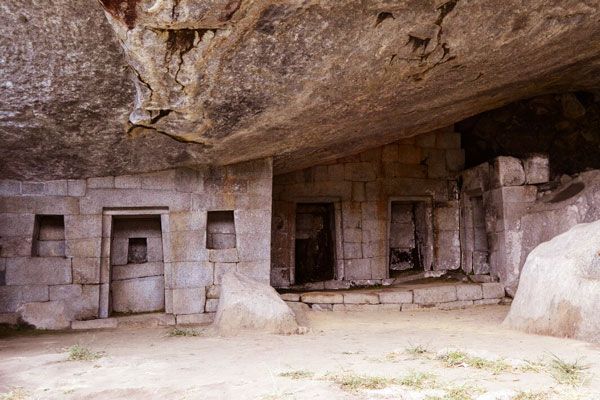
The Moon Temple of Cusco is a sacred structure carved into rock that has withstood the test of time since the Inca era. It’s a lesser-known site that you can visit with a guide—or, if you’re feeling adventurous, you can explore it on your own or with family and friends.
The best part? Visiting this site is completely free, as access is open to the public. However, we do recommend going during daylight hours, as it can be a bit unsafe at night due to its remote and unmonitored location.
1. History of the Moon Temple in Cusco
The structural description of the Moon Temple in Cusco is closely linked to its functional and morphological characteristics, as well as to the writings of certain chroniclers who noted the distinctive features that set it apart from other surrounding structures.
The Moon Temple dates back to the Inca period (1428 AD – 1532 AD). It was built and carved into a large rock outcrop, both inside and out, with both areas holding great importance. These spaces were used for rituals and ceremonies mainly dedicated to the Moon Goddess (Mama Quilla), as well as other deities like Mother Earth (Pachamama).
Representation of the Inca Moon Goddess (Mama Quilla)
The Sacsayhuamán Archaeological Park is made up of around 96 archaeological sites, with the Temple of the Moon being one of the most unique due to its strong cosmological significance. Its limestone structure features a deep central divide, which, according to some historical texts, served as a passageway. Local legends say it guided worshippers to an audience with the Moon Goddess. The outer area, meanwhile, was the sacred space where rituals and sacrifices dedicated to the Moon Goddess were carried out.
View of the Temple of the Moon from both inside and outside the complex. The rock-carved figure shown in the image on the right represents the Moon Goddess.
Andean cosmology continues to play a significant role even today, as respect and devotion to many spiritual deities—such as the Moon Goddess (Mama Quilla) and Mother Earth (Pachamama)—are still very much alive. These two deities, in particular, are considered extremely important because they are directly linked to the fertility of the land and agriculture, an essential activity from Inca times to the present day.
This deep-rooted belief explains the importance of offerings to the deities, which were highly popular during the Inca period. Through these rituals, the Inca society expressed gratitude for bountiful harvests—especially when there were farming lands dedicated exclusively to the Inca Gods. You simply can’t miss this mysterious site—it’s something you can explore on foot!
2. What to do at the Moon Temple?
Take a walk from the city of Cusco to the Moon Temple and discover what surrounds the enigmatic Moon Temple. Make sure to come prepared, as the walk takes approximately 40 minutes to an hour.
If you enjoy esoteric activities, you should visit this temple and make an offering dedicated to the Moon Goddess or Mother Earth. You can bring: coca leaves, chicha, grains, etc., and make your wishes. Remember, this is a place of worship and respect for a Goddess who provides fertility—not only to the earth, but she can offer fertility in all aspects of life: in health, for it to flourish within you; in work, so you never lack it; in love, for it to forge strong and lasting roots. Entrust yourself to the Moon Goddess with devotion and respect, and make your best wishes!
This is a magnificent place, and if you visit during the autumn season, you can enjoy a picnic around the area and take in the view of the temple, the radiant sun, and the vistas not only offered by the temple itself but also by the surrounding areas. So, bring your snacks and enjoy a warm yet cool day in the company of nature!
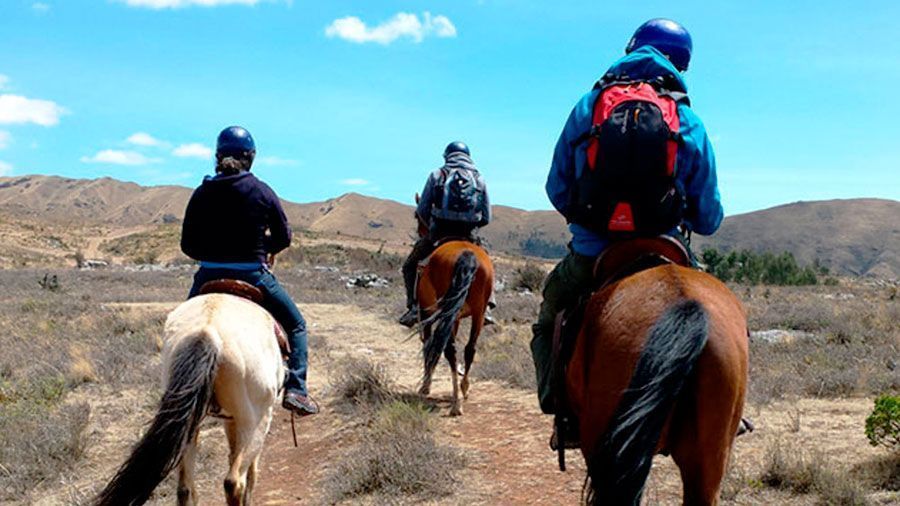
If you’re an adventurer who doesn’t enjoy walks because they can be exhausting, you can visit this place on horseback. The experience won’t change much, but you must be careful of where you go—remember, horses are not all-terrain vehicles!
3. How to get to the Temple of the Moon in Cusco? Where is it?
By Taxi or Public Transportation (Bus):
If you’re in the city of Cusco, getting to this place by taxi will take approximately 15 minutes. Pay a maximum of 15 Soles or 5 USD!.
If you don’t want to pay for a taxi, you can take a public bus from the main door of Colegio Rosario in the historic centre of Cusco. The public transport company you need to take is called “Cristo Blanco.” Pay 1 sol, get off at the Qenqo bus stop (20 minutes), and from there, you can walk to the Temple of the Moon (10 minutes). You’ll find many people along the route (around 10:00 AM), so don’t worry.
On your way back, you can take a bus again at the Qenqo bus stop and get off at the same stop where you started this journey, or any other stop near the historic centre.
By foot:
If you are in the Historic Centre of Cusco, walking to the Temple of the Moon will take you between 40 minutes to 1 hour. To start your journey, head to Atoj Saykuchij Street (don’t confuse it), which is located in the San Blas district. The first thing you’ll notice is that the slope is quite steep. You should keep going uphill towards the mountain, and if you follow the paths correctly, you’ll reach an asphalted road where you will see the statue of Cristo Blanco. Start walking along the paved road towards Qenqo, and once you arrive at Qenqo, continue walking through the potato fields until you reach the Temple of the Moon.
4. What are the opening hours?
Every day from 6:00 hours to 17:00 hours.
5. What is the price?
The Temple of the Moon is not part of the “Tourist Ticket” therefore visiting this place is completely Free.
6. Where can I find a Tour Guide Service for this place?
If you want to take a walking tour to this place, you can contact us. In addition to the quality with which we provide service to our dear visitors, we offer wonderful experiences!
7. Important recommendations
Visit the Temple of the Moon during the day (preferably in the mornings). If you’re in the city of Cusco, you should head to the Temple of the Moon no later than 9:00 AM. The earlier, the better, as the sun won’t be too intense, but still warm.
Always wear warm clothes, don’t forget! The weather in Cusco is very changeable!
Bring some coins with you (in case you want to buy a souvenir), water, hats or caps, and a good camera!
How to get to Rainbow Mountain Peru – Vinicunca Mountain| According to geology, the mountains of the Peruvian Andes were formed by horizontal collisions of the tectonic plates that resulted into vertical increases of the mountains towards the upper parts; this is the main formula that explains the origin of most of the mountains worldwide. We also have to consider other climatic events such as snow, winds, rain, etc.
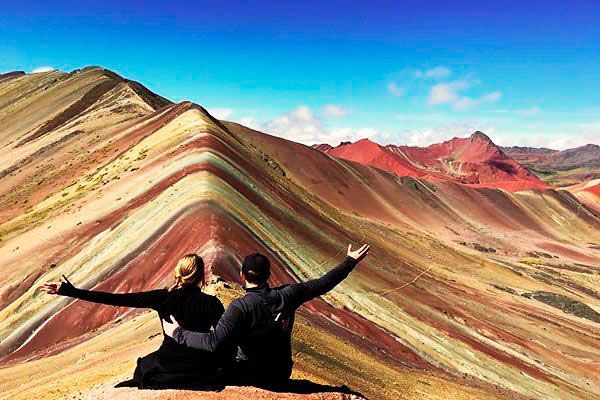
The classic rainbow mountain of Cusco or Vinicunca, was formed approximately 24 million years ago with sediments or minerals such as gravel, halite, sandstone and limestone from different colors such as red, yellow, ocher, purple, green, pink, blue , etc.
The abundance of ice that covered these mountains until a few years ago made it possible to preserve the minerals at the top of the mountain, preventing erosion of the minerals.
Due to the global warming that is currently happening, thawing of the ice that once covered the entire mountain happened. If this climate event had not occurred, would wouldn’t know anything about this attraction.
How far is Rainbow Mountain from Cusco?
The cclassic rainbow mountain of Cusco or Vinicunca is located in the southern part of Cusco at 5200 meters above sea level (17060 feet) , in the province of Canchis among the communities of Pitumarca, Llaqto and Pampa Chiri which share the possession of this natural attraction.
Note that this colorfull mountain is not under the control of the Ministry of Culture, nor do we believe that this will happen in the near future, for example Machu Picchu is under the administration of the Ministry of Culture, but this system doesn´t benefit the indigenous populations who live around to Machu Picchu, this is the main reason why the native people from the Rainbow Mountain do not want the government intervention for administration and preservation.
Weather:
The weather on the Andes of Peru and the Rainbow Mountain is dry, cold, at higher altitude there is less oxygen, more wind, and you feel like the Sun is burning your skin, because of the sea level elevation. For example, the Rainbow Mountain is located at 5200 meters above sea level, which means we are 5200 meter closer to the Sun and that is why you feel “the burn” of the sunshine. The temperature can drop to 0 °C (32 °F) between June and August.
Fauna and Flora:
The most important animals from the Andes of Peru is made up of Andean camelids such as the Llamas, Alpacas, Vicuñas and also other animals such as Chinchillas, Pumas, the Foxes, the Paddington Bear and the Condor. If you go to the rainbow mountain, you will probably see Llamas and Alpacas because they are domesticated animals however, it is hard to see the wild animals.
The flora of Vinicunca is mainly composed of the Straw or “Ichu” in the Quechua language, it is a natural fiber that is used to make “adobes” (mud bricks), roof houses, even to make suspension bridges, such as the famous Queswachaka Inca Bridge.
What are the colors of Vinicunca Rainbow mountain?
Well, we always hear about the 7 colors, but the truth is that there are many more colors, between primary and secondary, for example: red, yellow, blue, violet, orange, green, etc.
If you like to capture the sharpness of a photo, you will need a super sunny day and a camera with great lenses and awesome angle.
When is the best time to go Vinicunca Rainbown Mountain?
On the Peruvian Andes there are two different seasons of the year: the rainy season (December to March) and the dry season (April to November).
Advantages and Disadvantages of going to the Mountain in the dry season:
Remember that this season coincides with the high season of tourism in Cusco.
Advantages:
Super sunny days.
The best pictures.
Disadvantages:
It is difficult to take a good “selfie” on the mountain because it is is crowded with lots of tourists.
It is sometimes hard to find cheap prices.
Advantages and Disadvantages of going to the Mountain in the rainy season:
Advantages:
Super low prices.
You can take your dream picture with the mountain of colors because there are not many tourists.
Disadvantages:
The rain.
Snow, sometimes the whole mountain is covered by snow, if this happens to you you can visit the red valley as an alternative option.
Our recommendation
If you want to ensure a good experience, visit it in the dry season.
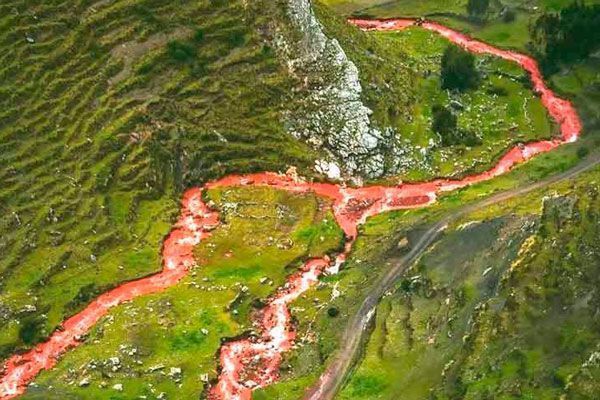
You can also take an alternative tour to a different rainbow mountain known as Palccoyo, on this tour you will also see the stone forest and the red river.
What can I do on Rainbow Mountain?
Most people travel to Vinicunca Rainbow mountain to take good photos because it is trendy, but there is much more to do than just take a picture:
You can enjoy the fauna, you can see mammals and birds, if you love Andean landscape photography, this is the best destination in Cusco, unless you want to go to the Amazon.
There are many indigenous communities that live on the route to the 7-colored mountain, you can interact with them, they are very friendly people, you may find difficulty with the language because they don´t speak Spanish or English (they can understand Spanish but no speaking).
You can explore the red valley, which is half an hour from the Vinicunca rainbow mountain, although most agencies don´t offer this service included in their tour prices, but you can do it on your own.
How do I get from Cusco to Vinicunca Rainbow mountain on my own?
How long and Distance of the Short Route
From Cusco city to the community of Llaqto there are approximately 100 kilometers, please follow below instructions:
Take your bus in the city of Cusco, as early as possible, we suggest you to do it in between 5am and 6am.
Cusco to Cusipata by bus, in Cusipata you can have your breakfast – IMPORTANT: Take the buses that go to Sicuani city but get off BEFORE at CUSIPATA town– 2.5 hours of bus ride – The buses that go to Sicuani city are located on Avenida Manco Capac N ° 802 – Please confirm the departure times of the buses and the address of their terminal with IPERU (IPERU is located at the Plaza de Armas of Cusco, next to the church of the Compañía de Jesús) or you can just call them, dial + 51 84 237364, they speak Spanish and English.
Cusipata – Llaqto by taxi or Colectivo(small buses like a Van), 45 minutes car ride – pay 30 Soles for a taxi, however for Colectivo pay just 5 Soles.
Llaqto to Vinicunca Rainbow mountain on foot, in the Llaqto community you can hire a horse, if you wish.
On the way back there are Colectivos and taxis in Llaqto community, board one of them to Cusipata.
Buy your lunch in Cusipata town.
Take any of the buses that normally come from Sicuani city, but they stop in Cusipata town.
Any questions don´t hesitate to ask local people, they are very helpful people.
Approximate price on own account
Route
Price in Soles
Price in Dollars
Cusco to Cusipata (Round Trip)
15 Soles
5 USD
Cusipata to Llaqto (Round Trip)
10 Soles
3 USD
Local breakfast in Cusipata
5 Soles
2 USD
Local lunch in Cusipata
10 Soles
3 USD
Entrance fee for the Rainbow Mountain
10 Soles
3 USD
Transfer by horse* (Roundtrip)
100 Soles
32 USD
Snacks (cookies, water, etc)
10 Soles
3 USD
Total cost
160 Soles
52 USD
* The price can change if you don’t want to hire a horse, but you will probably need other things such as walking stick, a rain poncho, etc.
Recommendations for you to travel on your own
Try to leave Cusco as early as possible, buses to Sicuani normally operate from 5am, please confirm this information with IPERU.
Don´t check the good weather conditions on the internet to confirm your trip to the rainbow mountain, because the climate on the Andes is 90% unpredictable.
Don´t worry about safety, because traveling to the rural areas of Cusco is 100% safe, the people who live in the countryside have very strict rules against anyone who may alter the peaceful order of their communities.
How do I get from Cusco to Vinicunca Rainbow mountain via Tour Agency?
You will find hundreds of travel agencies that offer the Vinicunca Rainbow mountain, they generally offer 1-day or 2-days program, almost all of them include food, transportation, tour guide and oxygen; However most of them don´t include the Red Valley, dinner and tips.
If you want, you can go to the Plaza de Armas of Cusco, you will find several operators, prices vary based on the legality of their activity, the prestige of the company, the quality of the tour guide and food, etc.
We also offer the tour to the Vinicunca Rainbow Mountain, you can contact us via mail, to ensure the good experience of our services you can see our comments on TripAdvisor and Faceook!
Tour price via travel agency
The prices are highly variable, we think that it is good to pay an average price, for example in the Plaza de Armas they offer this service for up to 50 Soles, other prestigious companies sell it for up to 300 Soles, we recommend you pay an average of 70 to 120 soles maximum (about 25 to 35 USD), remember that sometimes cheap is expensive.
We assure you the legality of our activity, good breakfast and lunch, air-conditioned buses, moderately small groups and most importantly a Super Guide, visit the following link to get a quote for the rainbow mountain tour.
For how long do I walk to get to the Rainbow Mountain?
Keep in mind that everything mentioned in this article is based on the short route to the 7-colored mountain, the one-way walk is maximum 40 minutes, and the return is about 30 minutes, the walk is hillside, it does not include a lot of climbing.
There is the long route that includes a 4-hour walk in total, which we do not recommend because it is too tiring, take the short route that starts from the Llacto community.
Difficulty level of the Rainbow mountain
Good physical condition is required, if you have asthma problems, high blood pressure, etc. Please don´t do it, remember that up on the mountain you will not find medical help, if you really want to do this tour eventhough your physical conditions are not the most favourable, we suggest you hire a custom tour with private tour guide, assistant tour guide and a horseback.
If you come from the coast line which means you normally live at sea level, please stay in the city of Cusco for at least 1 day so that you can acclimatize.
What to bring to the Rainbow mountain?
Sunglasses – this is very important, sometimes a lot of snow falls on the mountains and at the same time the sun is heating, the reflection of the sunshine into your eyes may seriously damage your eyes, so never forget your sunglasses.
Sunglasses – this is very important, sometimes a lot of snow falls in the mountains a day before you do the tour and when you are already on the mountains it is a super sunny day, this fact makes the reflection of the Sun very strong and it can seriously damage your eyes, so never forget your sunglasses.
Sunscreen.
Good trekking shoes.
Warm clothing, such as jackets, sweaters, shawls, etc.
Hat or cap.
A rain poncho, the weather on the Andes is very unpredictable.
Walking stick – this is optional.
Pills for Soroche or high altitude sickness, please buy one of those pills in Cusco.
What is the price for the Vinicunca Rainbow Mountain?
Buy the e entrance fee the same day of your tour; pay it to the Indigenous people.
Visitor
Price in Soles
Price in Dollars
Peruvian visitor
5 Soles
2 USD
Foreign visitor
10 Soles
3 USD
How to buy the ticket?
You can purchase the entrance fee the same day of the tour before entering the attraction, there is no limit, so don´t worry.
You cannot buy the entrance fees in Cusco; remember that this attraction is under the administration of the indigenous communities who live nearby the Rainbow Mountain.
You cannot buy online, the purchase is in person, pay in Soles or Dollars, preferably Soles please!
The best time to visit Cusco | Cusco is the Mecca of Cultural Tourism in South America, it has an ancient history as Cusco city and Cuzco region, Cusco is the place where defining historical events happened and changed the Horizon of Latin America, such as the Tupac Amaru II rebellion in 1781 or the birth of Clorinda Matto de Turner, the first female novelist in Peru.
In Cusco you will find the best attractions for cultural tourism and eco-tourism, for example the historic center, the Plaza de Armas, Saqsaywaman, the Sacred Valley, Ollantaytambo, Choquequirao, Humantay lake, the Rainbow Mountain, and the most important attraction Machu Picchu and Huayna Picchu mountain.
In this city you will also find the most popular celebrations from Peru, such as the Inti Raymi, Corpus Cristi and Santurantikuy.
1. Useful Data of Cusco
Cusco has been for thousands of years, the cradle of the Andean civilization, during the Inca Empire it was the capital city, the Rome of South America, when the Spaniards arrived at Cusco city in the 15th century the population was 20 thousand inhabitants living in this city.
En 1534, llegan los españoles y cambian el diseño urbanístico de la ciudad, y también se destruye el 80% de la ciudad Inca. La ciudad que visitarás es en un 60% colonial, 30% republícano y un 10% Inca.
In the colonial or Spanish period, Cusco was still very influential from the religious point of view, note that the first Art School of South America was founded is in Cusco known as “La Escuela Cusqueña“. In this School of Art, about 20 thousand of oil canvases were painted, and you see them nowadays in the main colonial churches of Peru, Ecuador, Bolivia, Argentina and Chile.
The Original Indigenous name of this city is “Qosqo“, but due to a phonetic matter of the first Conquerors, the Spaniards changed to Cusco; Qosqo in the Quechua language means the “Center of the Universe“.
The city of Cusco is located in the southern part of the Andes of Peru, at 3400 masl, it has a population of about half a million inhabitants.
We use the term Cusco to address both the city and the region, however the region of Cusco has a population of 1.5 million inhabitants.
You can write it Cusco or Cuzco, both are grammatically correct.
UNESCO declared the historic center of Cusco World Heritage Site in 1983.
The tourist infrastructure of Cusco is very good; you will find hotels, hostels, restaurants, bars, discos, recreation areas, etc. However, Cusco doesn´t have its own International Airport, so if you want to travel to Cusco you will have to stop in Lima.
Cusco is cold and dry, temperatures vary from 0 ºC (32 ºF.) to 21ºC (70 ºF), the weather all in all is good just make sure you wear the appropriate clothes at all times.
It is very windy and cold at night (especially in the months of May and July), during the day time the Sun literally burns your skin, note that we are 3400 meters closer to the sun than all people living at the cost line or sea level.
3. What are the weather seasons in Cusco?
The Andes of Peru and Cusco have two seasons, the dry and the rainy season.
3.1 The Dry Season
It begins in the middle of April and ends in mid-November, the driest months are June and July.
It doesn´t mean that during April and November never rains, from time to time there some showers.
The days during the dry season are super hot, reaching 21°C and the nights are super cold dropping to 0 °C – The numbers suggest that 21 °C is not as hot as 35 °C in the city of Lima , this is a wrong concept because Cusco is literally 3400 masl, which means we are closer to the sun, so 21 °C is really hot.
During April and November we cultivate and harvest the potatoes, so if you like rural tourism, you can choose these months to see the most beautiful Andean landscapes.
We cultivate corn on September and haves in March (rainy season).
During April and November we cultivate and harvest the potatoes, so if you like rural tourism, you can choose these months to see the most beautiful Andean landscapes.
3.2 The Rainy season
It starts in mid-November and ends in mid-April.
During this season the rain is incessant, especially in the months of February and March.
We harvest the corn on March, so going to the fields is a good option to enjoy the andean nature.
Note that the agriculture of the Andes depends 80% on natural irrigation, so the rain is very good for the agricultural sector of the Andes, not everything is bad.
4. When to visit Cusco?
On the Dry Season:
We recommend visiting Cusco between April and November (this may change for Lima and the coastline of Peru).
During these months, the days are super sunny and the probability that it will rain is very low, thats is why during the dry season there are no mudslides or flight cancellations.
On the other hand, the prices of the excursions and accommodations are not very cheap, the tour attractions are crowded.
All in all, visit Cusco during the dry season to assure the best experience ever.
On the Rainy Season:
If you love, you can also visit Cusco between the months of December and March (rainy season), the tourist infrastructure is always in operation all year round, just be positive regarding the weather.
Keep in mind rainy season doesn´t mean everyday rainy day.
If you visit Cusco on the rainy season the accommodation, flight tickets, tours, restaurants are very cheap.
In Conclusion, visit Cusco on the rainy season if you are not keen to spend a lot money.
5. How many days do I have to be in Cusco?
5.1 The “Obligatory” places to visit in Cusco are:
If you want a full experience in Cusco, you will need at least 12 days.
6. What is the cheapest month to travel to Cusco?
There are two months of the year in Cusco: February and March, during these months the prices of excursions and accommodations are super cheap.
7. What is the best month to travel to Cusco?
Well, it is a little difficult to choose a specific month to travel to Cusco; it will depend a lot on your expectations as a traveller:
If you like sunny days, then visit Cusco in June, note that both Inti Raymi and Corpus Christi are celebrated on this month, so the good experience is warrantied.I
If you are looking to spend a good family vacation at Christmas, the month of December in Cusco is the best time because we celebrate the “Saturantikuy” festival; this festivity gathers hundreds of artisans in the Plaza de Armas.
If rain is not a problem for you, we recommend you visit Cusco in February, on this month there is a great chance for you to visit the Red River and Palccoyo Mountain.
In Conclusion, if you want to make sure of the best experience of your life in Cusco, come to this city during the dry season, especially in June.
The ones marked in green are the holidays you should never miss.
Ollantaytambo Festival – January 6: The Feast of the Three Kings is held in Ollantaytambo city, there is a big religious procession with great folkloric dancers.
Fiesta de San Sebastián – January 20: It is a religious festival with great folkloric dances and traditional food festivities.
The Cusqueño Carnival – in February: February is the happiest month for people of Cusco city, full of folkloric parades, locals also play with balloons filled with water.
Lord of Tremors or The Black Christ – Mids of March and first week of April: A Catholic holiday that has been celebrated since the mid-seventeenth century.
Cruz Velacuy or Feast of Crosses – May 2
Qoyllur Rit’i – in May: If you like living culture, then participate in this millennial pilgrimage event, we are 100% sure, you will love it.
Qorpus Christi – in June: It is a colonial and Catholic festival that is celebrated in Cusco; the 15 Saints will be taken out on the streets so that they can bless the people of Cusco.
“Inti Raymi” or the Sun Festival – June 24: It is the most important Inca festival in Cusco.
Feast of the Lady of Carmel – July 15-16 in Paucartambo: Visit the Carmel Lady in the city of Paucartambo, live up the Catholic tradition of this town.
“Pachamama Raymi” – Mother Earth Day – August 1: We are Catholics, at least the majority of us, but we never forget Mother Earth.
Señor de Huanca – September 14 in Calca: Catholic pilgrimage festival that has been taking place since the 18th century.
Santurantikuy Festival – December 24: it is a colonial festival that takes place in the Plaza de Armas of Cusco and gathers hundreds of artisans from the city of Cusco and rural areas, they show their best master pieces.
9. What to bring when you travel to Cusco?
It will depend on the activity you will do in Cusco; below we recommend you the most essential ones:
Warm clothes.
Light backpacks for a short walks.
Rain poncho.
Hat or caps.
Sunscreen.
Mosquito repellent.
Waterproof jacket.
Anti slippery shoes, especially if you are going trekking, buy yourself some good shoes in your country..
10. Frequently Asked Questions – FAQS
10.1 Is Cusco safe?
Of course, it is! – But as in any city in the world, you always have to be careful.
10.2 Is Cusco cheap?
Everything you find near the Plaza de Armas and the San Blas neighbourhood is not cheap, however the rest of the historic center has affordable prices to stay and eat.
10.3 Should I reserve my accommodation in advance?
No, there are many accommodations for all demands, but always check their comments before reserving.
10.4 Should I book my tours in advance?
It will depend a lot on what type of tour, for example if you wish to visit Huayna Picchu mountain, you have to book in advance because the tickets are usually sold out, it is the same situation for the Inca Trail.
In Conclusion, we advise you to at least get a quote in advance for any excursion in Cusco, you don´t necessarily have to book and pay for the tour in advance except for a few of them.
10.5 When is the worst time to travel to Cusco?
None, you can visit Cusco on any day of the year.
10.6 Where to stay in Cusco?
There are many options, we advise you to stay in the historic center or Wanchaq district.
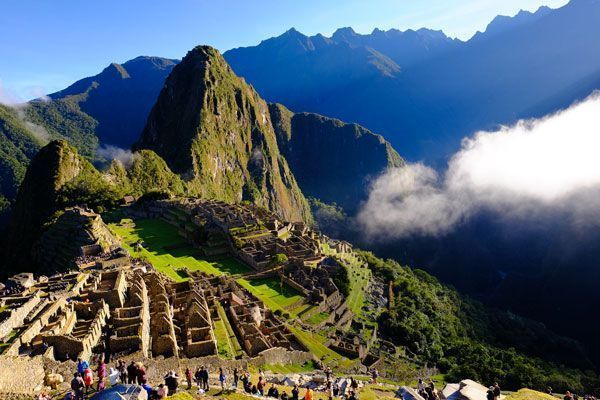
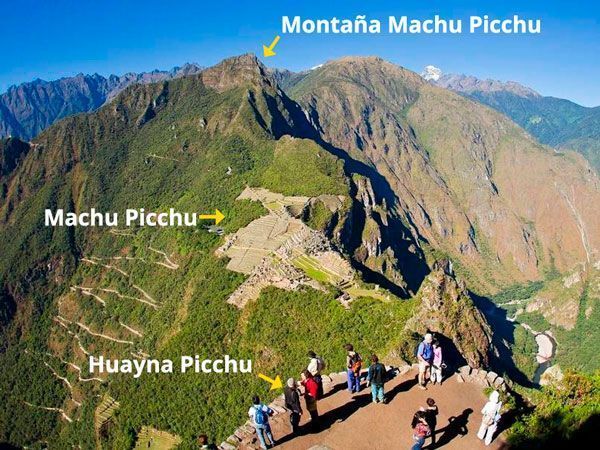
Huayna Picchu Hike | Climbing the Huayna Picchu mountain is the dream of millions of tourists because of the magnificent panoramic view, the mystery of the archaeological content that this mountain hides, and the challenging hike that involves climbing this mountain. This short but hard kike is definitely revitalizing experience, one of kind!
Location:
The Huayna Picchu Mountain is located at 2,720 meters above sea level, don´t worry about lack of oxygen, both Machu Picchu and Huayna Picchu are located at the edge of the jungle (The border between the Andes and the Amazon), so there is a lot of vegetation and oxygen.
Before climbing Huayna Picchu
Verify that you are in good physical condition.
Buy your Machu Picchu Inca citadel + Huayna Picchu ticket, at least three months in advance.
Find the access door that is in the sector of the Sacred Rock in the Inca citadel of Machu Picchu, just follow the signs or ask a park ranger, they are always keen to help you.
Present your Machu Picchu Inca city + Huayna Picchu Ticket and your Original Identification Documents.
What schedule should I buy the ticket for?
First option:
Most tourists first visit Machu Picchu citadel in the morning, once the Machu Picchu guided tour ends at about 9:30 am, most tourists begin to hike up Huayna Picchu, so we recommend that you buy your ticket for the second schedule in the 3rd Group.
First Schedule to enter Huayna Picchu: from 7 am until 8 am
Second Schedule to enter Huayna Picchu: from 10 am until 11 am
Choose your preferred schedule below.
1st Group: Enter Machu Picchu Inca citadel starting 6 am | Enter Huayna Picchu from 7 am until 8 am
2nd Group: Enter Machu Picchu Inca citadel starting 7 am | Enter Huayna Picchu from 7 am until 8 am
3rd Group: Enter Machu Picchu Inca citadel starting 8 am | Enter Huayna Picchu from 10 am until 11 am
In Conclusion, you will enter the Inca citadel of Machu Picchu starting 8am (NOT before) with your guide and other visitors, you will do the guided tour of the citadel which will end at about at 9:30 am; then you will find for the access door to Huayna Picchu between 10am and 11am (Nor before Neither after).
Please coordinate the meeting time with your guide in the city of Aguas Calientes or directly at the main door to enter Machu Picchu citadel.
Buy the MACHU PICCHU INCA CITADEL + HUAYNA PICCHU Ticket, specify that you are climbing up Huayna Picchu at the second schedule (between 10am and 11am) from the 3rd Group.
Second option:
You can also first visit the Huayna Picchu Mountain and then do the guided tour of the Machu Picchu Inca citadel.
For this itinerary you need to buy your Machu Picchu + Huayna Picchu Ticket, for the 1st Group or 2nd Group, so that you can enter Machu Picchu starting 6am or 7am, and enter Huayna Picchu between 7am and 8am (Nor before Neither after).
Please be at the Main Entrance Door to Machu Picchu at 6am or 7am sharp, the earlier, the more time you will have in Huayna Picchu mountain.
After visiting the Huayna Picchu mountain, return to the Inca citadel of Machu Picchu and get outside (to the Main Entrance Door) to join your Tour Guide and RE-ENTER the Inca citadel of Machu Picchu for the guided tour.
Please coordinate well with your guide the meeting time so that you find him/her at the Main Gate of Machu Picchu, most tour guides gather at 11am with their attendees for the group tour.
This itinerary may change if you take a tour with a private guide.
What is on the route to Huayna Picchu?
The first part of the route is light, you will not encounter any difficulties.
As soon as you start to climb the mountain you will notice how immensely vertical or steep is, you will have to climb about 2,000 Inca stairs, a total of approximately 2 kilometers.
Just before reaching the top you will walk on the “Stairs of Death”
The best panoramic view of all the mountains that surround Machu Picchu.
Temple of the MoonThe best panoramic view
How hard and dangerous is it to climb Huayna Picchu?
It will depend a lot on your physiological conditions, but between a scale from 1 to 10, the degree of difficulty is 7, this is mainly due to the danger of the route, not the absence of oxygen.
It is recommended to be in good physical condition.
Only people over 12 years old can go up to Huayna Picchu.
Please be very careful not to stumble, a small human error can cost your life; at the top there are also park rangers who watch over your safety, all “selfies” with the ravine bottom are totally prohibited.
If you suffer from Acrophobia, please don’t do it!
How long is the Huayna Picchu hike?
From the citadel to Huayna Picchu is about 1 hour – the Return is about 40 min.
Please bring:
Bring a small backpack for your snacks, water, etc.
Original Identity Documents – NO copies.
Rain ponchos.
Sunglasses.
Sunscreen.
Camera.
And a lot of positive energy!
What is the price?
Machu Picchu ticket prices are differentiated according to nationality and certain regional agreements in South America, for example: Citizens from the Andean Community Countries (CAN) pay less. We assume that the Peruvian government established differential prices, due to the difference in the cost of living between Peruvian citizens and first world countries.
Super Important: All kinds of Ticket to the Inca citadel of Machu Picchu DOES NOT include: Tourists Guide, Tips, Food, Bus transportation and Accommodation.
Price for Foreigners:
Visitor
Machu Picchu Inca Citadel “Solo”
Machu Picchu Inca Citadel+ Huayna Picchu
Machu Picchu Inca Citadel+ Machu Picchu Mountain
Adult
66 USD
81 USD
81 USD
Student
41 USD
56 USD
56 USD
Kids*
39 USD
54 USD
54 USD
Price for Andean Community Countries:
Visitor
Machu Picchu Inca Citadel “Solo”
Machu Picchu Inca Citadel+ Huayna Picchu
Machu Picchu Inca Citadel+ Machu Picchu Mountain
Adult
37 USD
52 USD
52 USD
Student
29 USD
44 USD
44 USD
Kids*
27 USD
41 USD
41 USD
Price for Peruvians:
Visitor
Machu Picchu Inca Citadel “Solo”
Machu Picchu Inca Citadel+ Huayna Picchu
Machu Picchu Inca Citadel+ Machu Picchu Mountain
Adult
105 Soles
175 Soles
175 Soles
Student
77 Soles
125 Soles
125 Soles
Kids*
53 Soles
123 Soles*
123 Soles*
To consider:
Kids* for Huayna Picchu and Machu Picchu Mountain – In order for the kids to hike up Huayna Picchu and Machu Picchu Mountain, they must be over 12 years old.
It is considered an Infant from 0 to 7 years and 11 months, and all Infants have Free admission to the Inca Citadel of Machu Picchu, if your kid is in this range of ages, you don´t have to reserve a ticket for them, just show up at the main and make sure your present the original Identity Document of the minor.
It is considered Kid from 8 years to 17 years and 11 months, the age must be accredited with the Original Identity Document at the main entrance.
If you are a foreigner student or you are a student from the Andean Communities over 18 years old, you must carry your Student Card or ISIC, you must also present your Original Identity Document.
If you are a Peruvian student, bring your student card issued by the Ministry of Education, you must also bring your Original Identity Document.
Local people from Cusco region have free access to Machu Picchu on Sundays, but only to the Inca citadel, it does not include the other attractions such as Huayna Picchu or Machu Picchu Mountain.
You can also contact us to make the purchase for you.
Frequently Asked Questions – FAQS
Can I leave Machu Picchu citadel for a while and Re-enter once again?
Yes, you can! Only if you have the Machu Picchu citadel + Machu Picchu MountainTicket or Machu Picchu citadel + Huayna PicchuTicket, otherwise it does not apply.
Some tourists first do the Huayna Picchu Hike on their own, then they do the guided tour of Machu Picchu citadel, if this is your case, you will have to LEAVE the Inca citadel of Machu Picchu and meet your Tour Guide at the Main Gate of access to Machu Picchu, to RE-ENTER Machu Picchu citadel and take the guided tour.
It is not so logical for your Tour Guide to search for you inside the Machu Picchu citadel, because the Inca citadel is immense and there are hundreds of tourists that is the reason why the Guides and visitors always meet outside by the main entrance to the Inca citadel. If you really want your guide to meet inside the Inca citadel, book a private tour.
Can I enter Machu Picchu without a Tourist Guide?
It is mandatory to hire a Tourist Guide to enter Machu Picchu, however if you have the Machu Picchu + Machu Picchu MountainTicket or the Machu Picchu + Huayna PicchuTicket, you can enter the Inca citadel without a Guide because of schedules reasons.
Can I change the schedule to visit Huayna Picchu?
Yes you can, but only for the next schedule, for example if you bought your ticket to enter Huayna Picchu starting 7am until 8am, but you couldn´t arrive on time (because of serious reasons that will be verified at the access door), you can enter Huayna Picchu at the following schedule from 10am until 11am, However if your ticket is for you to enter Huayna Picchu starting 10am until 11am, you will NOT be able to enter Huayna Picchu on the first schedule from 7am until 8am.
How many visitors are allowed to enter Huayna Picchu?
Only 400 visitors per day (200 visitors on each schedule), so it is important to buy the tickets in advance of at least 3 months.
Conclusion:
TYPE OF INFORMATION
HUAYNA PICCHU
Elevation
2720 masl (8923 feet)
Duration of the hike
From the citadel to Huayna Picchu is about 1 hour – the Return is about 40 min.
Hike distance
From Machu Picchu cidated to Huayna Picchu it is 2 km (1.25 miles)
Difficulty
Hard
Archaeological sites
Agricultural Platforms and the Temple of the Moon
Overview
Panoramic view of the Machu Picchu citadel and other mountains
If you’re currently planning your trip to Peru and wondering what to do to have a great time in Lima, let me tell you—you’ve come to the right place! Here, we’ll give you more than one answer to make sure your stay in the city founded by the conquistador Francisco Pizarro is pleasant and fun.
The first thing you need to know is that there’s so much to see and do in the Peruvian capital. If you’re a history buff, you’ll find pre-Inca archaeological sites and museums displaying ancient relics. If you love grand architecture, you’ll be amazed by the old mansions and temples in the historic centre.
Fancy reading a good book? The House of Peruvian Literature is waiting for you. Looking for a panoramic view of Lima’s bay? The Parque del Amor (Love Park) in Miraflores is a perfect spot to snap a photo of the sunset. And if you feel like toasting to your adventures, go ahead and try a pisco sour in a traditional bar.
Say goodbye to doubts—Lima is a spectacular destination! It’s a metropolis where bohemian life thrives in the district of Barranco, a city where you might pray for more than one miracle in the sanctuary of the first saint of the Americas, and a place where dancing water fountains are part of a magical and stunning circuit.
That’s Lima—the city that’s waiting for you, the city we want to show you.
1. Join our FREE tour in Lima historic center
Walk, explore, discover, and enjoy the heart of the Peruvian capital with a knowledgeable guide and a group of enthusiastic travellers just like you. That’s the essence of our free tours—you’ll get to know the top attractions of Lima’s historic centre.
Join the best free walking tour in Lima. Book your spot and live a unique experience. We’re pioneers in free walking tours, and our local guides are deeply passionate about the city they’ll proudly introduce you to with professionalism and heart.
Check out the reviews of our walking tours and you’ll be amazed by the fantastic feedback from our past visitors. You can also follow us on Instagram. We look forward to showing you the best of Lima—the city you’ll discover step by step with us. And don’t forget to tip your guide at the end of the tour!
2. Explore the Plaza de Armas and the Historic Centre
Historical Center of Lima
If you want to connect with colonial history… If you want to imagine what life was like in old Lima… If you want to explore a UNESCO World Heritage site, then don’t hesitate to make your way to the historic centre of Peru’s capital.
The old town, also known as the “Damero de Pizarro” (Pizarro’s Grid) in honour of the city’s founder, preserves churches, convents, and colonial mansions of extraordinary architectural and historical value. These buildings showcase a variety of styles, including Baroque, Renaissance, Neoclassical and Gothic.
At the heart of the historic centre lies the Plaza de Armas or Main Square. Surrounded by majestic buildings like the Cathedral, the Government Palace, the City Hall, the Archbishop’s Palace, and the House of the Oidor, this is where Francisco Pizarro founded the City of Kings on 18 January 1535.
3. Try the best Pisco Sour
Pisco Sour – Peru´s Offical Drink
Pisco — with a capital “P” for Peruvian pride — is the national drink of Peru. Its origins date back to colonial times, when a grape-based spirit was shipped from the port of Pisco, produced in wineries along the southern coast. That’s the historical reason why Peru was granted the protected designation of origin.
Today, only spirits made in the regions of Lima, Ica, Arequipa, Moquegua, and Tacna — and that meet Peru’s strict production standards — can legally be called pisco. These rules preserve the legacy of a drink that will brighten your excursion through Lima’s Historic Centre.
If you enjoy strong drinks, try it neat. If you’re after something more refreshing, go for a chilcano. And if you’d like to taste the country’s most iconic cocktail, don’t miss the pisco sour — a classic blend of pisco, fresh lime juice, sugar syrup, egg white, and ice.
The Oldest Bar in Lima
Traditional bartenders “shake” the ingredients in a cocktail shaker, while others blend them. Which is better? Try both versions and decide for yourself. Just a word of caution: pisco has an alcohol content ranging from 38% to 48%.
There are plenty of great spots in the city centre to enjoy a pisco sour. The bars at the Hotel Maury — said by many historians to be the birthplace of this cocktail — and the iconic Hotel Bolívar, known for its “cathedral-sized” pisco sours, are especially popular with locals. Another tempting option is Bar Cordano, one of the oldest bars in the city.
4. Discover Huaca Pucllana
Huaca Pucllana Temple
Long before the Spanish arrived, pre-Hispanic peoples had already built settlements and temples in what is now modern-day Lima. The city’s roots stretch back thousands of years — something that often goes unnoticed by visitors who are captivated by its colonial and republican heritage.
But that ancient past is much closer than you might think. In Miraflores, one of Lima’s most popular tourist districts, you’ll find Huaca Pucllana — an administrative and ceremonial centre dating back to the 5th century AD. The site’s main feature is a massive adobe pyramid, measuring 500 metres in length, 100 metres in width, and 22 metres in height.
Occupied by several ancient cultures (including the Lima, Wari, Ychsma, and Inca), Pucllana — which means “place for games” in Spanish — was a ceremonial site where people paid tribute to the sea, the sun, Mother Earth, the mountains, and other deities worshipped by Peru’s ancient civilisations.
You can also visit Huaca Pucllana at night. Complete your visit with a memorable dinner at the on-site restaurant, where you’ll find creative takes on classic Peruvian dishes.
5.Visit Miraflores Central Park
Kennedy Park in Miraflores
Locally known as Parque Kennedy, this green space of culture, fun and flavour is actually made up of two adjoining parks: one named after the American president, and the other called 7 de Junio, in honour of the Battle of Arica during the War of the Pacific (1879–1884).
Miraflores Central Park hosts a wide range of cultural events — from book fairs and photo exhibitions to painting displays — and offers delicious street food, including Peruvian desserts and the classic butifarra limeña (a traditional sandwich). One particularly charming feature is the number of friendly cats that wander freely around the park and interact with visitors.
It’s a must-see. If you’re visiting with children, they’ll have a great time at the playground. Before you leave, take a moment to admire the Virgen Milagrosa church and the Miraflores City Hall — two impressive landmarks within this relaxing urban oasis.
6. Experience the Bohemian Spirit of Barranco
Street Art Tour in Barranco
With its bohemian soul and iconic landmarks — like the Bridge of Sighs and the Bajada de los Baños — Barranco is one of Lima’s most enchanting districts. Strolling through its colourful streets lined with beautiful old republican-style mansions, you’ll come across art galleries, museums, traditional bars and peñas criollas (live Creole music venues).
You’ll also find countless restaurants, pubs and cafés perfect for unforgettable evenings. But Barranco’s artistic and bohemian charm isn’t just indoors — it spills out into the streets, where graffiti murals have transformed walls into canvases, showcasing the creativity and emotions of Lima’s younger generations.
7. Travel Back in Time at Lima’s Museums
Museo LarcoMuseo de Arte
If you find museums fascinating and simply can’t resist them, you’re going to love Lima. The city is full of treasures — in its Historic Centre and across several of its districts — offering outstanding exhibitions and galleries that reveal the rich history, art and culture of a country considered one of the cradles of human civilisation.
The National Museum of Archaeology, Anthropology and History of Peru, located in the district of Pueblo Libre, is the oldest in the country. Its extensive collections will help you trace the roots and development of the many civilisations that once thrived in this part of the world.
Also in Pueblo Libre, you’ll find the Larco Museum – Ancient Treasures of Peru. Its collection of pre-Columbian art will take you on a journey through 5,000 years of history. During your visit, you’ll see the most complete exhibition of archaeological pieces from pre-Hispanic Lima.
If you’re keen to explore even more collections, make sure to visit the Museum of Art of Lima (MALI), the Gold Museum of Peru and Weapons of the World, the impressive and ultra-modern National Museum of Peru (MUNA), and the Natural History Museum of the National University of San Marcos — just to name a few.
8. Visit the Bodega y Quadra Site Museum
House of Bodega y Quadra
In this colonial-era property — once the home of sailor and explorer Juan Francisco de la Bodega y Quadra — archaeologists uncovered a siteof such importance that it’s now considered one of the most significant archaeological discoveries in Lima’s Historic Centre.
In 2012, a site museum was established here, where you can see remnants of both pre-Hispanic and colonial structures. These ruins reveal just a part of the long and fascinating human history of Peru’s capital city. You’ll find this gem at 213 Jirón Áncash, just a short walk from the Plaza de Armas.
9. Explore the Colonial Churches of the Historic Centre
Colonial Paintings
As you walk through the old town, you’ll be drawn to stop in front of the many convents, temples and colonial churches. Their towers and bell gables, courtyards and facades are an essential part of the identity and charm of old Lima — a charm that speaks to everyone, regardless of faith or belief.
The Cathedral of Lima, along with the churches of San Francisco, La Merced, Santo Domingo, and San Pedro, are all extraordinary examples of viceregal architecture. Inside, you’ll find altars, sculptures, paintings and other expressions of religious art that have been preserved and are on display in their peaceful cloisters.
10. Get Romantic at the Park of Love
Love Parkin Miraflores
Couples find a haven of tranquillity inMiraflores at a park designed especially for romance. The centrepiece is a striking sculpture called The Kiss (El Beso) by Peruvian artist Víctor Delfín, which portrays a passionate embrace between two lovers.
Poetic verses and love messages inscribed on the benches add to the harmonious atmosphere of the park. When you visit, you’re bound to fall in love — not just with the person beside you, but also with the stunning views over Lima’s bay. Sunsets here are truly magical. Don’t miss them! Entry is free. You’ll find the Park of Love along the Cisneros Seafront Promenade.
11. Read at the House of Peruvian Literature
House of Peruvian Literature
Just a few steps from the Government Palace, the former Desamparados railway station is now home to the House of Peruvian Literature — a cultural space that celebrates and promotes the work of national writers who have described, interpreted and reflected on the country in their writing.
This literary haven regularly hosts temporary exhibitions and gives visitors access to a variety of works. In a calm and thoughtful setting right in the Historic Centre, enjoy the poetry, stories and novels of world-renowned Peruvian authors such as César Vallejo and Mario Vargas Llosa.
12. Make a Wish at the Well of Saint Rose of Lima
Church of Santa Rosa
The first saint of the Americas was born and lived in Peru’s capital between 1586 and 1617. Over a century after her death — and before she was officially canonised — a sanctuary was built beside what had been her home, now located on Avenida Tacna in Lima’s Historic Centre.
This took place in 1728, though little remains of the original structure. The current sanctuary, church and monastery date back to the 20th century. According to tradition, both devout and not-so-devout visitors are encouraged to write their wishes in a letter and drop it into the well, so that Saint Rosita may help them come true.
13. Visit the Magic Water Circuit
The Magic water circuit
The 13 fountains of Lima’s monumental Parque de la Reserva — inaugurated in 1929 and open all day — come alive at night with a dazzling display of dancing water jets, colourful lights, laser projections, and images that reflect the history and traditions of the Peruvian capital.
Officially opened in July 2007, the Magic Water Circuit is now one of the city’s must-see attractions. If you’re travelling with children, this is an experience they absolutely won’t forget. The nightly shows begin at 19:00 hours and run every evening.
14. Witness the Changing of the Guard
Change of Guard
One of the highlights at Lima’s Plaza de Armas is the daily changing of the guard ceremony, held in the Courtyard of Honourat the Government Palace. This military ritual is a truly memorable spectacle, and the best part — it’s free to watch! The ceremony starts at 11:45 hours and ends at 12:15 hours.
During this event, the soldiers guarding the Government Palace are replaced by a new group, as both march in formation to the rhythm of a military band. The musicians perform traditional military pieces as well as iconic Peruvian melodies — including the beloved El Cóndor Pasa.
15. Be Amazed by the Catacombs of San Francisco
A Scary Walking Tour!
Beneath the peaceful cloisters and prayer halls of the San FranciscoReligiousComplex — a jewel of colonial architecture in the New World — lie the remains of around 35,000 people, stored in the shadowy catacombs of this sacred site in Lima’s Historic Centre.
For nearly three centuries, the mortal remains of Lima’s residents were brought to San Francisco. There, in the narrow, dimly lit passageways of the catacombs, they were laid to rest in eternal peace.
16. Set Sail on the Waters of Callao
Palomino Islands – Play with Sea Lions!
If you’re in Lima and believe that life is better at sea, take a short trip to the nearby port of Callao and hop aboard a tourist boat to explore the Cavinzas Islands and the Palomino Islets — two Pacific Ocean sanctuaries teeming with biodiversity.
During this ocean adventure, you’ll spot colonies of South American sea lions and fur seals, along with a wide variety of seabirds. While you’re in Peru’s constitutional province, don’t miss the chance to explore the historic Real Felipe Fortress, the vibrant Monumental Callao cultural project, and the charming seaside district of La Punta.
Tips in Peru are appreciated, people who work in tourism expect a tip from tourists. The amount of tip you leave will depend on the excursion you take.
1. Free Tours in Perú
Leave your tip in cash, we don’t accept cards
We only accept Peruvian Soles, USD, Euros and Pounds
Is it mandatory? Your Duide doesn’t have a salary, he/she fully counts on your donation
So why do you call it “free tour”? The dynamic is simple, first we provide the service, then you reward your Guide with your donation, this is how free tours are worldwide, otherwise book pre-paid or paid tours
Tourists normally leave 10 USD, another 20 USD, another 50 Soles pp — it will depend 100% on the tour quality
We only accept Peruvian Soles, USD, Euros and Pounds
Is it mandatory? No, it’s totally optional because you already paid for the tour, if you want to add something, it’s all up to you
What if the service is bad? Don’t leave any tip
pp = per person
h = hour
d = days
Group: Shared service with other tourists
Private: 100% personalized, no strangers
The excursions of several days can be packages of cultural tours or trekkings.
Paid tours
Duration
Tip for Group tours pp
Tip for Private tours pp
Half day excursions
5 h
5 Soles
10 Soles
Day trips
8 h
10 Soles
15 Soles
Full day trips
16 h
15 Soles
20 Soles
Multi-day excursions
2 d
20 Soles
30 Soles
Multi-day excursions
3 d
30 Soles
40 Soles
Multi-day excursions
4 d
40 Soles
50 Soles
Multi-day excursions
5 d
50 Soles
60 Soles
3. More about tips in Perú:
At Hotels
It is very common to leave the tip in the restaurants of the hotels in Peru; an average of 20% of the Consumption is left. Tips in Peru are an established custom as in any country, although somewhat more flexible. Leaving a tip in the restaurant of your hotel is very much expected, especially if you are having dinner. Nowadays plastic money is very popular meaning the usage of credit cards, you can add to the total consumption 20% so that the waiters can be rewarded, however we strongly suggest tipping in Cash, Why is that? Because some waiters are lazy, some of them are cool, and if you tip in cash the money will go directly to your favourite waiter and won´t be splited up among those ones who are not good at their job.
Are you staying in a Hostel or Air BnB, if so tipping is much more flexible!
1.- Bellboys
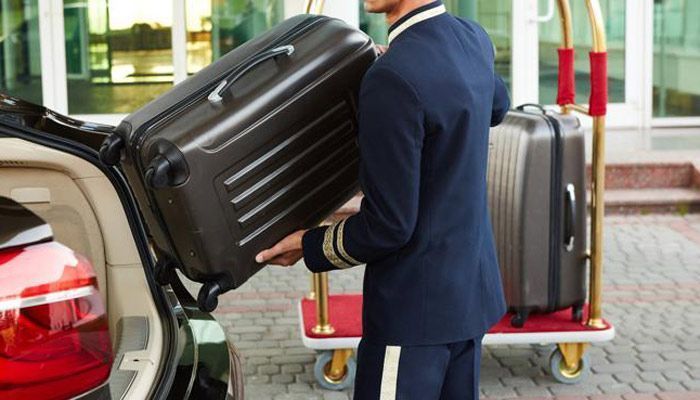
Some people at a hotels will help you to carry your luggage, we call them Bellboys, please do tip them, most of the expect from 1 to 2 dollars per luggage.
2.- The receptionists
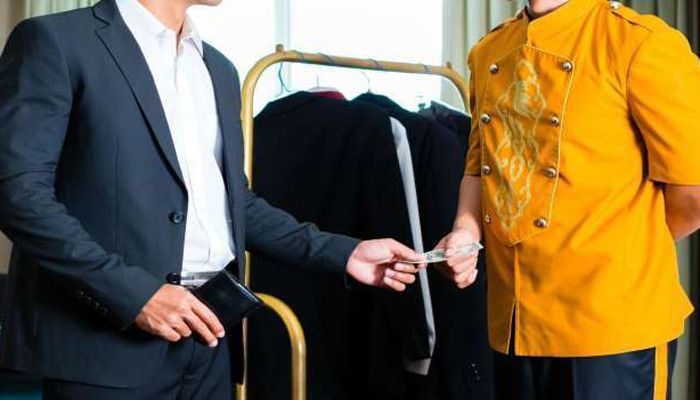
The receptionists at hotels usually don´t expect to be tipped since most of them have a great salary, nevertheless there are cool tourists who also give tips to the receptionist, because they know that they ensure that everything they request during their stay will be sent or resolved in the shortest possible time. If you happen to leave a tip, please leave them in between 10 and 20 USD.
3.- Taxi Drivers driving you to your hotel
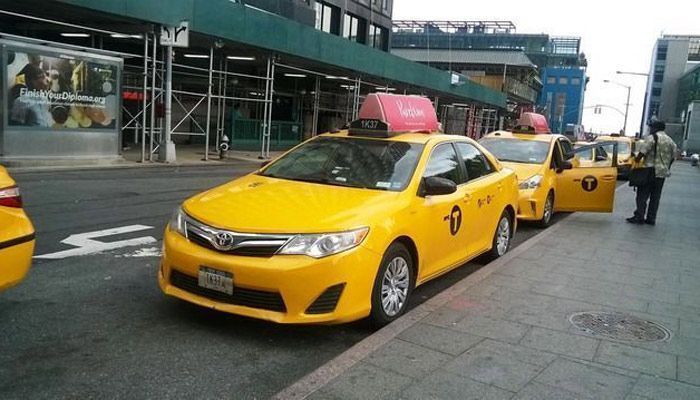
Some of them expect tips but we know that most of them also overcharge you for example from the Airport of Callao to Miraflores, you should pay 18 USD max, but many of them charge you 50 USD therefore we suggest to find out well about the correct prices before taking the service of one of them, if you know that the price you are paying is fair enough and he is a cool man, he is even helping you to put the luggage inside the taxi or bring your luggage out from the taxi once you arrive to your hotel, then tip your man, like 5 dollars extra!
4.- House Keeping Team
Most of them also expect to be tipped as it happens in most parts of the world, the person who cleans your room during your stay in the hotel will be very happy to receive some tips, most tourists tip 5 to 10 USD per day, please do always tip them personally in cash, don´t leave it at the reception desk.
5.- Room Service
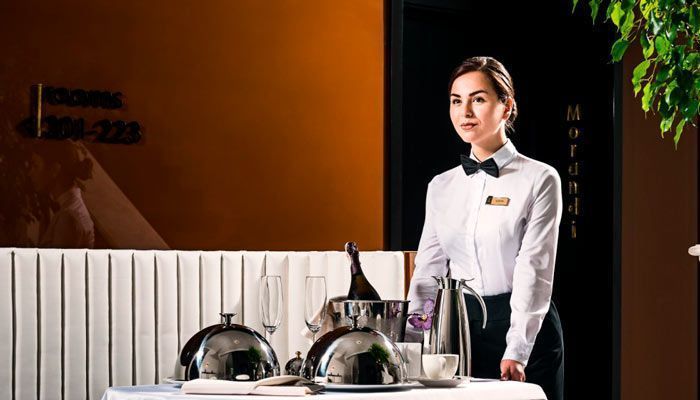
In the case of requesting room service, your wervers will also expect tips, you can tip from 3 to 5 USD.
At restaurants
It is suggested to leave as a tip 20% of the consumption, Consider that No Restaurant in Peru will automatically charge your card for the tip, it is not like in some countries such as Argentina where the tip is automatically charged to your card, they call it “table set up”, and this ussue does not appy in Peru. When we travel we are fascinated by discovering the new cultures to which we are exposed, and one of the most wonderful pleasure is to know the local gastronomy and but don´t forget about your servers or waiters who will take care of you by bringing you your delicious peruvian food with smiley faces and they will asisst you with anything you may need to enjoy your food better.
There are countries where there is nothing more than “thanks” or a little change and others instead where a very specific percentage is stipulated, so that you do not get embarrassed and nobody is offended, we tell you what are the standards to tip in Peruvian Restaurants, as mentioned above already is average 20% of the total consumption however as mentioned before tip in cash to your servers, we know that if you tip electronically the tip does not even arrive to the hands of the waiters but the owners of the restaurants keep it for them We must say that this does not happen frequently, not all restaurants have bad habits although we still recomend you to tip in cash.
Taxi
No, Peru is not like other countries or other cities, for example in New York many taxi drivers ask for a tip, in Peru this does not happen unless you really like the job of your taxi driver and you know you are paying a fair price for the ride. You can find out the correct price to be paid by comparing the prices with Uber, as simple as that. Note that in Peru taxis don´t have a taximeter.
Peru Etiquette at restaurants
The high-end restaurants will expect you to wear something else than jeans or Bermudas. A nice pair of pants and a long sleeve shirt will do much better. In wintertime (on the coast of Peru means from August to November), you will look sharper by using a blazer or a leather jacket.
If they say to you come in:
“Sport Elegante” means you will be wearing a long sleeve shirt, jeans, black or brown shoes and a coat but no necktie.
“Elegante” or “Formal” will mean for sure you will wearing similar to a Penguin, yes! wear a long sleeve shirt, tie, coat, black pants, black shoes, etc.
Smoking Areas in Peruvian Restaurants
You can ask for a smoking area at some restaurants. Be sure you make reservations ahead of time, especially for dinner at well-known restaurants because most of them do not have an smoking area since smoking in Peru is not popular, have you seen any Peruvian smoking on the streets or anywhere? Most likely the answer is “no”, if you see a Peruvian smoking that would barely happen.
Note, we don´t mean nothing wrong if you smoke, none of our business!
Events
Peruvians are not known for their punctuality. If you are invited to a house, you will normally be expected to arrive at least 30 minutes after the invitation time, if you are invited for lunch, food will normally be served after 1 pm, for dinner after 9 pm.
For weddings, you should arrive 30 minutes after the hour of the invitation at the church. We call it “Peruvian Time”, we sorry for this but this is how it works in Peru.
General Courtesy
If you want to impress your Peruvian, girlfriend and future parents-in-law be sure you are always courteous to her. Open her car door before you get in. You should do the same upon arrival to your destination. Ladies always before you, when entering an elevator or a room.
When a woman is sitting next to you at a restaurant stands up, you are also expected to do the same. When she returns to the table, you should also stand up.
When wine or drinks are poured, everyone waits to be served and everyone says “salud” before you start drinking.