Sign up with your email. We will send you a verification email.
Already have an account?
Recover password
Enter your email and we will send you a link to reset your password.
Remembered your password?
Author: Michael
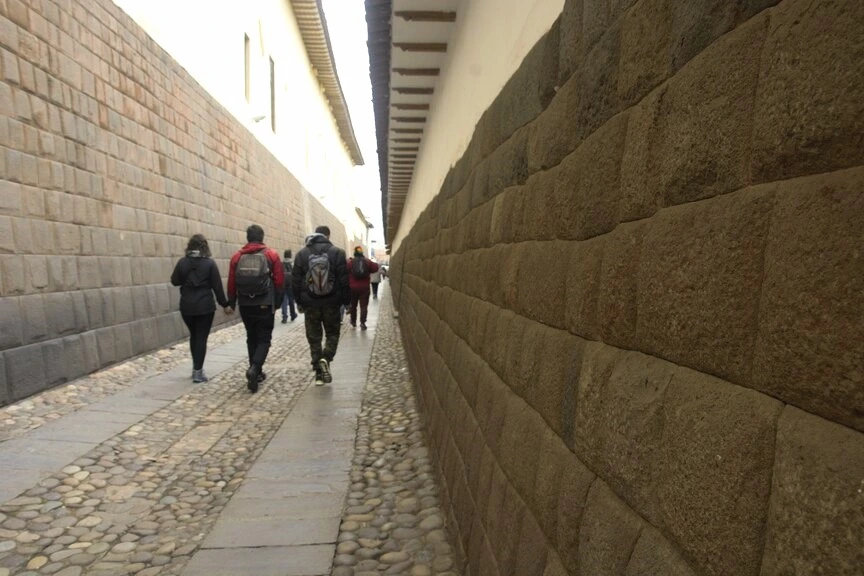
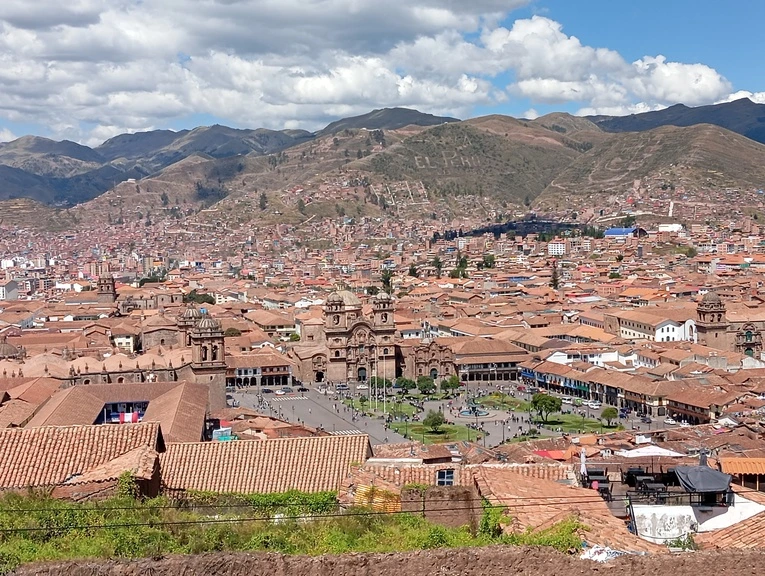
Cusco on foot. Cusco step by step during the day or at night. In the afternoon, too. After all, any time is a good time to explore its streets, following your travel instincts or following the itinerary for the walking tour in Cusco that you prepared before arriving in the former Inca capital, declared a UNESCO World Heritage Site because of its unique blend of Andean and Hispanic architecture and its original urban layout.
In this legendary setting, where Inca temples and palaces were transformed into colonial mansions and Catholic churches, you can put together and organize more than one “walking tour route in Cusco” to discover the Plaza de Armas, the Cathedral, the Church of Santo Domingo—built on the Qoricancha, or Temple of the Sun—San Francisco Square, the traditional Loreto Street or Inti Kijllu, and other places of interest in the Historic Center.
Walking through ancestral Cusco is the best way to explore and discover the city founded by Manco Capac and Mama Ocllo, the “Children of the Sun”. As you do so, you will not only experience the atmosphere of the Historic Center, but you will also gradually acclimatize to the city’s elevation of 3,400 meters above sea level. This adjustment will help you make the most of every adventure in the “navel of the world”.
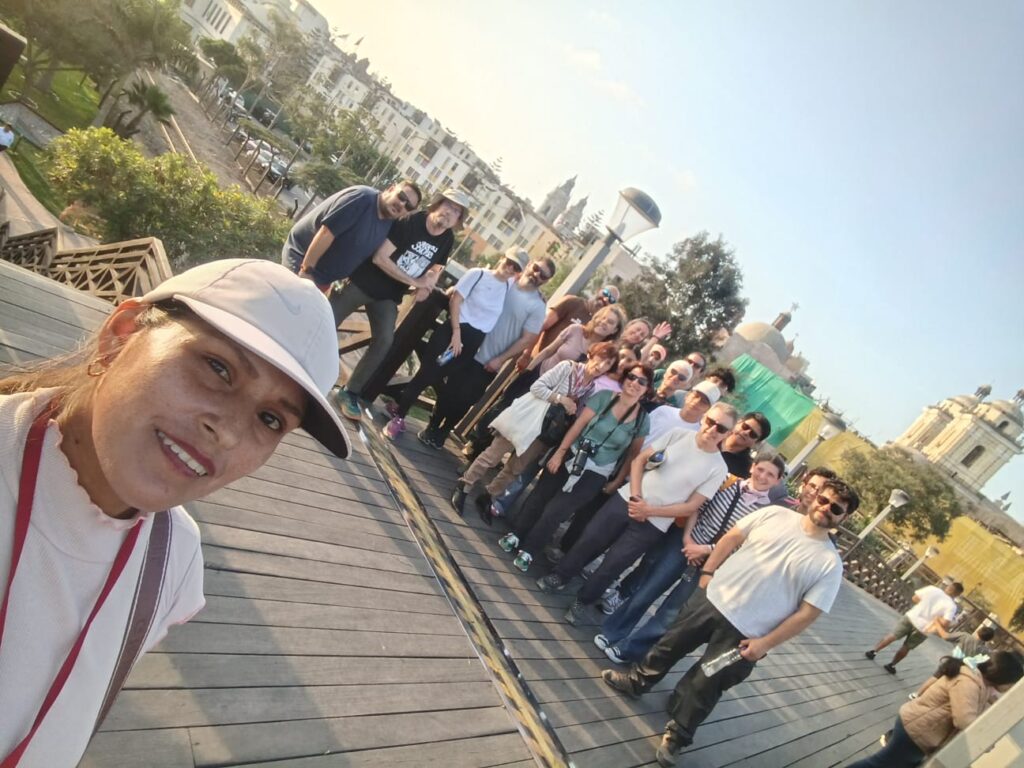
Now, if in addition to walking you want to hear the history behind each tourist attraction and share the experience with other travelers like yourself, join our Free Walking Tour in Cusco’s Historic Center, a tour where you will see the best of the city in a group and accompanied by a local guide. At each stop, the guide will give you a complete explanation of the palace, temple, or archaeological site you are seeing.
Before taking your first step, whether independently or on our walking tour route, keep the following information in mind:
Basic Information About the Walking Tours
Duration: 2 to 2.5 hours
Difficulty: The walk is easy and takes place at a leisurely pace. There is no need to hurry because the aim is to explore the city and have a good time.
Route characteristics: The streets around the Plaza de Armas and its surroundings are mostly flat. Along the route, only a few streets have some incline. Don’t worry—if you walk them calmly and at a leisurely pace, you will manage them without any problems.
Recommendations:
+Don’t forget to bring water. Walking under the Cusco sun will make you thirsty.
+Protect yourself from the sun’s rays by wearing a hat and sunglasses.
+If you have UV-protective clothing, wear it during your walks around the city.
+Take care of your skin by applying sunscreen.
+As a precaution, always carry a rain jacket or rain poncho.
+Carry some cash. Not too much, just enough for small expenses.
+Don’t let your guard down. Although Cusco is a safe city, keep an eye on your belongings. Never leave them unattended.
What You Will See on the Walking Tour
If you decide to join us or prefer to explore on your own, take a look at the itinerary of our free tour in Cusco’s Historic Center. We would love to explore it together, but if you are an independent traveler, the information below can serve as a basis for creating your own route through the urban heart of Peru’s main tourist destination.
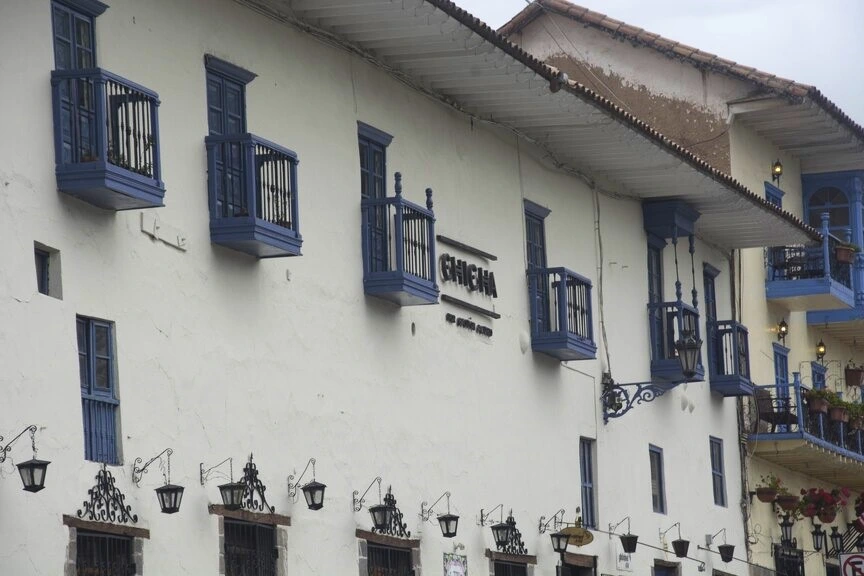
Step 1: Head to Regocijo Square, also known as Cusipata, where our local guide will be waiting for you every day at 10:00 and, Monday through Saturday, also at 13:00 and 15:30. Meet the guide in front of Chicha Restaurant (290 Heladeros Street) and identify them by their green vest. Tours are available in both Spanish and English.
Step 2: Visit the exterior of the house of Inca Garcilaso de la Vega, located around Regocijo Square. During this stop, your guide will explain the importance of this historical figure, considered the first cultural mestizo of Peru and the Americas. The son of a conquistador and an Inca princess, Garcilaso was the author of Comentarios Reales, a work that explores the history, customs, and traditions of the Tawantinsuyo.
Step 3: It is time to walk towards San Francisco Square, home to the colonial church of the same name and the Colegio de Ciencias of Cusco, founded in 1825 by the liberator Simón Bolívar. During this stop, the guide will show you the cantuta (Cantua buxifolia), Peru’s national flower, as well as cedar, cat’s claw, and other plant species that grow in this urban setting.
Step 4: The Santa Clara Arch and the San Pedro Central Market are the next stops on the route. The former was built to commemorate the creation of the Peru-Bolivian Confederation, an integration effort led by Marshal Andrés de Santa Cruz in 1836. Next comes a visit to one of Cusco’s main food markets. Opened in 1925, it is famous for its breakfasts and lunches. Give them a try!
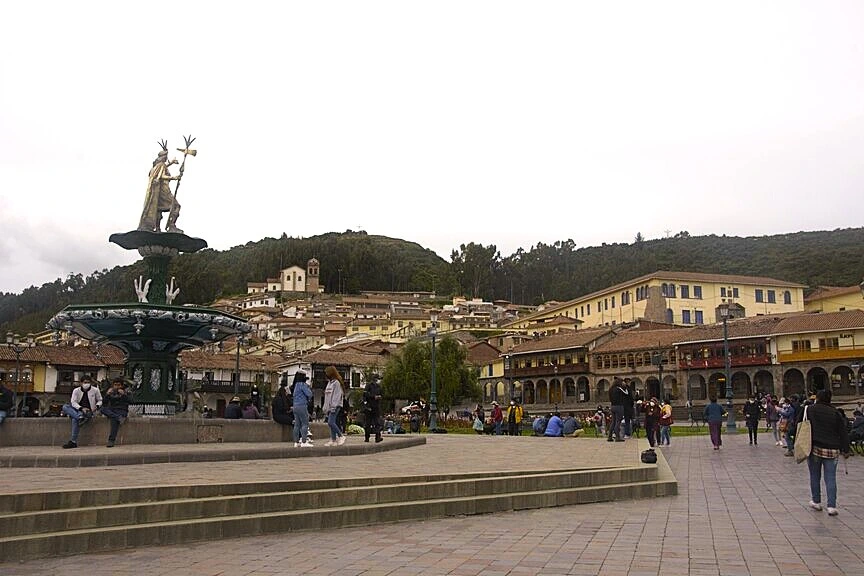
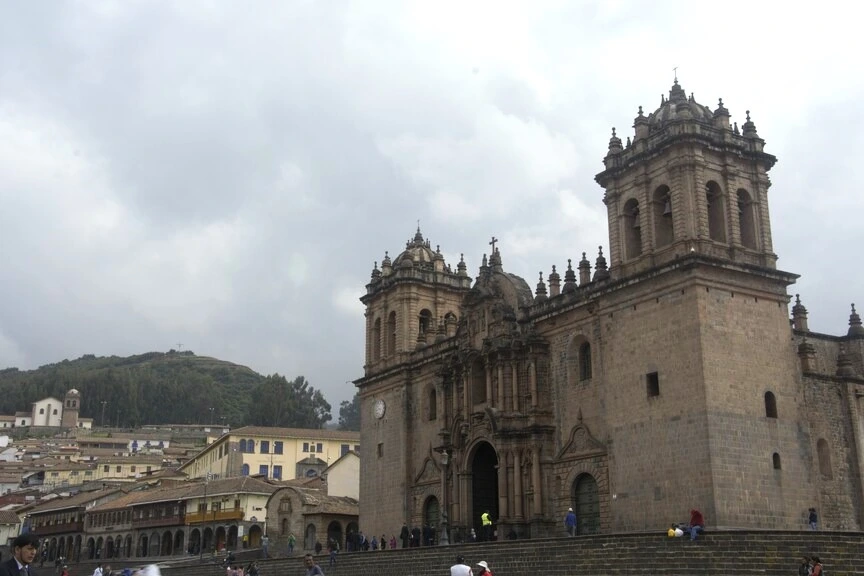
Step 5: You will arrive at the Plaza de Armas, the historical and founding heart of Cusco. Its beautiful fountain topped by an Inca figure, its stone arcades and arches, and the monumental Compañía de Jesús and the Cathedral Basilica, the second largest in the Americas, complete a lively setting where restaurants and cafés with balconies overlooking the square are plentiful.
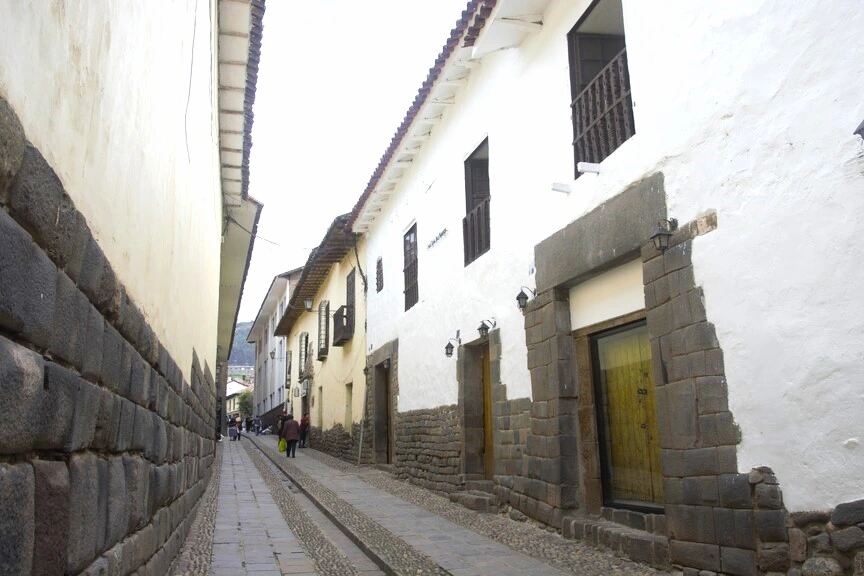
Step 6: Your footsteps will echo along a street steeped in history: Loreto or Inti Kijllu (Street of the Sun, the main deity of the Tawantinsuyo), a pedestrian street that retains its pre-Hispanic features. The enormous stone blocks of the Inca buildings of Amaru Cancha (now the Church of the Compañía) and the Aclla Wasi line this refuge from the past, which connects the Plaza de Armas with Pampa del Castillo Street.
Step 7: Cusicancha, the former palace of Pachacutec—the legendary ruler who consolidated the empire—is your next destination. With large stone walls and striking gardens, during the colonial period it served as the headquarters of the Spanish army. Please note: this stop is only included in the free tours held Monday through Friday at 10:00 and 13:00.
Step 8: Visit the exterior of the Church of Santo Domingo, built on the foundations of the Qoricancha (“the Golden Enclosure” in English), the main temple dedicated to the Sun god. This magnificent architectural complex is the final stop on the route. Before you leave, remember that it is customary to leave a tip for the guide, whose knowledge and information enrich the experience for all participants.
What to Do: Walk Alone or in a Group
The first thing is to set your doubts aside. Exploring and discovering Cusco’s Historic Center is always a great urban and sightseeing adventure. If you decide to explore on your own, you will plan the itinerary, the starting time, and even the pace of your walk. If you opt for a free walking tour, you will share the experience with other travelers while learning from the knowledge of your local guide. Their insights will give you a different perspective and understanding of each stop.
Getting to know a city like Cusco goes beyond simply observing its Inca and colonial buildings. In this ancient city, it is important to understand the historical processes, cultural contexts, and current dynamics that make it a unique destination. These are the insights and information shared by our local guides. Their explanations add extra value to every step of the journey.
A good approach is to alternate independent walks with organised tours. This way, you can enjoy the best of both travel styles and gain a much broader perspective. Free tours will help you learn about the roots of the “navel of the world” and meet other travelers, while exploring on your own will allow you to experience the city in a different way. As you can see, you can’t go wrong in Cusco. You always come out ahead.
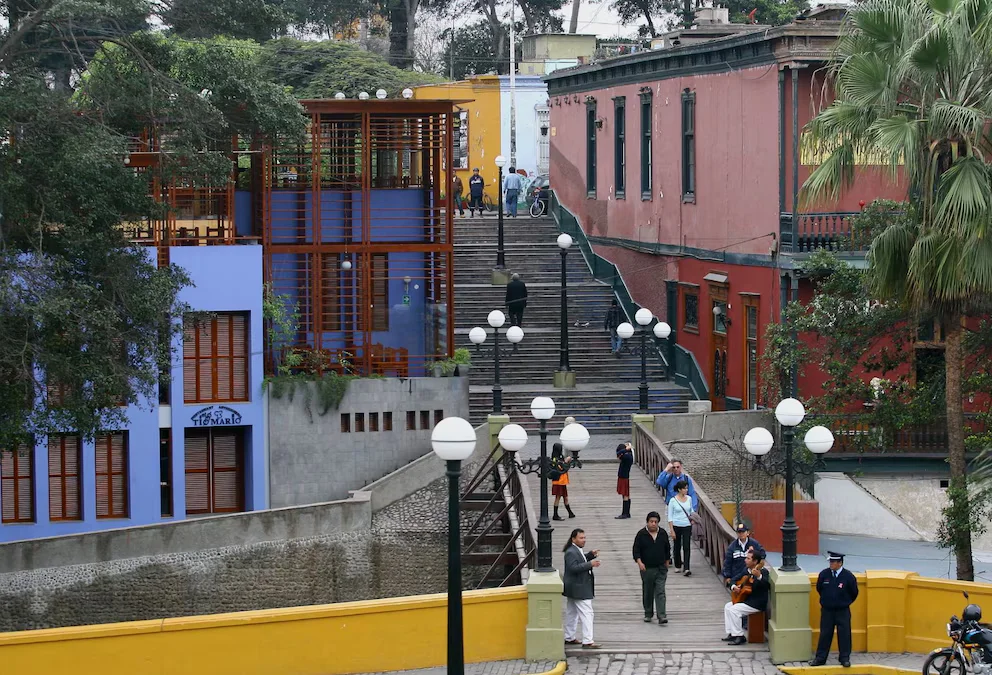
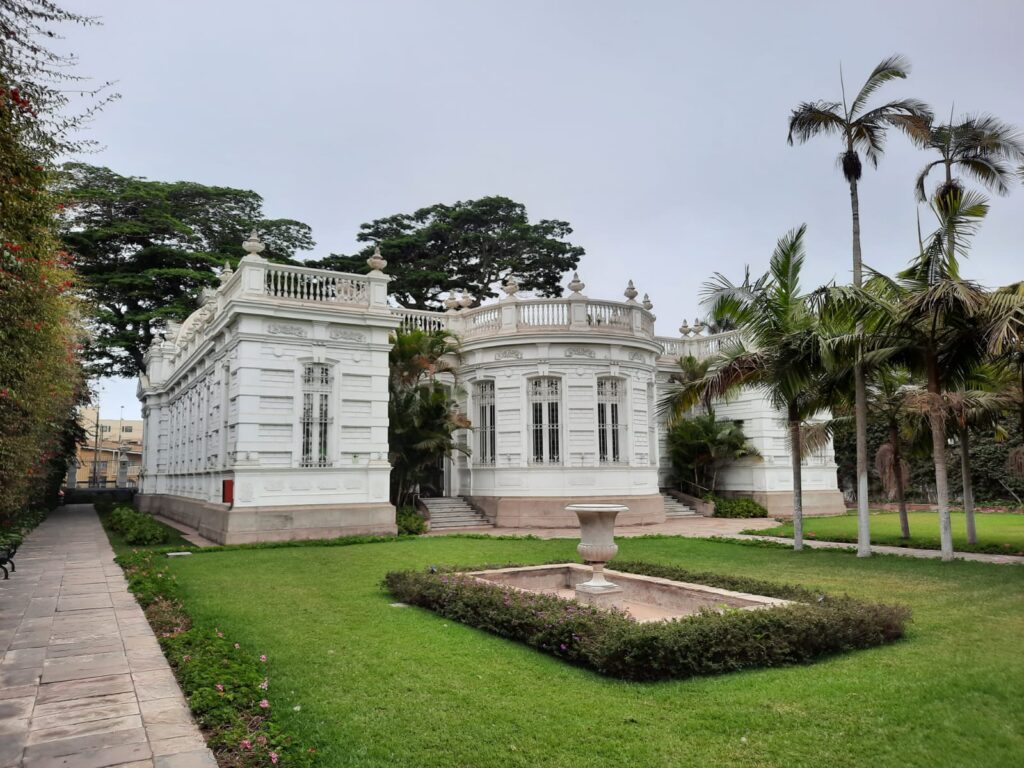
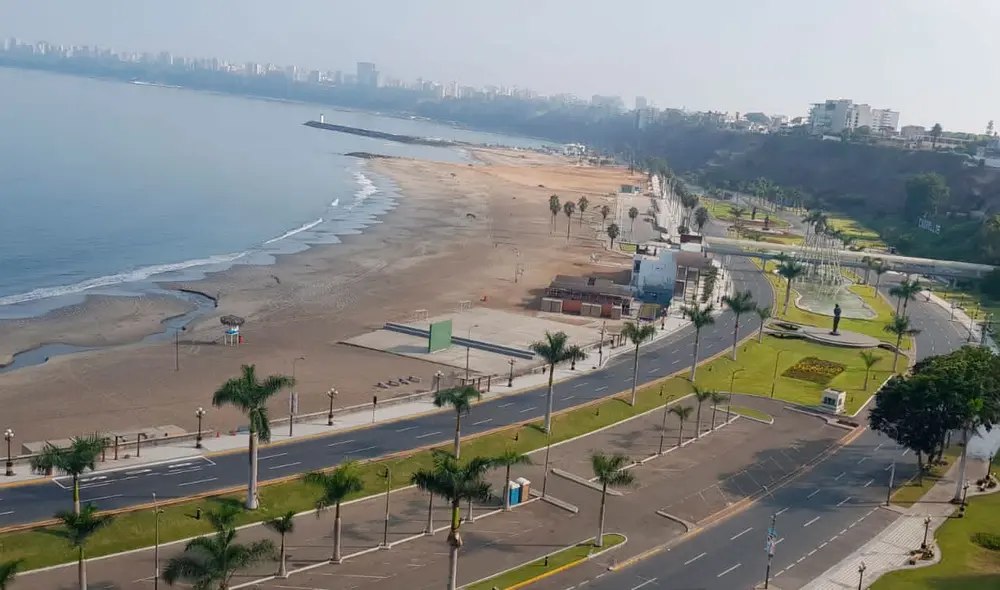
Photo: Municipality of Miraflores
The answer is clear and straightforward: Yes, it’s absolutely worth exploring Lima’s streets, squares and neighbourhoods with a local guide who is passionate about sharing the history, culture and traditions of their city. Yes, it’s definitely worth sharing your urban adventure with a group of travellers eager to discover the very best of Peru’s capital in a different, friendly, relaxed and enjoyable way.
So, pack away your doubts and leave your worries at home. Free walking tours in Limaare reliable, safe and free of charge. There is no fixed price. Simply choose the itinerary—or itineraries—that interest you most and reserve your place online. That’s all you need to do. From there, you’ll enjoy discovering, step by step, the highlights of the Historic Centre or the districts of Miraflores, Barranco, San Isidro and Chorrillos.
Another advantage of our free tours is that you can join as many as you like. There are no limits. You decide whether you want to explore the historic heart of an ancient city in the morning and, in the afternoon, soak up the bohemian atmosphere of Barranco, a haven for artists with inspiring views over the Pacific Ocean. That’s just one of the many experiences waiting for you in the “City of Kings.”
So, what do you think? Have we convinced you that a free walking tour is an excellent choice, or do you still have a few questions? No problem. We’d love to welcome you and show you our city. That’s why, below, we’ll share practical advice, useful tips and other information to help you make up your mind. Travel with us and become one of the hundreds of satisfied travellers who recommend our tours.
Are Free Tours in Lima Safe?
Photo: Peruvian News Agency Andina
Yes, they are very safe. Exploring the city on foot as part of a group led by a licensed local guide offers many advantages. One of the biggest is that travelling together greatly reduces the likelihood of any problems. On top of that, the experience and local knowledge of our professional guides allow them to recognise and anticipate any potentially risky situations while walking through the city.
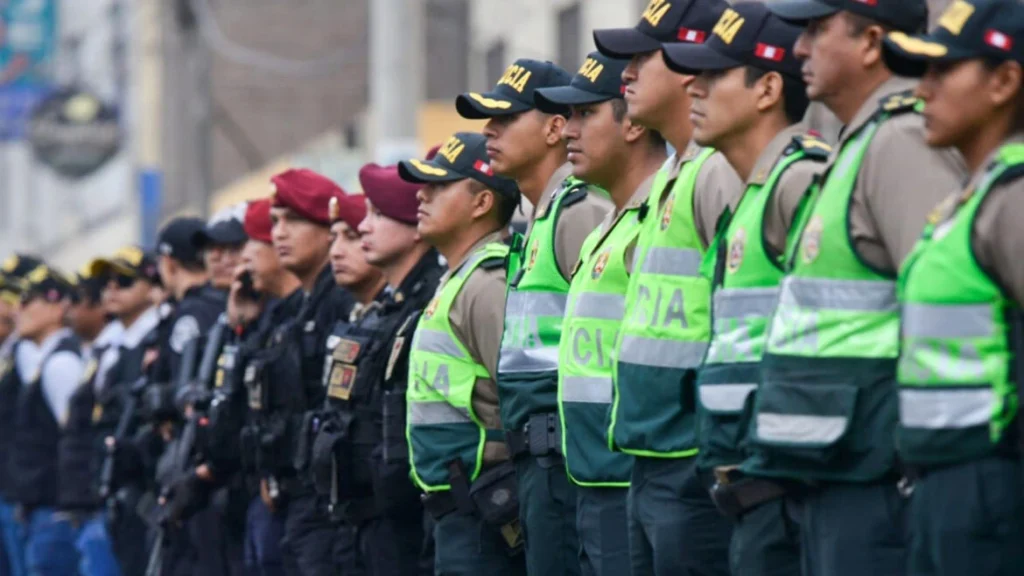
The carefully planned routes are another reason why our free walking tours in Lima are so safe. The areas you’ll visit are not considered dangerous. The streets of Lima’s Historic Centre are busy with both locals and visitors, and because the area is home to the Government Palace, the Municipal Palace and several other important institutions, there is a constant police presence, providing reassurance for everyone walking around.
Photo: Caretas Magazine
So, leave your concerns behind and feel confident exploring beyond the historic centre. Our tours of Miraflores, Barranco, San Isidro and Chorrillos are equally safe, as confirmed by the reviews of the hundreds of travellers who have chosen our tours and enjoyed their time exploring Lima’s many attractions without any problems. It’s a vibrant, colourful city where history and modern life come together.
To make your experience as enjoyable as possible, it’s still important to take sensible precautions. Keep your belongings with you and always within sight. Carry only the amount of cash you think you’ll need. Avoid displaying expensive electronic devices unnecessarily, and if you’re using public transport, keep a close eye on your pockets and backpack. These simple precautions will help make your stay in Peru’s capital even more enjoyable.
How Much Do Free Tours Cost?
Photo: ¿Y tú qué planes?
Walking tours in Lima do not have a fixed price. Reservations are completely free, and when you arrive at the meeting point, no one will ask you to pay to join the tour. The usual practice on free walking tours is to leave a tip for the guide at the end of the experience as a gesture of appreciation and recognition for their work.
Although there is no set amount, travellers typically leave between S/30 and S/40 (approximately US$10). The choice is entirely yours. If you particularly enjoy the tour, feel free to leave a more generous tip. Whatever the amount, the most important thing is that the guide feels their hard work and dedication have been appreciated by the group. That’s the greatest reward they can receive.
What Should I Bring for a Free Tour?
Photo: ¿Y tú qué planes?
+Wear comfortable clothing and footwear so you can walk around the city with ease.
+Bring a bottle of water and a few snacks to make your time exploring Lima even more enjoyable.
+Protect yourself from the sun. Apply sun cream before the tour and wear sunglasses.
+Carry only the cash you need and leave valuables at your hotel or accommodation.
+Make sure your camera and mobile phone are fully charged, as you’ll have plenty of opportunities to take photos and videos throughout the tour.
+Although Lima doesn’t experience thunderstorms, during winter (June to September) it is common to have garúa, a light but persistent drizzle. Bringing a windproof or waterproof jacket is a good idea.
Free Tour Lima Reviews: What Do Travelers Think?
Photo: Municipality of Chorrillos
If you’d like to read reviews of our free tours, take a look at the comments left by our guests. We have more than 1,000 positive reviews on Google Maps, giving us an average rating of 4.8 stars. On Tripadvisor, we have more than 400 reviews with an average rating of 4.9 stars. It’s a great reason to feel confident about the services we offer in Lima. The streets of Peru’s capital are waiting for you—let’s explore them together on foot!
Photo: ¿Y tú qué planes?
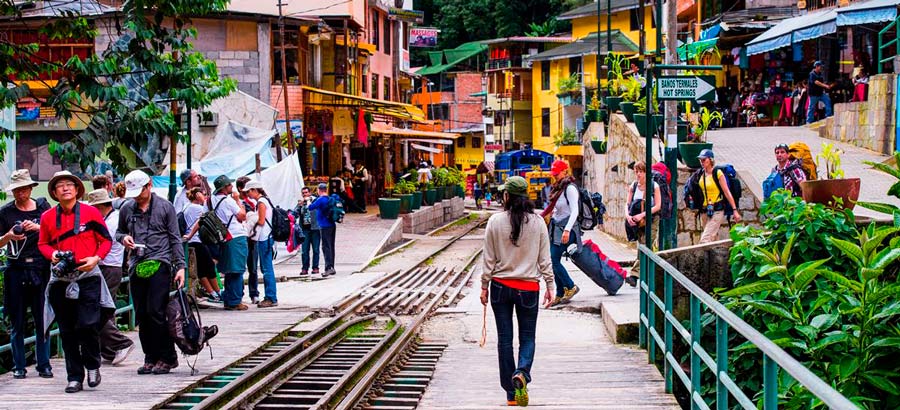
If you’re wondering what to do in Aguas Calientes, the famous gateway to the Inca citadel, you’ve come to the right place. This small town, surrounded by mountains and cloud forest and officially known as Machu Picchu Pueblo, offers much more than just a stopover or a place to spend the night.
Whether you’re staying overnight before visiting the Inca llaqta of Machu Picchu or you have a few free hours after your tour, you’ll find plenty of places to explore on your own. In this backpacker’s guide, we’ll show you the best local attractions, from relaxing hot springs and an on-site museum to walks through waterfalls, a butterfly house and trails surrounded by lush nature.
1. Visit the Manuel Chávez Ballón Museum
This museum is located at the foot of the mountain, right at the beginning of the pedestrian trail leading up to the Inca citadel. It is just a 15 to 20-minute walk from the centre of Aguas Calientes and, because of its location, it is often overlooked by most visitors, making it a peaceful and fascinating place to explore.
The museum honours Dr Manuel Chávez Ballón, a pioneer of Cusco archaeology who dedicated more than 30 years to researching the area. Inside its exhibition rooms, you’ll find an educational collection of original artefacts discovered during archaeological excavations, including pottery, metal tools, textiles and stone implements. Interactive maps and audiovisual displays also answer the key questions every traveller asks before visiting the site: How was Machu Picchu built? Who lived in the citadel? What was its true religious and administrative purpose?
💡 Backpacker’s Tip: Visiting this museum before heading up to the Inca llaqta will completely change your perspective, helping you better understand everything you’ll see among the ruins. As an added bonus, your ticket usually includes entry to the charming Botanical Garden located right next to the museum.
Price: Adults: approximately S/25 | Students: approximately S/15 (a valid student card is required, and payment must be made in Peruvian soles).
Opening hours: Monday to Sunday, 10:00–16:00. (To confirm opening times on public holidays, call +511 958194475.)
2. Explore the Botanical Garden Museum
Right next to the Manuel Chávez Ballón Museum you’ll find this fascinating botanical garden covering more than 1,600 m². It’s the perfect place to relax in the heart of nature before or after your walk to the Inca citadel.
Here, you can admire around 100 species of orchids on display, selected from the more than 420 species that grow naturally throughout the Machu Picchu Historic Sanctuary. Alongside its remarkable variety of native plants, ferns and trees, don’t miss the famous Waqanki orchid (a Quechua word meaning “you will cry“). Don’t worry—its name has nothing to do with sadness. It comes from the tear-like shape of its flowers and the Inca legend associated with it. Many botanists consider it one of the most beautiful orchids in the world.
💡 Backpacker’s Tip: Admission to the Botanical Garden is already included with your Manuel Chávez Ballón Site Museum ticket, so there’s no need to pay anything extra to visit it.
Opening hours: Monday to Sunday, 10:00–16:00. (To confirm opening times on public holidays, call +511 958194475.)
3. Visit “Wasi Pillpi”, the Butterfly House
Located along the trail to the Site Museum, just a 15 to 20-minute walk from the centre of Aguas Calientes and immediately before the municipal campsite, you’ll find Wasi Pillpi (“Butterfly House” in Quechua). If you’re looking for a relaxing activity surrounded by nature while supporting sustainable local tourism, this is a stop you shouldn’t miss.
This conservation project was founded by Leonardo Serrano Gutiérrez, a local resident who, together with a team of volunteers, researches and protects eight native butterfly species found within the protected area of Machu Picchu. During the guided tour, you’ll walk through the breeding garden and observe the butterflies’ entire life cycle, from eggs and caterpillars to chrysalises and fully grown butterflies fluttering around you. You’ll also learn fascinating facts about their behaviour, including why darker-coloured species absorb more sunlight to regulate their body temperature.
💡 Backpacker’s Tip: By visiting Wasi Pillpi, you’ll not only enjoy a unique educational experience but also directly support a non-profit community project. Many of the butterflies raised here are later released to help restore the local ecosystem.
Price: Adults: approximately S/10 | Children: Free (payment must be made in cash and in Peruvian soles).
Opening hours: Monday to Sunday, 08:00–17:00. (To confirm opening times on public holidays, call +511 973 621 266.)
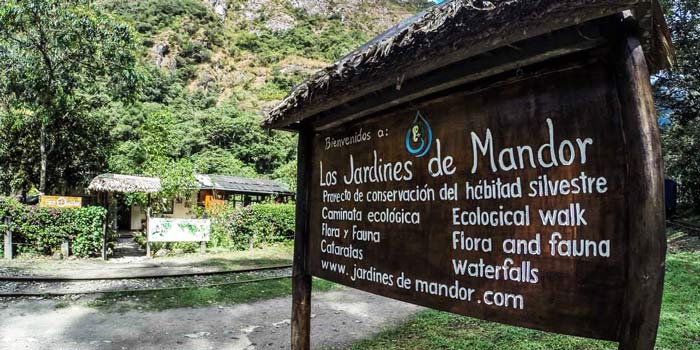
4. Mandor Gardens and Waterfalls
If you have a free morning or afternoon in Aguas Calientes and want to escape the busy tourist crowds, a visit to the Mandor Gardens and Waterfalls is the perfect way to reconnect with nature.
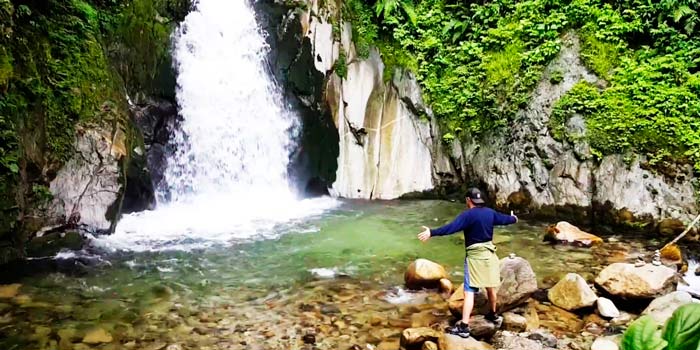
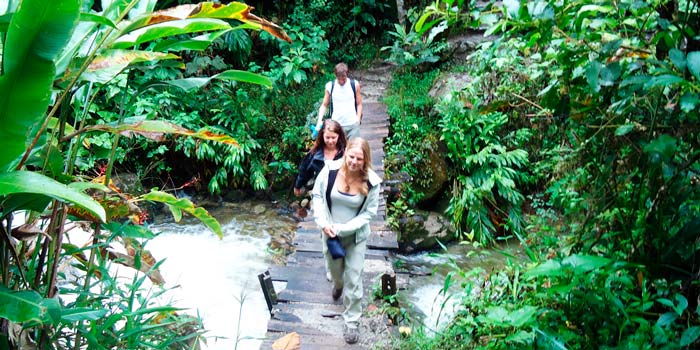
The journey begins with a walk of around 1 hour alongside the railway line towards Hidroeléctrica, where you’ll enjoy the scenery of the cloud forest, the Vilcanota River and the impressive surrounding mountains. Once you reach the entrance to this private ecological reserve, you’ll pay the admission fee and continue along a well-marked trail for approximately 30 to 40 minutes, surrounded by orchids, giant ferns, butterflies and exotic birds, including the iconic Andean cock-of-the-rock. The walk ends at a beautiful crystal-clear waterfall, where you can relax and cool off.
At an altitude of just 2,400 m above sea level (compared with 3,400 m in Cusco), the route is mostly flat, easy to follow and rich in oxygen, making it a pleasant and gentle hike. Allow 3 to 4 hours in total to enjoy the experience at a relaxed pace.
💡 Tip Mochilero: Lleva repelente de mosquitos, bloqueador solar, agua en botella reutilizable y snacks ligeros. Si te da hambre en el camino, dentro del predio de Mandor hay un pequeño restaurante ecológico donde ofrecen almuerzos locales.
💡 Backpacker’s Tip: Bring mosquito repellent, sun cream, a reusable water bottle and some light snacks. If you get hungry along the way, there’s a small eco-friendly restaurant inside the Mandor reserve serving local lunches.
Price: Approximately S/20 (cash payment in Peruvian soles only).
Opening hours: Monday to Sunday, 08:00–17:00. (To confirm opening times on public holidays, call +511 940 188 155.)
5. The Handicrafts Market
Located just outside the PeruRail and Inca Rail train stations, the Aguas Calientes Handicrafts Market is the ideal place to buy souvenirs before returning to Cusco. It’s a colourful maze of stalls where dozens of local artisans sell alpaca wool garments, including jumpers, hats, chullos (traditional Andean knitted hats) and ponchos, as well as silver jewellery, Andean musical instruments, paintings and replicas of Inca pottery.
As it is the last shopping stop before boarding the train, the market is often quite busy. Its greatest advantage is the wide variety of souvenirs available in one place, making it easy to buy gifts for friends and family without having to carry them during your walk to the Inca citadel.
💡 Backpacker’s Tip: Bargaining is common in this market, but always do so respectfully. If you’re buying several items from the same stall, don’t hesitate to ask for a discount—this is a very common practice in Peru. Also, keep in mind that most vendors prefer cash payments in Peruvian soles. Card payments and digital wallets often incur an additional surcharge of 5% to 10%.
6. Hot Springs
If you’re spending at least one night in the town or you’ve just completed a demanding trek such as the Salkantay Trek or the Inca Trail, this is an almost essential stop. In fact, these natural springs are the reason why the town became known as Aguas Calientes.
The pools are fed by volcanic hot springs, with water temperatures ranging from 37°C to 45°C. Thanks to their high mineral content, including sulphur and calcium, they are ideal for relaxing your muscles, relieving fatigue and restoring your energy after several days of mountain trekking.
The complex also features changing rooms, showers and a small open-air bar where you can enjoy an ice-cold beer or a cocktail while taking in the scenery of lush vegetation and towering rock walls.
💡 Backpacker’s Tip: To avoid the crowds and enjoy the cleanest water, it’s best to visit early in the morning (from 05:00 onwards) or late in the afternoon. Don’t forget to bring your own towel, flip-flops and swimwear to save money. If you forget them, you can rent or buy them from the stalls on the way up.
Price: Foreign visitors: approximately S/25 | Peruvians: approximately S/15 (pay directly at the ticket office in cash and in Peruvian soles only).
If you’re looking for a free, challenging adventure with spectacular panoramic views of Machu Picchu from a unique angle, reaching the summit of Putucusi (2,560 m above sea level) is the perfect challenge.
The trail takes you deep into Cusco’s cloud forest, surrounded by wild orchids, ferns and exotic birds. Don’t underestimate it, though. Although the hike is relatively short, it is physically demanding and can be quite intimidating. The ascent includes almost vertical sections of rock where you’ll need to use fixed steel cables and ladders attached to the mountainside. Once you reach the summit, you’ll be rewarded with breathtaking views of the Inca citadel and the Vilcanota River valley.
⚠️ Important Backpacker’s Warning: Access to this mountain is entirely at your own risk. Although hiring a guide is not compulsory, it is strongly recommended because of the demanding and potentially dangerous terrain. Keep in mind that the wooden ladders and safety cables have deteriorated significantly in recent years, making parts of the route unstable. Before attempting the climb, always check the current trail conditions in the town and never attempt the ascent during rainy weather, as the rocks become extremely slippery.
🎒 What should you pack?
Trekking footwear: Walking shoes or boots with excellent grip and traction (essential to avoid slipping on the rocks).
Non-slip gloves: Essential for holding firmly onto the steel cables and wooden ladders.
Waterproof jacket or rain poncho: The weather in the cloud forest changes quickly.
Sun protection: Sun cream, sunglasses, and a cap or hat.
Insect repellent: Essential to avoid mosquito bites.
Water and snacks: Bring at least 1.5 litres of water along with nuts or energy bars to keep your energy levels up during the climb.
Opening hours: Open 24 hours a day (however, climbing is only recommended during daylight hours, between 06:00 and 15:00).
Two different ways to discover Lima, a city with pre-Hispanic roots. Two different ways to explore the colonial capital founded by Francisco Pizarro. Two different styles of discovering the republican metropolis that serves as Peru’s political and economic centre. Which one will you choose? Which best suits your travel style: a private tour or a free tour?
If you’re still unsure and can’t decide, this comparison will help you make an informed choice. Before we begin this head-to-head, however, let me tell you that both options—despite their differences—will bring you closer to the historical, monumental and cultural essence of Lima. It is a city waiting to be explored. A city where you’ll enjoy unforgettable experiences.
Walk through the streets of the Historic Centre, admiring its squares, colonial mansions, convents and churches, all part of a UNESCO World Heritage Site. Take in views of the Pacific Ocean from a scenic clifftop viewpoint. Discover urban art through the murals and graffiti of a bohemian neighbourhood. Be amazed by the ancient pyramids that reveal the pre-Hispanic origins of the only South American capital overlooking the sea.
These experiences are included in both the free tours and private tours we have designed for you. Our itineraries and city routes will show you the very best of Lima safely and with reliable information provided by knowledgeable local guides. Those qualities are common to all our tours. The differences in this comparison lie elsewhere, as you’ll discover throughout this article.
What Are Free Tours in Lima?
A free tour is the simplest, most practical and most affordable way to explore Lima’s Historic Centre on foot and the districts of Miraflores, Barranco and Chorrillos. The process is very straightforward. All you need to do isbook online and arrive at the meeting point at the scheduled time, where you’ll meet your clearly identified guide and the other travellers joining thefree tour.
The free tour is based on walking as a group to the main points of interest, which—in most cases—are visited from the outside only. At each stop along the route, your guide provides a detailed explanation, helping you understand the historical and cultural significance of the place before you. You’ll also gain valuable insights that you would be unlikely to discover if you explored the city on your own.
Most free tours last between two and three hours and are available in both the morning and the afternoon. As they are free to join, they are an excellent choice for travellers who want to discover Lima without spending too much. Just remember that, at the end of the tour, it is customary to leave your guide a tip. The amount is entirely up to you and should reflect how much you valued the experience.
What Are Private Tours Like?
If you’re looking for comfort. If you want to be picked up from and dropped off at your hotel or accommodation. If you prefer travelling in a private vehicle. If you’d rather explore on your own or only with your family and friends. If your curiosity goes beyond viewing attractions from the outside. If that’s what you’re looking for in Peru’s capital, then one of our private tours is the perfect choice.
Private tours in Lima are the best option if you’d like to discover the city and its surroundings at a relaxed pace, with comfort, reliability and safety. As the service includes private transport, our itineraries go beyond the boundaries of the Historic Centre, allowing you to visit the spectacular Pachacamac Archaeological Sanctuary (40 km southeast of the old city), the greatest pre-Hispanic legacy of the “City of Kings”.
These tours last between three and seven hours and include visits inside key attractions. In the Historic Centre, you’ll enter the catacombs of the Convent and Church of San Francisco. The same applies in Pachacamac, where you’ll explore both the site museum and the archaeological complex. We also offer private full-day tours (shared groups or exclusive departures) to the sacred city of Caral and to the Ballestas Islands combined with the Huacachina Lagoon.
Advantages of Free Tours
+They allow you to explore different areas of the city while also sampling Lima’s gastronomy on professionally organised tours.
+They are available at different times of the day, so you can join more than one tour on the same day.
+If you’re travelling solo, free tours are a great way to meet other travellers.
+Separate groups are organised in English and Spanish, making communication between the guide and participants more direct and enjoyable.
+The meeting points are easy to reach, so you’ll have no trouble meeting your guide.
+You’ll explore the city with a local guide who knows Lima inside out and is part of its living history.
+There is no fixed price. At the end of the tour, you simply leave a tip based on your experience.
Advantages of Private Tours
+Your itinerary starts and ends at your hotel or accommodation, so you won’t need to travel to any meeting point.
+As this is a private service (just for you, your family or your friends), you’ll enjoy more interaction with your local guide.
+You’ll travel in a tourist vehicle equipped with air conditioning and heating.
+The tours are longer and include visits inside attractions.
+In a single itinerary, you’ll visit several districts and areas of the city, giving you a broader travel experience.
+Private tours are available in English and Spanish. If you speak another language, we can arrange for a guide who speaks your language.
Shared Tours: The Perfect Balance
If you’re looking for a middle ground between a private tour and a free tour, we also offer shared tours. Explore our shared tours in Lima, with prices that are highly affordable.
Which Type of Tour Should I Choose?
Young travellers, groups of friends and backpackers looking to make the most of their travel budget usually prefer free tours. The reason is simple: they offer a more relaxed and affordable way to explore the streets of Lima, Miraflores, Barranco and Chorrillos. If that sounds like you, start looking through the free tours you’d like to join when you visit us. Plan your time so you can take part in as many free tours as possible.
Private tours are the favourite choice for older travellers, families and anyone looking for a greater degree of privacy and exclusivity. These experiences are specially designed to provide maximum comfort and enjoyment. In a relaxed setting, you’ll discover both the historic and modern sides of the city, guided by the knowledge and expertise of a local guide.
Both tour styles share a big common ground: travelers love the experience and rate it highly. In fact, just take a look at the Lima free walking tour reviews to see that free walking tours and private options are equally great. No matter your travel style, your stay in Lima, the ‘City of Kings,’ will be unforgettable. Don’t think twice—book with us today!
Free Tour Features
Starting and finishing point:Meeting points vary depending on the tour you choose. Each tour ends at the last attraction visited.
Duration:Between two and three hours, depending on the itinerary and route.
Group size:10 to 20 participants.
Languages: Separate groups are available in English and Spanish.
Participation:Advance online booking is required.
Restriction: Peruvian citizens cannot join our free tours; however, they are welcome to book our Lima City Tour.
Price: Free tours do not have a fixed price. At the end of the tour, you are invited to leave your guide a cash tip in Peruvian soles, US dollars or euros.
Private Tour Features
Starting and finishing point:Pick-up and drop-off at your accommodation, subject to prior arrangement.
Duration: Between three and seven hours, depending on the tour you choose.
Group size: You decide how many people will take part.
Languages:English and Spanish. Guided tours in other languages can also be arranged.
Participation:Advance booking is required.
Nationality: Private tours are open to travellers of all nationalities.
Before choosing the tours you’d like to take in Lima, explore our selection of free tours and private tours so you can make your own comparison and decide which option best suits your travel style.
Photo: Capture from La República newspaper
If you’re planning to visit Lima in 2 days, you’ll find two complete travel itineraries here to help you organise your sightseeing and know exactly what to do and where to go in Peru’s capital. Whether you’re exploring by day or by night, the key is to make the most of your time by heading to the Historic Centre, where you’ll discover the city’s architectural heritage and founding history, while also enjoying the cosmopolitan atmosphere of Miraflores and the bohemian, artistic charm of Barranco.
Lima is also home to a rich pre-Hispanic past. The Pachacamac Archaeological Sanctuary, located south of the capital, is a destination well worth including in your itinerary. Its temples, pyramids, and adobe palaces (sun-dried mud-brick structures) reveal that Peru’s capital is an ancient city whose history began long before its Spanish foundation on 18 January 1535.
It was the conquistador Francisco Pizarro who laid out the Historic Centre and decided where the Main Square (now Plaza de Armas) and the city’s principal buildings would stand, creating what would become the capital of the Viceroyalty of Peru. Those grand houses, churches, and convents now form the heart of the old quarter, which has been declared a UNESCO World Heritage Site.
Photo: Exquisite Peru
Pero hay otras actividades que hacer en Lima. Ver el mar desde Miraflores y Barranco. Probar su exquisita gastronomía, una de las más valoradas del planeta, volver a ser un niño con las aguas bailarinas del parque de la Reserva y recorrer fascinados los pasillos de sus mercados indios, donde encontrarás lo más selecto del arte popular del Perú. También podrás hacer compras en sus modernos centros comerciales.
Si estás planificando conocer Lima en 2 días, lee con atención los itinerarios que te proponemos a continuación. Si eres un viajero que prefiere las travesías low cost, la Opción 1 es perfecta para ti; pero, si buscas comodidad y un servicio diferenciado, ten en cuenta la Opción 2. Más allá de las diferencias de presupuesto, ten la seguridad de que tu estancia turística en la capital peruana será extraordinaria.
But there’s much more to do in Lima. Admire the Pacific Ocean from Miraflores and Barranco, savour its outstanding cuisine—widely regarded as one of the finest in the world—relive your childhood at the Magic Water Circuit in Parque de la Reserva, and wander through colourful artisan markets, where you’ll find some of Peru’s finest traditional crafts. You can also enjoy shopping in the city’s modern shopping centres.
If you’re planning to explore Lima in just two days, take a close look at the itineraries we’ve prepared below. If you’re a traveller who prefers budget-friendly adventures, Option 1 is perfect for you. If, however, you’re looking for greater comfort and a more personalised experience, Option 2 is the better choice. Whichever you choose, you can be sure your stay in Peru’s capital will be truly unforgettable.
Option 1: Lima on a Budget
Designed for: Young travellers (backpackers) who want to make the most of their travel budget during a 2-day stay.
Photo: ¿Y tú qué planes?
Day 1: Lima Historic Centre & the Magic Water Circuit
*Morning: Start your adventure with our classic free walking tour of Lima’s Historic Centre. Simply reserve your place in advance to join one of the English or Spanish-speaking groups that explore the historic streets of the “City of Kings” every day. Discovering and admiring Lima’s magnificent colonial and republican architecture while listening to the stories shared by a local guide is an experience you shouldn’t miss.
During the free tour—which lasts between 2 hours 30 minutes and 3 hours 30 minutes, depending on the starting point—you’ll stroll along Jirón de la Unión, the pedestrian street linking Plaza San Martín and Plaza de Armas. There, you’ll witness the Changing of the Guard outside the Government Palace and admire iconic landmarks such as the Cathedral, the Municipal Palace, the Archbishop’s Palace, and the Casa del Oidor.
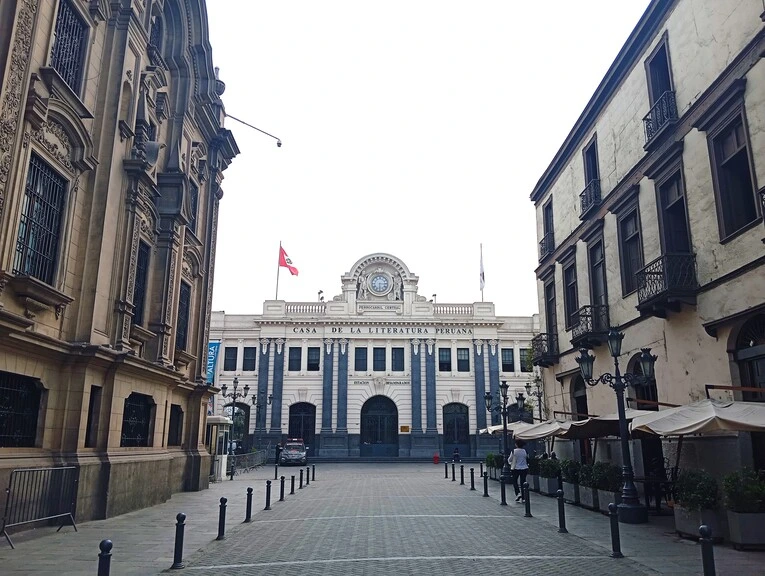
The walk also includes visits to the nave of Santo Domingo Church, whose construction began in 1535, and the House of Peruvian Literature, formerly the Desamparados Railway Station. Before continuing, your guide will stop for an optional tasting of the traditional Pisco Sour, Peru’s signature cocktail. After the toast, you’ll visit San Francisco Monastery, a masterpiece of religious architecture, and La Muralla Park.
Photo: Correo newspaper
*Midday: Once the free tour ends, it’s an excellent idea to enjoy lunch or a light meal in Lima’s Historic Centre. Remember that Peru is a world-renowned culinary destination, and its capital is celebrated for the exceptional talent of its chefs. If you’d like to experience authentic local flavours, head to the Central Market, where you’ll find countless food options. If you’re tempted by the unique fusion of Chinese and Peruvian cuisine, visit one of the traditional chifa restaurants in Chinatown.
Another great option is the selection of restaurants along Olaya Passage, just beside Plaza de Armas, where you’ll find affordable criollo set menus for around 15 to 20 soles (£3 to £4). It’s the perfect opportunity to try some of Peru’s most iconic dishes, including ceviche, causa rellena, papas a la huancaína, lomo saltado, seco a la norteña with beans, ají de gallina, and cau cau, among many others.
Photo: ¿Y tú qué planes?
*Evening: If you’d like to experience an unforgettable display of lights, laser effects, 3D projections, and dancing fountains synchronised to music, book your place on the Magic Water Circuit Night Free Tour. This evening excursion offers a completely different perspective of Lima’s Historic Centre. Once the sun goes down, the old quarter takes on a magical atmosphere that’s well worth exploring.
During the free tour, you’ll walk across the Stone Bridge (Puente de Piedra, also known as Old Bridge or Trujillo Bridge), the oldest bridge in the city, which spans the Rímac River. Located behind the Government Palace, it has witnessed centuries of Lima’s history. The tour continues along the lively Jirón de la Unión and finishes at Plaza San Martín, where you’ll take a taxi to the Magic Water Circuit (taxi fare not included).
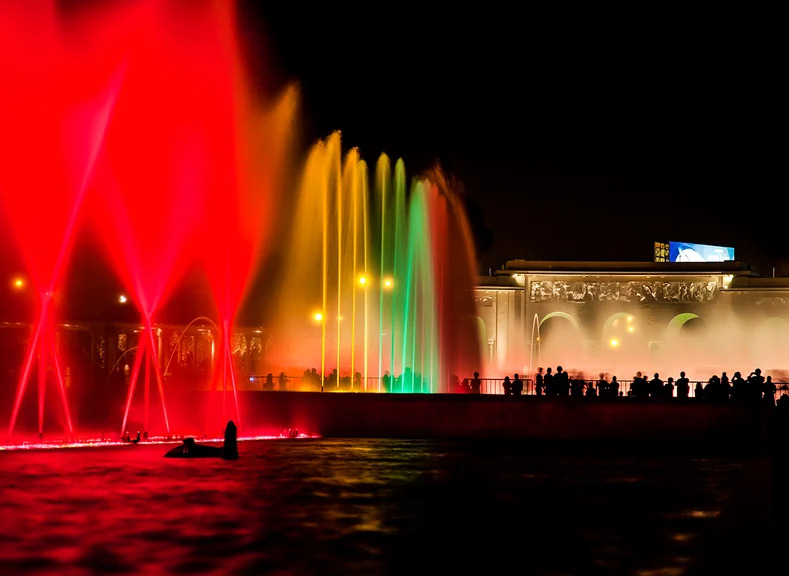
Once there, you’ll enjoy the spectacular nightly show presented across the circuit’s 13 ornamental fountains, located in Parque de la Reserva, a site declared Cultural Heritage of the Andean Region in 2024. The synchronised fountains, dazzling light displays, music, and 3D projections featuring iconic symbols of Peruvian culture create a unique experience unlike anything else in Peru or Latin America.
The night free tour ends here. Please note that admission to the Magic Water Circuit is not included. The entrance fee is 5 soles (approximately £1) for adults.
Day 2: Miraflores, the Seafront Promenade, and the Bohemian Charm of Barranco
Photo: ¿Y tú qué planes?
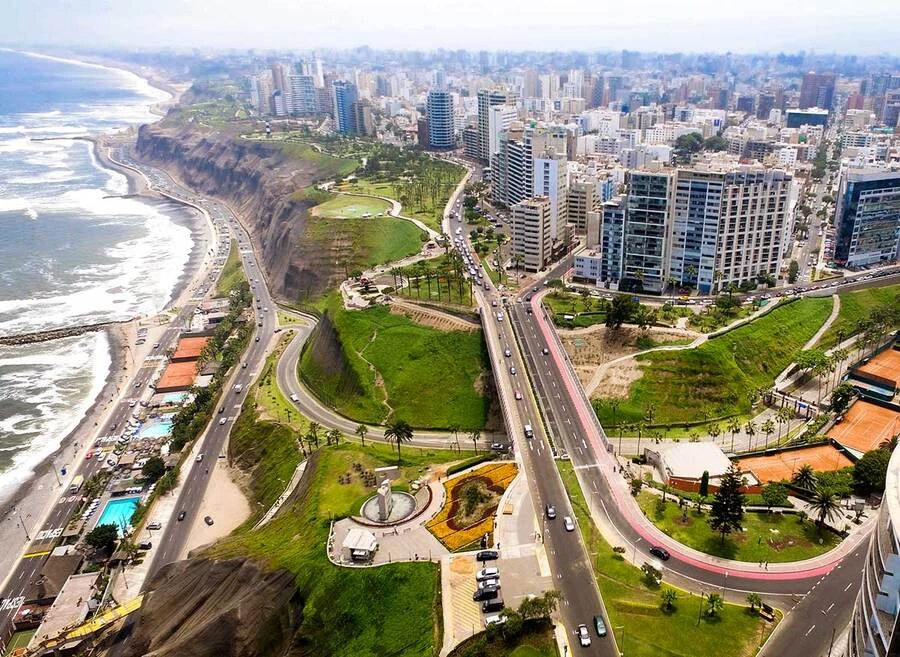
*Morning:It’s time to discover Miraflores, one of the favourite districts among both Peruvian and international visitors thanks to its peaceful atmosphere, excellent hotels and restaurants (to suit every budget), and its wide variety of tourist attractions and shopping areas. Add its stunning coastal location to the mix, and it’s easy to see why it deserves a place on any Lima itinerary.
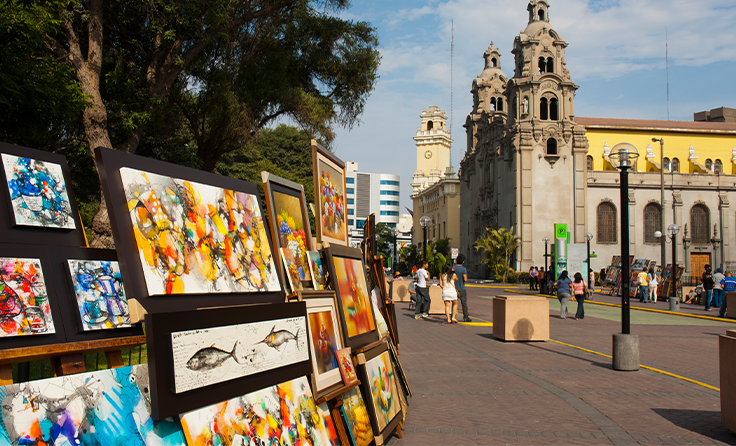
If you’d like to explore the district without stretching your budget, book a place on ourMiraflores: Living History by the Sea Free Tour, available every day in both English and Spanish. Led by a local guide, you’ll stroll through Kennedy Park (Central Park), the lively heart of the district, and visit the ChocoMuseo, where you’ll learn about—and sample—Peruvian cocoa.
The tour continues with a series of fascinating stops. You’ll see the former homes of Ricardo Palma, author of the Peruvian Traditions, and Raúl Porras Barrenechea, the renowned historian and politician. You’ll also visit the historic La Tarumba Circus House, browse the artisan markets along Petit Thouars Avenue, and finish with an exterior view of Huaca Pucllana, a remarkable reminder of Lima’s ancient past surrounded by the modern city.
*Lunchtime: Miraflores is packed with restaurants offering an incredible range of culinary experiences. From traditional Peruvian dishes to international cuisine and dedicated vegan restaurants, there’s something for everyone. If you’re travelling on a budget, look for restaurants serving set lunch menus—typically including a starter or soup, a main course, a soft drink, and sometimes dessert—popular with local workers.
Along Porta Street, Esperanza Street, and the roads bordering the district of Surquillo, you’ll find plenty of affordable restaurants offering meals for around 15 to 20 soles (£3 to £4). Another budget-friendly favourite is pollo a la brasa (Peruvian rotisserie chicken), a hearty and delicious meal, as well as the excellent-value set menus served in the district’s chifa restaurants.
Phto: Arqueología del Perú
*Evening:Head to Barranco, Lima’s artistic and nightlife district. Right next to Miraflores, this charming neighbourhood—long associated with poets, artists, and musicians—offers breathtaking views across Lima Bay, elegant republican mansions transformed into museums and galleries, and colourful streets where local artists have turned walls into vibrant murals and striking graffiti masterpieces.
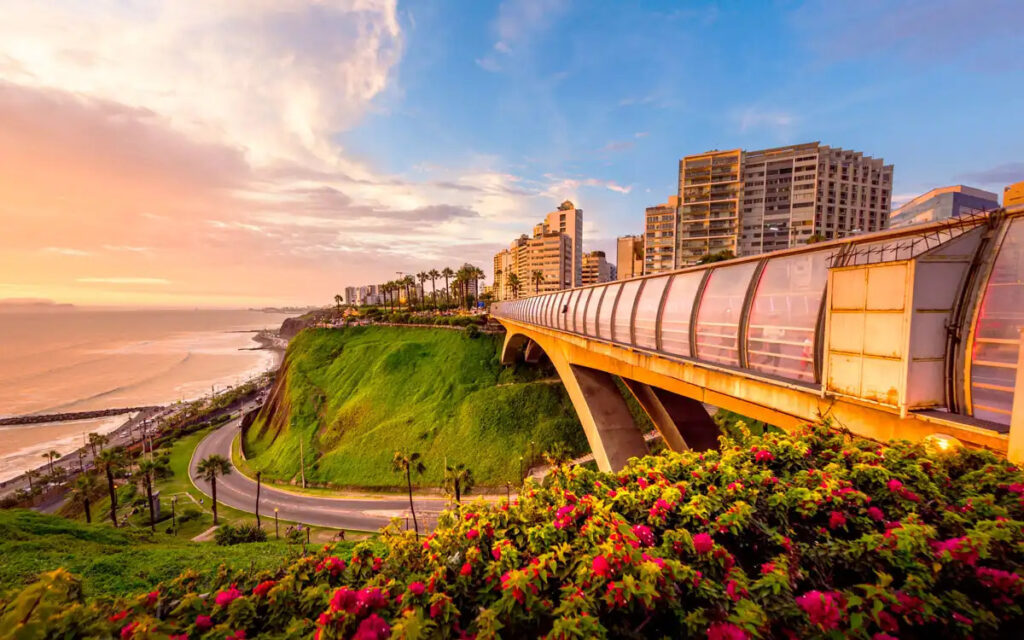
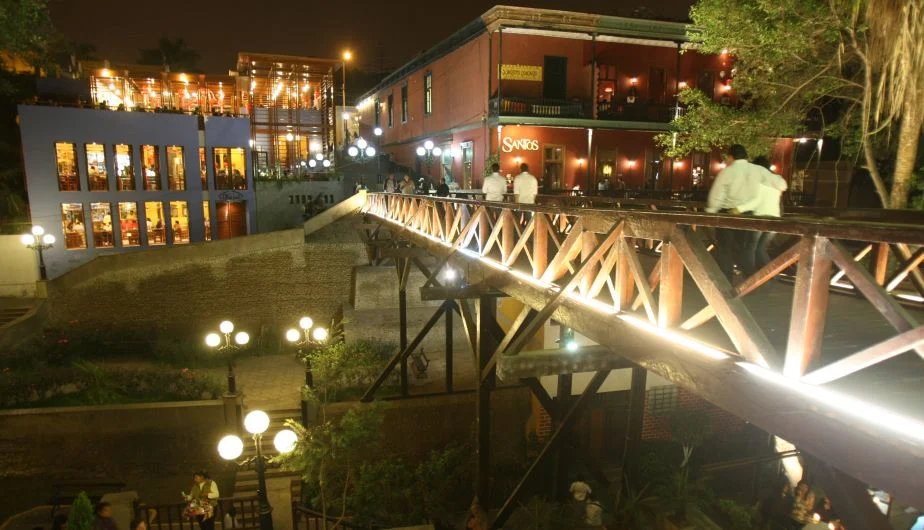
Be captivated by the colours and creativity of Barranco on the Colours and Art Free Tour, which runs every evening at 17:30 in both English and Spanish. During the tour, your local guide will take you to admire and photograph murals and street art created by a variety of talented artists. You’ll then visit the famous Bajada de los Bañosand the iconic Bridge of Sighs, two of Lima’s most recognisable landmarks.
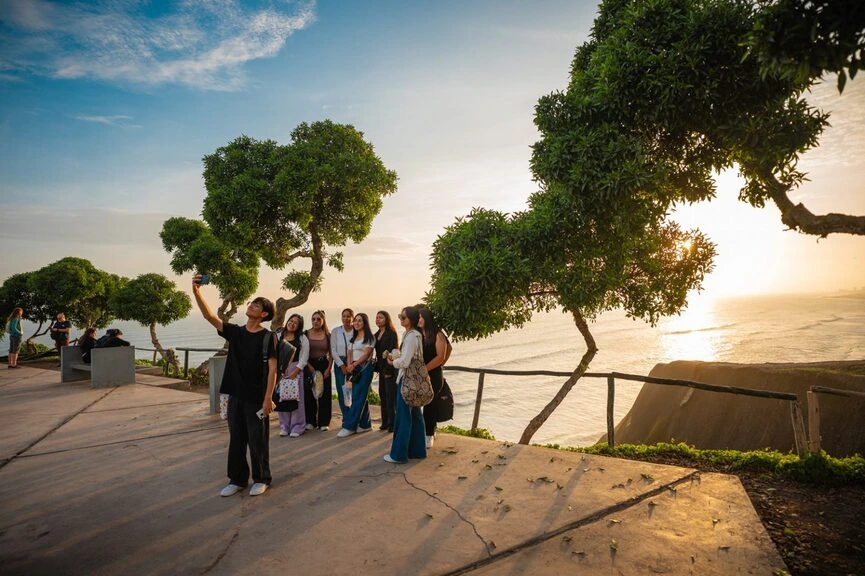
The experience also includes a visit to the gallery of acclaimed artist Jade Rivera and the historic Ermita, a chapel dating back to the 18th century. The tour finishes with spectacular sea views from the Catalina Recavarren Viewpoint, followed by a leisurely stroll through Barranco Municipal Park. Once the free tour ends, it’s well worth staying a little longer to soak up the district’s relaxed, bohemian atmosphere in its bars, pubs, restaurants, and lively nightlife venues.
Option 2: Lima Premium Plan
Designed for: Couples, families, older travellers, and anyone looking for comfort, exclusivity, and premium service throughout their 2-day itinerary.
Photo: Infobae
Day 1: Classic City Tour of Miraflores, Lima Historic Centre, and San Isidro
Morning: If you’d like to discover Miraflores, Lima Historic Centre, and San Isidro in complete comfort while enjoying a premium experience, book the Classic Lima City Tour. This exclusive and comfortable excursion begins with pick-up from your accommodation, followed by travel in a modern tourist vehicle equipped with air conditioning and heating. Groups are kept small, and the price includes all entrance fees to the attractions visited during the tour.
Your city tourbegins along the Miraflores seafront promenade, where you’ll enjoy spectacular views over the Pacific Ocean. You’ll also drive past Larcomar, the famous shopping centre built into one of Lima’s dramatic coastal cliffs. The itinerary continues to Love Park (Parque del Amor), where you’ll be amazed by The Kiss, the iconic sculpture by Peruvian artist Víctor Delfín, as well as the beautiful ocean views and the inspiring verses decorating the park’s walls and benches.
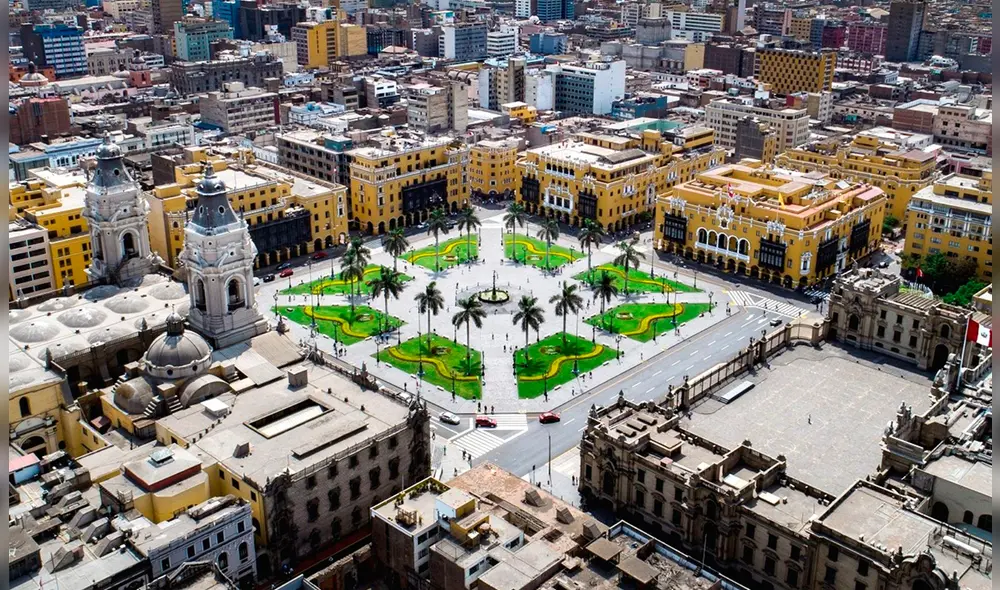
Next, you’ll head to Lima’s Historic Centre. In the area known as the “Pizarro Grid”, you’ll stroll around Plaza de Armas and admire its remarkable architectural landmarks, including the Cathedral, the Casa del Oidor, the Government Palace, the Municipal Palace, and the Archbishop’s Palace. The itinerary also includes a visit to the Catacombs of the Church and Convent of San Francisco, one of the most impressive examples of colonial architecture in the Americas.
Before returning to your hotel in Miraflores, your transport will stop at El Olivar Park in San Isidro, whose history dates back to the 16th century, when Friar Martín planted the first olive trees on the lands of the ancient Lordship of Guatica. After around 4 hours exploring the city, you’ll return to your accommodation, ready to head out for lunch. The choice is yours—from traditional Peruvian cuisine to international dishes or creative fusion restaurants.
Afternoon and Evening: Make the most of your free time by exploring the parks and streets of Miraflores. Relax in its cafés and restaurants, browse the artisan markets and shopping centres, or enjoy its cinemas, galleries, and theatres. You could also venture into the neighbouring district of Barranco, renowned for its vibrant nightlife and unmistakable bohemian atmosphere.
Day 2: Pachacamac Archaeological Sanctuary and Traditional Barranco
Photo: Pachacamac museum
If you’re wondering what to do on your second day in Lima, we have an irresistible suggestion: our Pachacamac and Barranco Tour, an excursion that takes you to the city’s most important archaeological site. In pre-Hispanic times, the Oracle of Pachacamac was revered throughout both the coast and the Andes. Even the Incas—the powerful “Children of the Sun”—believed in its prophecies and continued to worship there.
Join this tour, available Tuesday to Sunday at 09:00 and 13:30. If you prefer, you can also book it as a private tour for an even more comfortable and personalised experience. Whichever option you choose, you can be sure you’ll enjoy an unforgettable excursion that begins with pick-up from your hotel or accommodation. Whether you speak English or Spanish, there’s no need to worry—our guides are fluent in both languages.
Before reaching the Pachacamac Archaeological Sanctuary, you’ll visit Barranco. Here, your guide will show you the Municipal Park, the Bajada de los Baños, the romantic Bridge of Sighs, and the statue of Chabuca Granda, the celebrated singer-songwriter behind La Flor de la Canela and José Antonio, two iconic Peruvian songs that have become internationally renowned. The final stop in Barranco is to admire the colourful street art and graffiti created by local artists.
Photo: Infobae
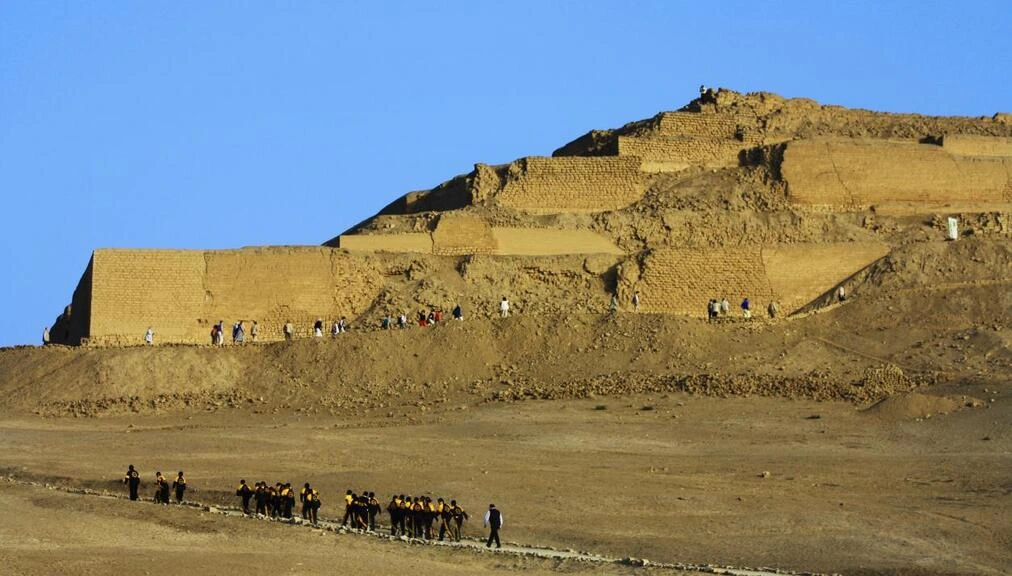
The tour then continues through the Site Museum and the archaeological sanctuary itself. You’ll explore the Old Temple, the Painted Temple, the Temple of the Sun, and the Temple of the Moon, along with other adobe structures successively occupied by the Lima, Ychsma, Wari, and Inca cultures. The sanctuary is believed to be more than 2,000 years old, and its most treasured object was the famous wooden idol known as Pachacamac, whose name translates as “the one who gives life to the world.”
After the visit, you’ll return to Miraflores by tourist transport (around 13:30). The rest of the afternoon and evening will be yours to relax or continue exploring at your own pace, knowing that Lima always has something to offer, whatever your budget. All you need to do is plan your itinerary and choose the experiences that suit you best. We look forward to welcoming you to the capital of Peru!
Photo: Municipality of Miraflores
Walk through a city with ancient roots. Discover its architecture, culture, traditions and flavours. Listen to a local guide sharing stories about the past and present of their city, as well as their own experiences in its streets, squares and hidden corners. Lima, the capital of Peru, is a destination that deserves to be explored step by step, from its Historic Centre to its beautiful coastline.
Free walking tours are the perfect way to discover the many sides of the “City of Kings”, as Lima was originally named by its Spanish founders. Get ready to enjoy these free group tours (at the end of the tour, you are welcome to leave a tip for your guide), which offer a unique introduction to the city’s pre-Hispanic, colonial and republican heritage, all within a vibrant and cosmopolitan setting.
Don’t think twice. Discover, learn and enjoy the 10 best free walking tours in Lima. They’re not the only ones available, but they are certainly the must-see experiences. If you were only planning to spend a few hours in the capital, it’s time to change your plans and book your place on one or more of our exciting city tours. Welcome to Lima! Welcome to our capital!
1. Free Walking Tour of Lima’s Historic Centre
If you’d like to discover colonial and republican Lima from a different perspective while listening to the insights of a knowledgeable local guide, join this classic free walking tour that takes you to the main attractions of the Historic Centre. As you stroll through the city’s original colonial quarter, every step will lead you to elegant mansions with beautifully carved balconies, historic squares, and churches and convents filled with centuries of history.
What you’ll see: In the old city, you’ll walk along Jirón de la Unión, admire the Plaza de Armas, and witness the ceremonial Changing of the Guard in the courtyard of the Government Palace. Afterwards, your guide will take you to the Cathedral, the nave of Santo Domingo Church, and the Peruvian House of Literature. Before continuing, you’ll have the chance to taste the traditional Pisco Sour (optional). Finally, you’ll visit the Convent of San Francisco and La Muralla Park.
Schedule: Monday to Saturday at 10:00 (departure/pick-up in Miraflores), 11:00, and 15:00 (departure from the Historic Centre).
Meeting point: In Miraflores, at Pasaje Porta 132 (outside the entrance to the Oechsle department store). In the Historic Centre, at the monument to Marshal Ramón Castilla, opposite La Merced Church (Block 6 of Jirón de la Unión). Your guide will be wearing a green vest.
Languages: Tours are available in English and Spanish at the scheduled times. Please note that these free walking tours are exclusively for international visitors.
Price: At the end of your free walking tour, you are welcome to leave a voluntary tip for your guide. The amount is entirely up to you.
Enjoy a fun evening in Lima, the “City of Kings”. On this free walking tour, you’ll visit the oldest bridge in the Peruvian capital before finishing at the spectacular fountains of the Parque de la Reserva. Explore the streets of the Historic Centre beneath the glow of the streetlights, then be amazed by the dazzling light displays and the “dancing” fountains of the Magic Water Circuit, one of Lima’s most popular modern attractions.
What you’ll see: During this free tour, your guide will lead you to the Stone Bridge (Puente de Piedra), regarded as the oldest bridge in the capital. Built between 1608 and 1610, it stands just behind the Government Palace. You’ll then stroll along Jirón de la Unión towards Plaza San Martín, one of the great landmarks of republican Lima. From there, you’ll take a taxi to the Magic Water Circuit, where you’ll enjoy its impressive show of lights, music and fountains.
Schedule: Every day at 17:30.
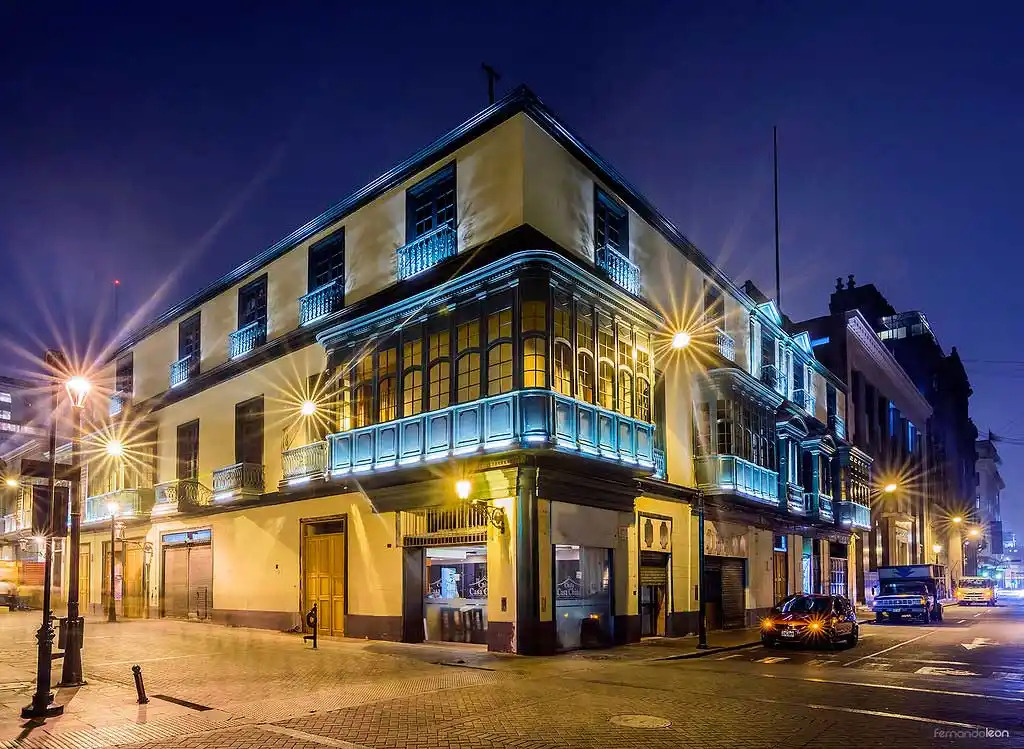
Meeting point: Casa de Osambela (Jirón Conde de Superunda 298, Lima Historic Centre).
Duration: 3 hours
Languages: Tours are available in English and Spanish. Please note that these free walking tours are exclusively for international visitors.
Price: At the end of the free tour, you are welcome to leave a voluntary tip for your guide. The amount is entirely up to you. Please note that the tour does not include the entrance ticket to the Magic Water Circuit or the taxi fare between Plaza San Martín and the Magic Water Circuit.
A tour filled with the scent of the sea breeze through a district where creativity comes alive in its streets, viewpoints, squares and art galleries. That’s exactly what you’ll discover in Barranco, Lima’s bohemian quarter and a haven for poets and artists, where colourful murals decorate the walls and elegant republican mansions have been transformed into vibrant cultural spaces. Let yourself be guided through Lima’s artistic neighbourhood—you’ll be captivated.
What you’ll see: Colourful murals inspired by Peruvian traditions and striking urban street art that brightens the neighbourhood. You’ll also visit the Bajada de los Baños, a picturesque walkway leading down to Lima’s coastline, and the romantic Bridge of Sighs (Puente de los Suspiros). The tour continues with visits to the gallery of renowned artist and researcher Jade Rivera, as well as an 18th-century Hermitage. Before the tour ends, you’ll admire panoramic views of the Pacific Ocean from a scenic viewpoint and stroll through the charming Municipal Park.
Schedule: Every day at 10:45, 14:00, and 17:30.
Meeting point: In front of the Santísima Cruz Parish (Barranco). Your guide will be carrying a green flag.
Duration: 1 hour 45 minutes
Languages: Tours are available in English and Spanish at the scheduled times. Please note that these free walking tours are exclusively for international visitors.
Price: At the end of the tour, you are welcome to leave a voluntary tip for your guide. The amount is entirely up to you.
Escape to artistic and hidden corners where republican architecture and beautiful surroundings capture the relaxed, bohemian atmosphere of Barranco. Let yourself be guided through the hidden paths of one of Lima’s most traditional districts, overlooking the Pacific Ocean and home to magnificent republican mansions that have been transformed into museums, art galleries, bars, pubs and restaurants.
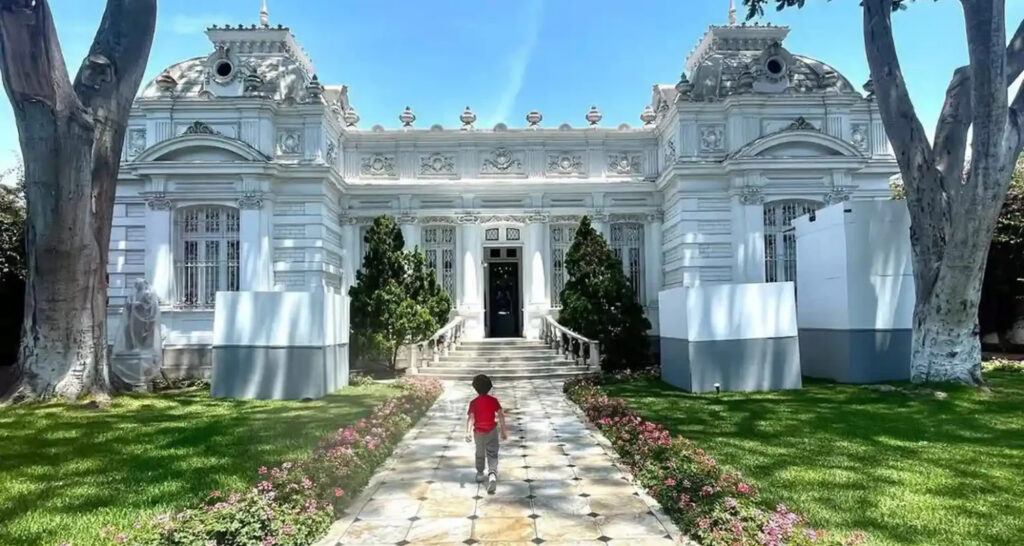
What you’ll see: The exterior of the Pedro de Osma Museum and Central Restaurante, named the World’s Best Restaurant in 2023 thanks to its innovative tasting menus. The tour also includes a look at a historic republican tram, breathtaking views of the Pacific Ocean from the Bresciani Viewpoint, a visit to Piselli Bar & Bodega, a venue that feels as though it has been lifted straight from the Old West, and the Juan Parra del Riego Cultural Centre.
Schedule: Every day at 10:00.
Meeting point: 270 Panamericana Sur Avenue, Barranco. Use the Estadio Unión Metropolitano bus station as your reference point.
Duration: 2 hours
Languages: Tours are available in English and Spanish at the scheduled time. Please note that these free walking tours are exclusively for international visitors.
Price: At the end of the tour, you are welcome to leave a voluntary tip for your guide. The amount is entirely up to you.
5. Lima Culinary Free Walking Tour: A Journey of Flavours
Photo: Directo al Paladar
Take your taste buds on a journey through Lima, one of the world’s great culinary capitals, where an incredible variety of flavours awaits. Treat yourself as you stroll through the streets of the Historic Centre and sample some of Peru’s most iconic dishes and desserts. Trust your local guide to lead you to some of the city’s tastiest spots. Enjoy your meal!
What you’ll taste: During this free food tour, you’ll savour traditional desserts such as mazamorra morada (purple maize pudding), rice pudding, picarones (Peruvian sweet potato doughnuts), suspiro a la limeña, and chocolates made with Peruvian cacao. You’ll also experience the bold flavours of ceviche—Peru’s national dish—enjoy the famous causa limeña, prepared with mashed potatoes, and finish with the ever-popular pollo a la brasa (Peruvian rotisserie chicken), served with chips and a selection of delicious sauces.
Schedule: Every day at 09:45, 15:30, and 18:30.
Meeting point: At the entrance of the Gran Hotel Bolívar, on Plaza San Martín, Lima Historic Centre. Your guide will be wearing a cream-coloured vest with the Lima Cultra Tour logo.
Duration: 2 hours
Languages: Tours are available in English and Spanish at the scheduled times. Please note that these free walking tours are exclusively for international visitors.
Price: At the end of the free tour, you are welcome to leave a voluntary tip for your guide. The amount is entirely up to you. For the food tastings, we recommend bringing approximately 50 soles.
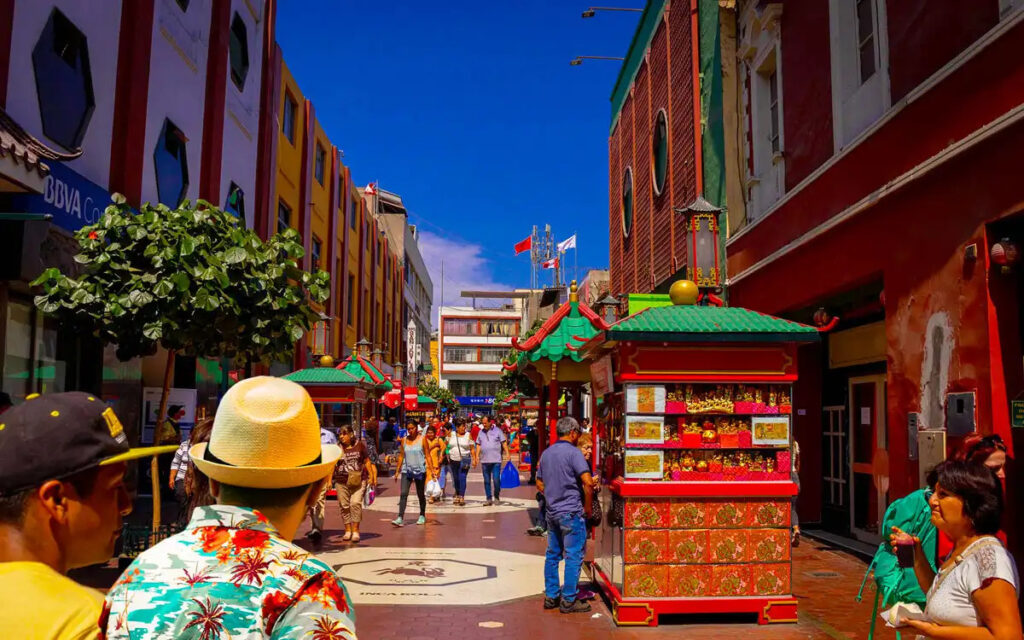
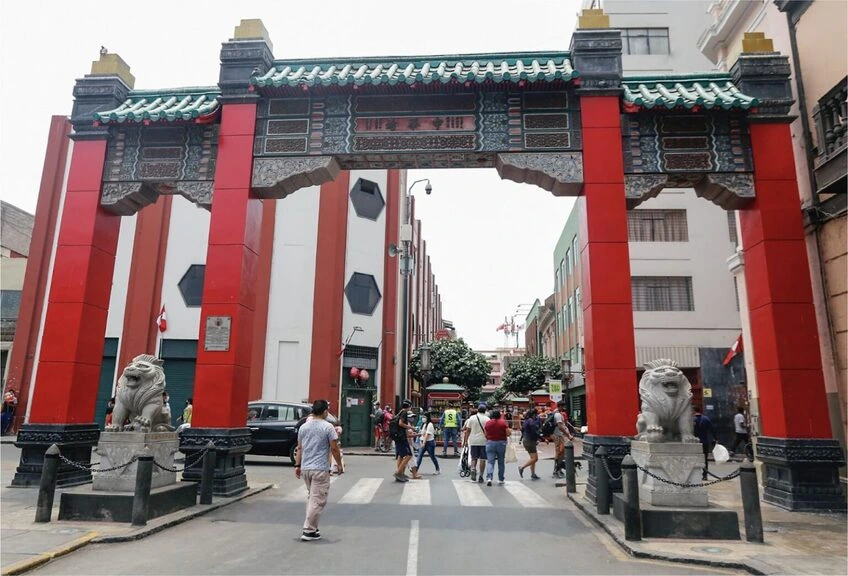
Treat yourself to an unforgettable food adventure through Lima’s Central Market, a true stronghold of traditional Peruvian cuisine in the heart of the Historic Centre. Here, the aromas and vibrant colours of local dishes are impossible to resist. But that’s only the beginning. This free walking tour continues into Lima’s Chinatown, where the famous chifas—restaurants originally opened by Chinese immigrants—serve delicious dishes that blend Asian and Peruvian flavours.
What you’ll taste: Sample papa a la huancaína, ceviche, and ocopa, three classic starters from Peruvian cuisine. Before moving on, refresh yourself with a glass of chicha morada or a fresh fruit juice at the Central Market. The free tour then continues in Chinatown, where you’ll try siu mai and min pao. Your culinary journey also includes picarones, queso helado, mazamorra morada, and arroz zambito. To round off the experience, you’ll enjoy a delicious Pisco Sour.
Schedule: Monday to Saturday at 12:45, and Monday to Friday at 12:30.
Meeting point: La Merced Church, opposite the monument to Marshal Ramón Castilla (Block 6 of Jirón de la Unión).
Duration: 2 hours
Languages: English tours are available at 12:45, while Spanish tours depart at 12:30. Please note that these free walking tours are exclusively for international visitors.
Price: At the end of the free tour, you are welcome to leave a voluntary tip for your guide. The amount is entirely up to you. For the food tastings, we recommend bringing approximately 70 soles. Your guide will be wearing a black T-shirt or vest with “Walking Tour” printed on the back.
7. Miraflores Free Walking Tour: Living History by the Sea
Photo: Mega Construcciones
Lima’s Historic Centre is not the city’s only attraction. Miraflores, a residential district stretching all the way to the Pacific coast, is one of the favourite destinations for visitors thanks to its unique combination of pre-Hispanic pyramids, beautiful green spaces, elegant homes once occupied by renowned Peruvian intellectuals, and a lively artisan market.
What you’ll see: Your free walking tour begins at Kennedy Park, where you’ll have the chance to meet the friendly cats that call this green oasis home. After that, you’ll sample Peruvian chocolate at the ChocoMuseo and visit the houses once lived in by the celebrated writer Ricardo Palma and the distinguished intellectual Raúl Porras Barrenechea. The tour also takes you to a colourful artisan market and the Huaca Pucllana, an impressive pre-Hispanic archaeological site (external visit only).
Schedule: Every day at 10:45, 14:00, and 17:30.
Meeting point: In front of the Miraflores Town Hall (400 José Larco Avenue). Your guide will be carrying a green flag.
Duration: 2 hours 15 minutes
Languages: Tours are available in English and Spanish at the scheduled times. Please note that these free walking tours are exclusively for international visitors.
Price: At the end of the free tour, you are welcome to leave a voluntary tip for your guide. The amount is entirely up to you.
8. Free Walking Tour: Lima’s Pyramids + El Olivar Park
Photo: Infobae
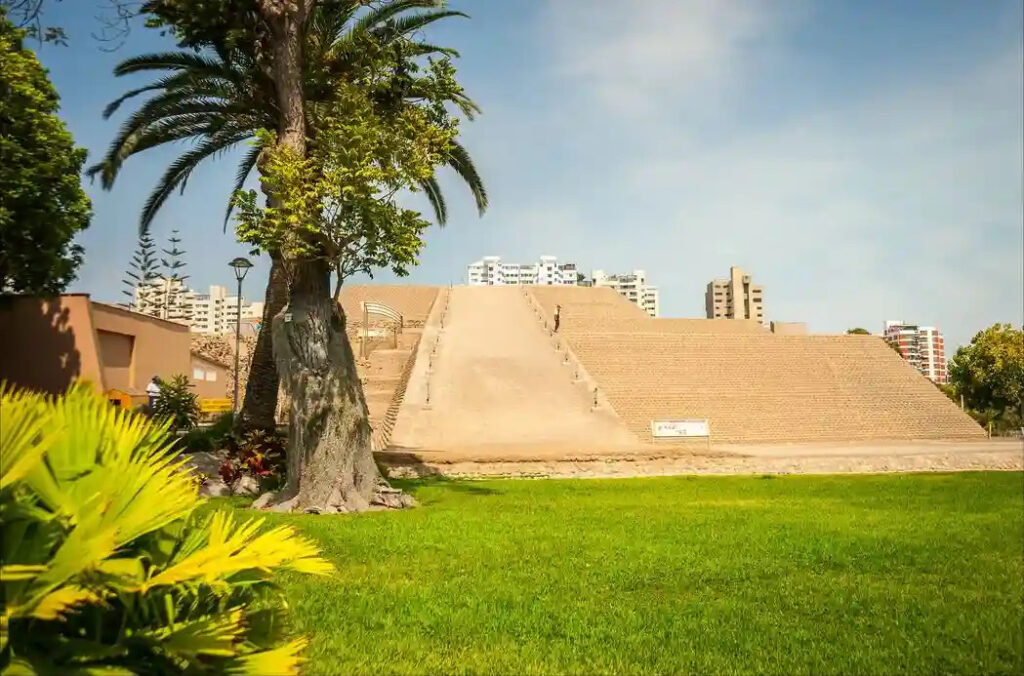
Discover another side of Lima on a tour through Miraflores and San Isidro, two modern districts known for tourism and business that still preserve remarkable traces of their pre-Hispanic past. Visit the ancient adobe pyramids of Huaca Pucllana and Huaca Huallamarca, built centuries ago to honour the gods. But archaeology is only part of the experience. During the tour, you’ll also enjoy the peaceful atmosphere and fresh air of the beautiful El Olivar Park, home to a historic olive grove dating back to colonial times.
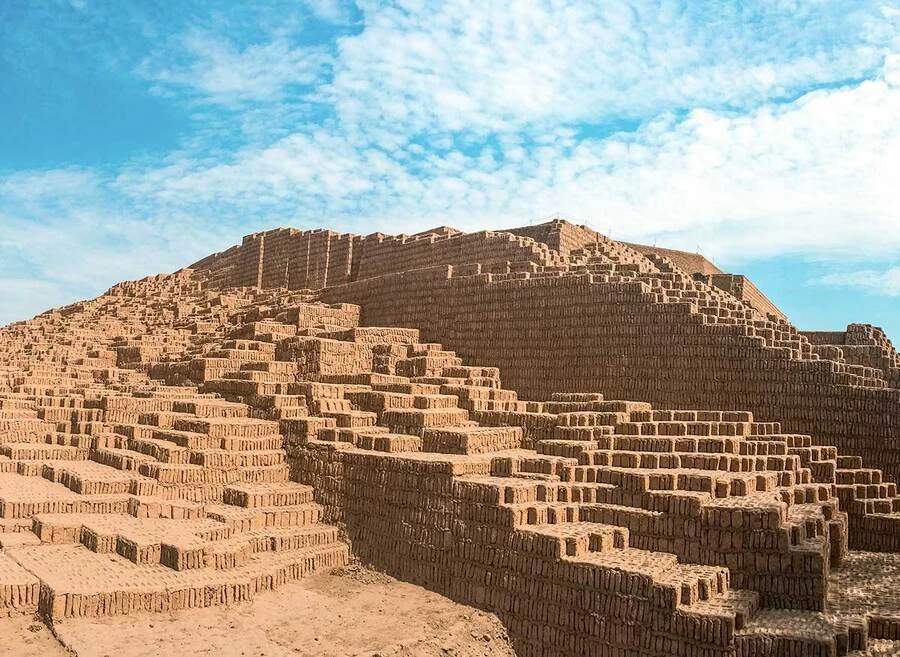
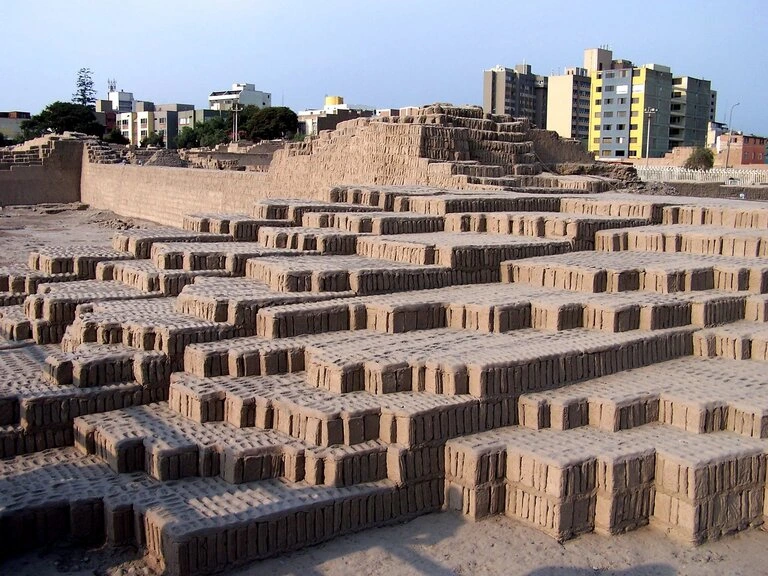
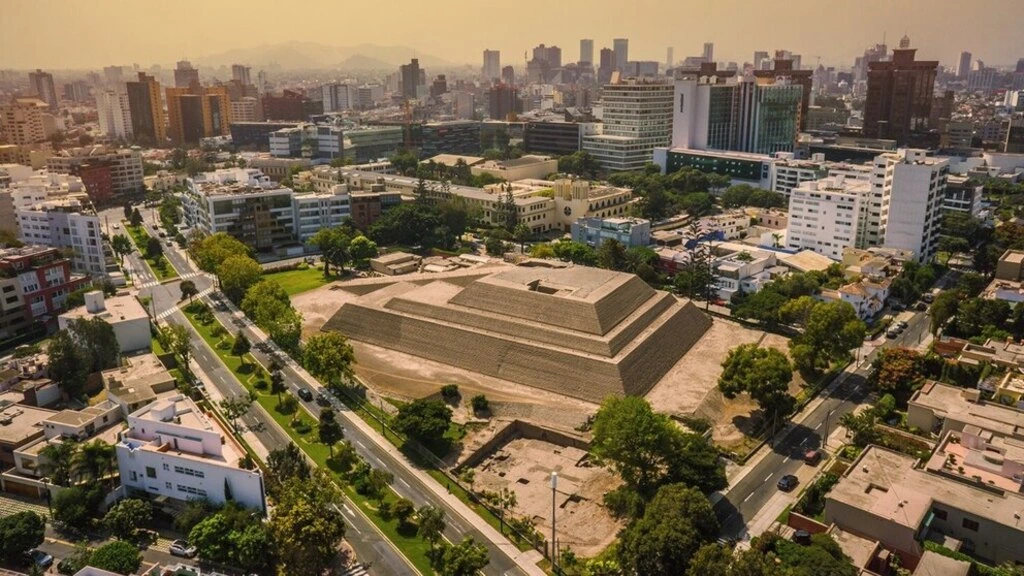
What you’ll see: Your journey begins at the impressive 22-metre-high truncated pyramid of Huaca Pucllana, Miraflores’ most important archaeological site. Afterwards, your guide will show you the façade of the House of the Count of San Isidro before taking you on a relaxing stroll through El Olivar Park, a lush green oasis in the heart of the city. To finish the tour, you’ll admire the striking truncated pyramid of Huaca Huallamarca, whose adobe bricks were crafted in the shape of maize kernels.
Schedule: Wednesdays, Fridays and Saturdays at 09:00.
Meeting point: At the entrance to Huaca Pucllana (Block 8 of General Borgoño Street, Miraflores).
Duration: 2 hours 15 minutes
Languages: Tours are available in English and Spanish at the scheduled times. Please note that these free walking tours are exclusively for international visitors.
Price: At the end of the free tour, you are welcome to leave a voluntary tip for your guide. The amount is entirely up to you. Please note that the tour does not include the entrance ticket to Huaca Pucllana (15 soles).
9. Free Walking Tour of Chorrillos: History, Art and the Sea
Photo: La República
Get closer to the sea and discover the fascinating history of one of Lima’s most traditional coastal districts. Founded in 1857, Chorrillos is a place of sea breezes, history and patriotism. It was the birthplace of José Olaya, the national hero who swam between Lima and Callao carrying secret messages for the patriot forces during Peru’s struggle for independence. It was also here that more than 4,000 Peruvians lost their lives defending the capital during the War of the Pacific (1879–1883), when the Chilean army invaded and occupied Lima.
What you’ll see: Sea views, plenty of sea views, and charming historic houses as you stroll along the Chorrillos seafront promenade. During the tour, you’ll enjoy spectacular views of the Artisanal Fishing Terminal, the Costa Verde, and Morro Solar, home to the Monument to the Unknown Soldier and the imposing Christ of the Pacific. The free tour concludes with panoramic views of the Salto del Fraile Promenade, seen from the Chorrillos waterfront.
Schedule: Every day at 10:00 and 13:00.
Meeting point: Terán Metropolitano Station (Chorrillos).
Duration: 2 hours
Languages: Tours are available in English and Spanish at the scheduled times. Please note that these free walking tours are exclusively for international visitors.
Price: At the end of the free tour, you are welcome to leave a voluntary tip for your guide. The amount is entirely up to you.
Lima’s Historic Centre is even more charming on Sundays. On this day, the city’s usual hustle and bustle fades away, and the old heart of the capital beats at a relaxed pace, perfect for wandering through its streets while admiring the grandeur of its mansions, churches and convents. Thanks to their remarkable architectural value, these landmarks form part of the historic urban landscape that UNESCO has declared a World Heritage Site.
What you’ll see:Discover the very best of historic Lima on this free walking tour, which begins in Plaza San Martín, inaugurated in 1921 to commemorate the centenary of Peru’s independence. You’ll then stroll along Jirón de la Unión towards Plaza de Armas, where the Spanish founded the city. The itinerary also includes stops at the House of Peruvian Literature and several artisan shops. The tour finishes with a refreshing pisco sour (optional).
Times: Sundays at 09:30, 09:45, 12:30, 15:30 and 18:30.
Meeting point: Outside the Gran Hotel Bolívar on Plaza San Martín, in Lima’s Historic Centre. Your guide will be wearing a cream-coloured vest with the Lima Cultra Tour logo.
Duration: 2 hours
Languages: Tours are available in English and Spanish at the times listed above. Please note that these free tours are exclusively for international visitors.
Price: At the end of the free tour, you are welcome to leave a voluntary tip for your guide. The amount is entirely up to you.
The Lima of old, the Lima of today, the Lima that captivates visitors with its grand mansions, churches, and convents, also enchants through its streets steeped in tradition and history. These characteristics transform its avenues into pathways that connect you with the viceregal past of the city founded by the Spanish conqueror Francisco Pizarro in the Rímac River Valley on 18 January 1535.
Declared a UNESCOWorld Heritage Site in 1991, the Historic Centre of the “City of Kings” — its original founding name — “possesses all the elements and physical characteristics that convey its Outstanding Universal Value”, serving as “a testimony to the architecture and urban development of a Spanish colonial city of great political, economic, and cultural importance in Latin America”.
These are some of the criteria that justified UNESCO’s decision and, at the same time, they are compelling reasons to explore “Old Lima”. So, get ready to wander through the city centre, discovering its architecture, historical events, and the stories that give a distinctive character to the streets, avenues, and passageways awaiting you. You will enjoy uncovering them at a leisurely pace when your travel plans bring you to Peru and the “City of Kings”.
To inspire and tempt you, below you will find a guide to the most famous streets of the “Three Times Crowned City”, another name given to the metropolis that, during the viceregal period, was the most important political, economic, and administrative centre in South America. This significance is still evident in its architecture, which, despite the passing of centuries and numerous earthquakes, remains standing to this day.
Jirón de la Unión
Photo: Perú-Retail.com
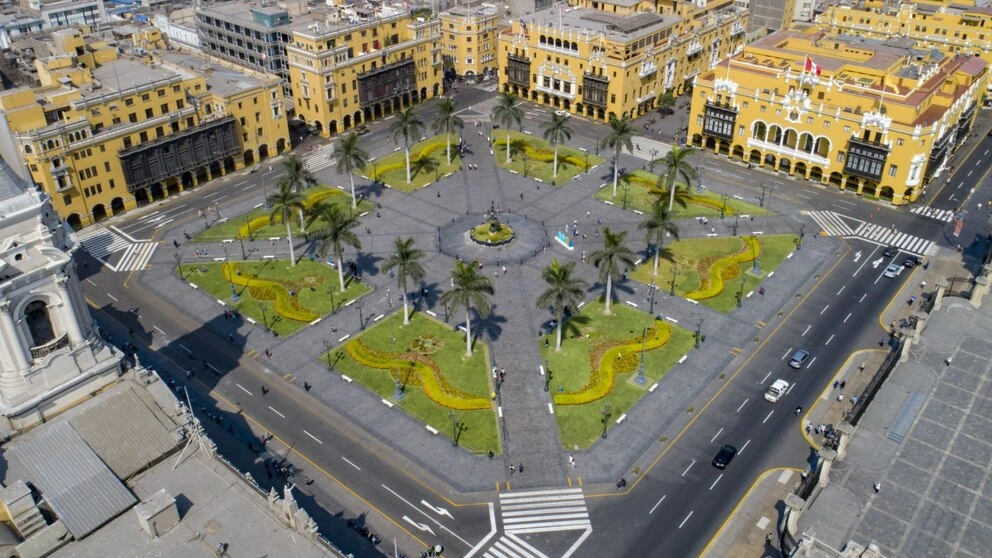
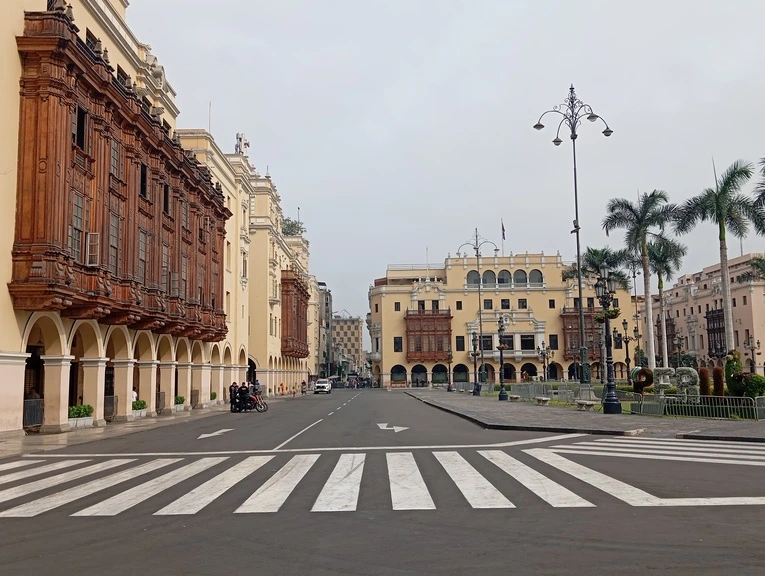
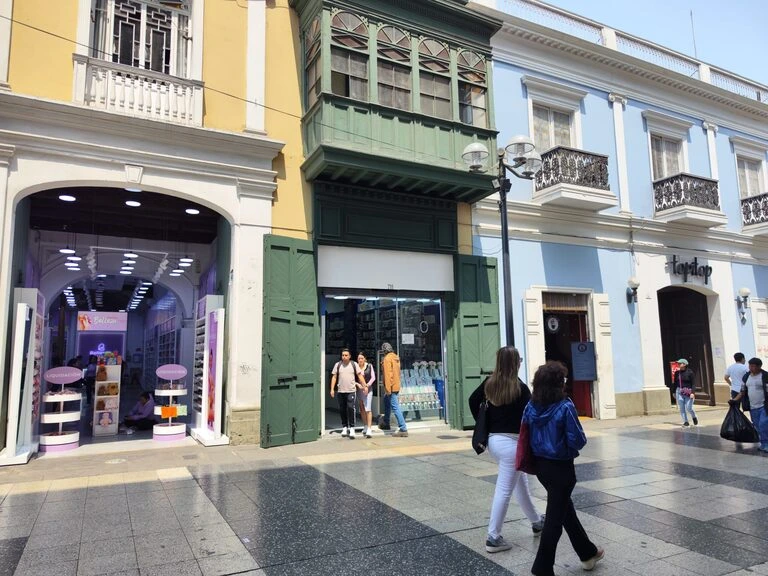
The heart of the heart of Lima. An unmissable pedestrian street for any traveller. This urban thoroughfare connects Plaza de Armas — the centre of the country’s political and religious power — with Plaza San Martín, dedicated to the liberator who proclaimed Peru’s independence on 28 July 1821. In doing so, it serves as a symbolic corridor or bridge between the colonial and republican eras.
The origins of this famous street date back to the Spanish founding of Lima in 1535. It was Francisco Pizarro who laid out its original design, although he did not give it its current name. At that time, each of its 11 blocks had a different name. It was home to wealthy families and, at the same time, a key centre of commercial activity. In fact, one section was known as Mercaderes (Merchants).
Its current name was adopted in 1862 through the initiative of the military hero Mariano Bolognesi and the writer Manuel Atanasio Fuentes. The street was pedestrianised in 1981 during the administration of Mayor Manuel Orrego. Despite the many changes and Lima’s transformation into a modern metropolis, Jirón de la Unión has retained its architectural and commercial splendour. Its golden age came in the late 19th century and the first half of the 20th century.
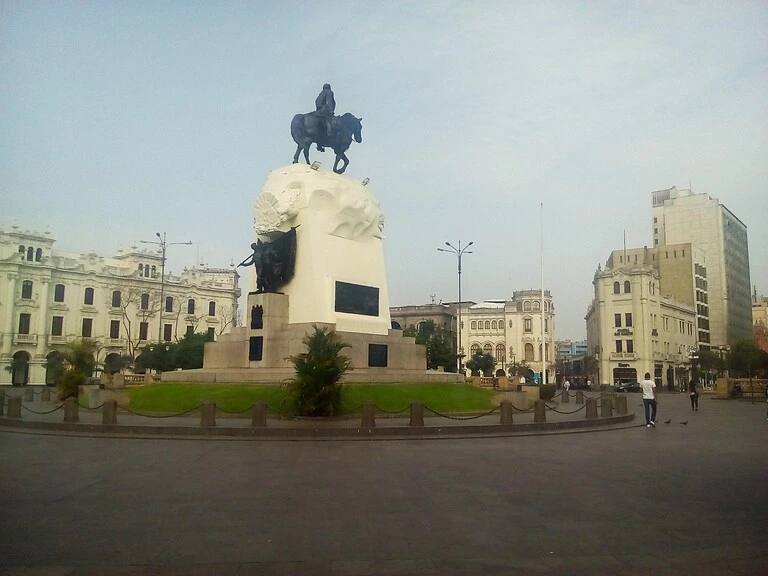
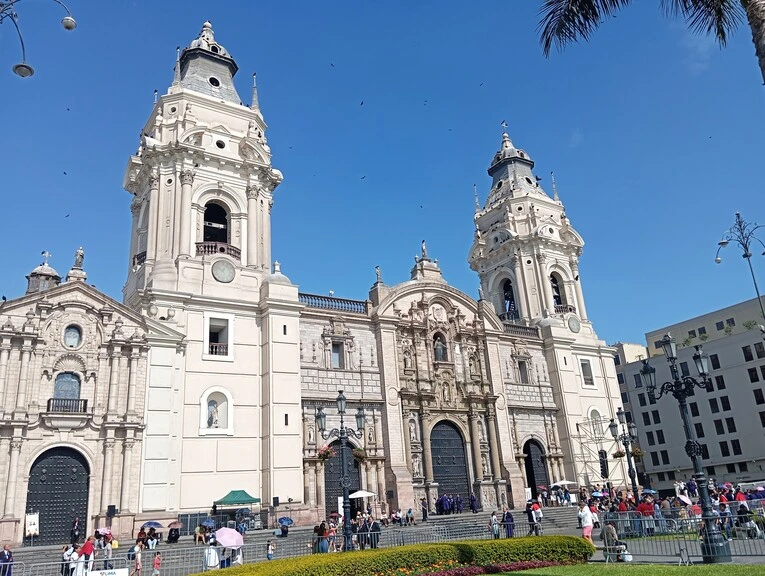
As you stroll along the street, take time to admire Plaza San Martín, with its equestrian monument to the liberator and its distinctive Neo-Colonial and Neo-Baroque architecture. Also worth visiting is the Church of La Merced, dating from the 16th century and renowned for its impressive Churrigueresque Baroque façade. The colonial and republican balconies are another highlight, as is Plaza de Armas itself, framed by the Cathedral and the Government and Municipal Palaces.
Jirón Carabaya
During the colonial period, this street, which runs parallel to Jirón de la Unión, was known by several names, including Fish Market (as it housed Lima’s first seafood market), Cathedral Steps, Rag Dealers’ Street, and Coca Street. Its current name, Carabaya, honours one of the provinces of the department of Puno, located in southern Peru. The change took place in 1862 as part of a reorganisation process of the historic “Pizarro Grid”.
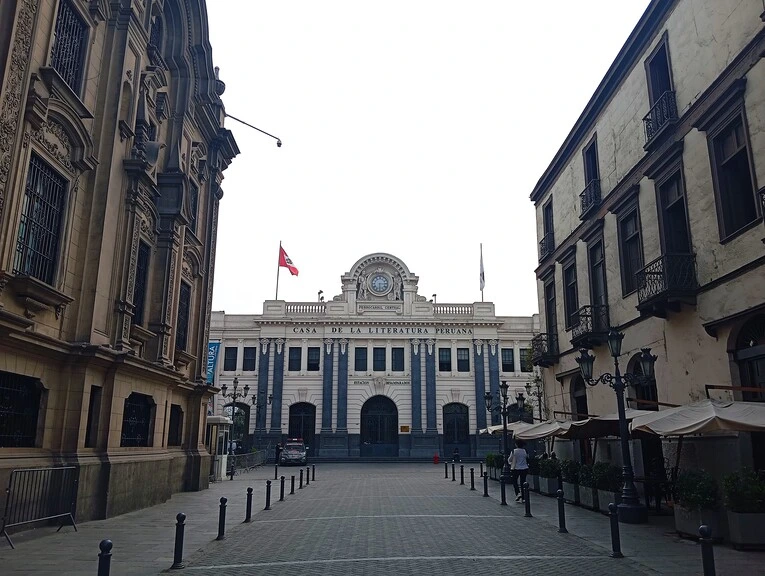
Jirón Carabaya links Plaza San Martín with the Desamparados Railway Station, now home to the Peruvian House of Literature. Several figures of great historical significance lived along this street, including Marshal Ramón Castilla, the president who abolished slavery in 1854, and Augusto B. Leguía, who governed the country for fifteen years (1908–1912 and 1919–1930).
Your journey should not end at Plaza de Armas. It would be a serious travel mistake not to continue all the way to Desamparados Station. Make your way along the fourth block of Carabaya, considered by both visitors and Lima residents to be one of the hidden gems of the Historic Centre thanks to its peaceful atmosphere, beautiful colonial and republican architecture, and traditional commercial establishments.
Here, you will walk between one of the side walls of the Government Palace and a series of historic buildings where fine leather goods—especially shoes—have long been sold, alongside cafés and a variety of shops. At the end of the street stands the impressive railway station, and directly opposite is the traditional Cordano Bar, a favourite gathering place for presidents and many notable figures in Peruvian politics.
Jirón Áncash
A place seemingly frozen in time, where the hustle and bustle of modern life fades into the tranquillity of a street best explored at a leisurely pace. Walk it step by step to discover Desamparados Station, with its French-inspired design typical of early 20th-century Limeño architecture; the Bodega y Cuadra Museum; and the Afro-Peruvian Museum, housed in the colonial Casa de las Trece Monedas (House of the Thirteen Coins).
The greatest reward of this journey, however, is the Church and Convent of San Francisco, located at the end of Jirón Áncash, at its junction with Jirón Lampa. Declared a UNESCO World Heritage Site, this architectural and religious complex is one of the most important in the Americas. Make the most of your visit by exploring its museum and its atmospheric underground catacombs.
Like Jirón de la Unión and other streets in the Historic Centre, this road was originally laid out by Francisco Pizarro. Its current name, adopted in 1862, commemorates a mountainous region in the northern Peruvian Andes. Áncash is home to the Cordillera Blanca, the highest tropical mountain range in the world. Among its peaks stands Huascarán, the highest mountain in Peru at 6,768 metres.
Returning to Lima and Jirón Áncash, it is worth noting that during the colonial era the city’s first butcher’s shop operated here, on the second block of the street, then known as Rastro de San Francisco. At the end of your day, enjoy a chilcano or a pisco sour at the traditional Cordano Bar (on the corner with Jirón Carabaya). Pair your drink with a butifarra (a classic Limeño sandwich) or a serving of tacu tacu with breaded steak.
Olaya and Santa Rosa Passages
Photo: Peruvian News Agency Andina
These are two charming pedestrian passages that lead directly to Lima’s Plaza de Armas. Olaya Passage is as old as the city itself and lies between Jirón de la Unión and Jirón Carabaya. Throughout its history, it has been known by several names, including Petateros Alley (named after mats woven from palm leaves), Hatmakers’ Alley, and Merchants’ Alley, reflecting its bustling commercial activity.
It was also known as Cross Alley because, during the colonial period, criminals were executed at a cross that stood in the Plaza Mayor (now Plaza de Armas). Its current name dates from the 20th century and honours José Olaya, a national martyr and courageous fisherman from the district of Chorrillos. During Peru’s struggle for independence, he used his skills as a swimmer to carry secret messages between the patriots of Lima and Callao.
Santa Rosa Passage is located beside the Municipal Palace and extends as far as Jirón Camaná. It originated during the republican era, dating from 1940, and its name honours Saint Rose of Lima, the first saint of the Americas. A number of restaurants give this passage a distinctive character. In 1985, a commemorative stone was placed here in honour of Curaca Taulichusco, who governed the Rímac Valley until the arrival of Francisco Pizarro.
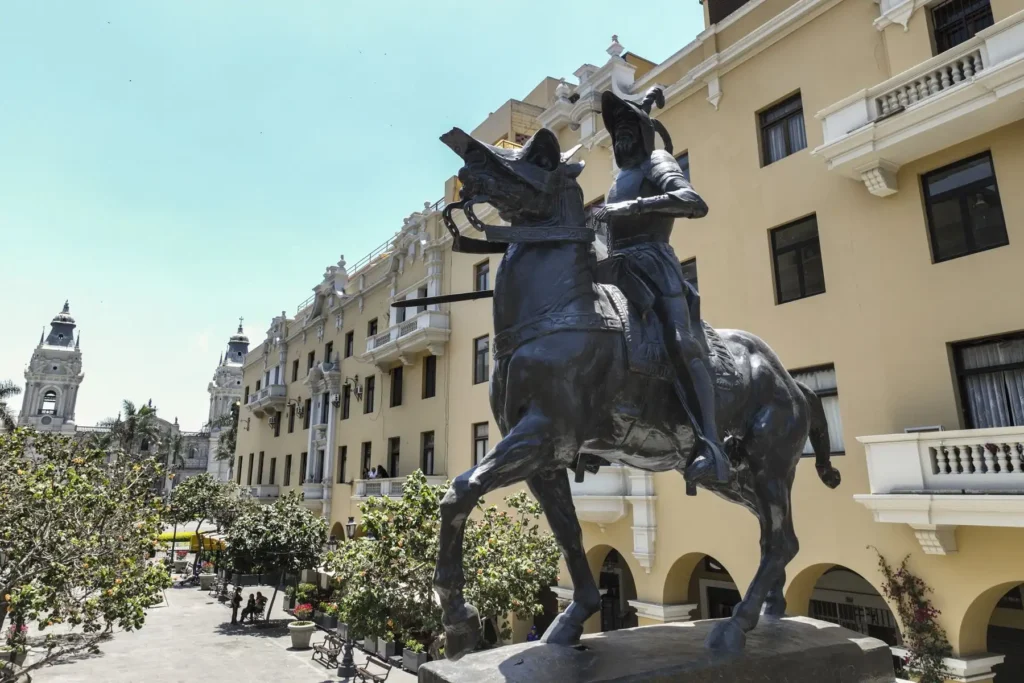
Interestingly, the monument to the Spanish conquistador was recently relocated to this passage after spending several years in the Park of the Wall (Parque de la Muralla).
Other Streets, Other Experiences
Photo: Francisco Anzola, capture in Flickr
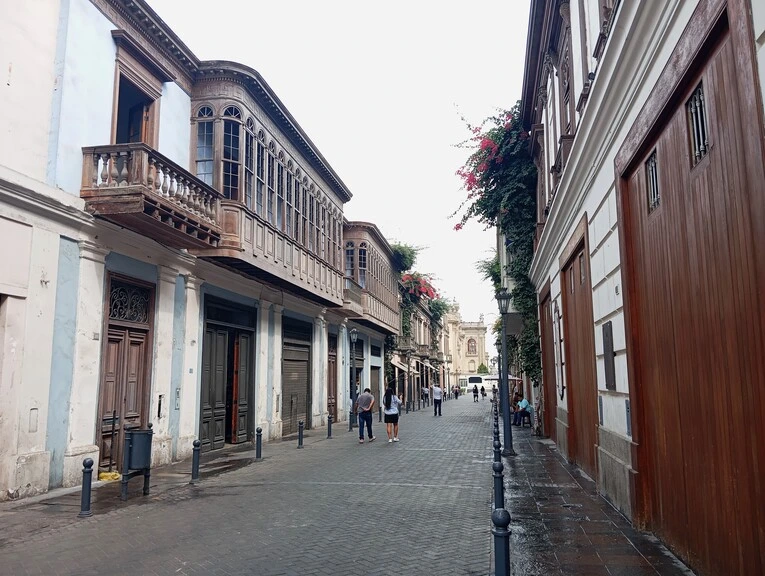
If you are exploring the Historic Centre, be sure to visit Jirón Conde de Superunda, Jirón Huancavelica, and Jirón Ucayali, to mention just a few of its notable streets. Wherever you go in “Old Lima”, you will discover a colonial church, a republican-era building, a museum or cultural centre, a gallery showcasing the finest local handicrafts, and a bar or restaurant serving the exquisite flavours that make Peruvian cuisine so renowned.
*Conde de Superunda: This street links Tacna Avenue with Plaza de Armas. Highlights include the Osambela House, the House of the Columns, and the Church and Convent of Santo Domingo, originally built in 1535. The Count of Superunda, José Antonio Manso de Velasco, served as Viceroy of Peru between 1745 and 1761.
*Huancavelica: This street crosses important thoroughfares such as Tacna Avenue and Jirón de la Unión (near La Merced Church) and Jirón Carabaya. Along its blocks you will find the Miguel Grau House Museum, dedicated to the naval hero of the War of the Pacific and voted Peru’s Person of the Millennium; the Carbone delicatessen, famous for its butifarras; the Segura Theatre; and the Sanctuary of Las Nazarenas (on the corner with Tacna Avenue), home to the revered Lord of Miracles, the patron saint of Lima.
*Ucayali: Stretching between Jirón de la Unión and Jirón Paruro, this seven-block street is home to several landmarks of interest, including the Torre Tagle Palace, renowned for its magnificent Baroque façade; the Aliaga House, continuously inhabited by the same family since the colonial era; and the 16th-century Church of San Pedro. If you fancy a drink, Maury Bar is the perfect place to enjoy a traditional pisco sour. If you’re in the mood for Oriental cuisine with a distinctive Peruvian touch, pay a visit to Lima’s Chinatown.
Now you know: Peru’s capital has a wealth of experiences waiting for you. Don’t hesitate any longer—start planning your journey to the “City of Kings”.
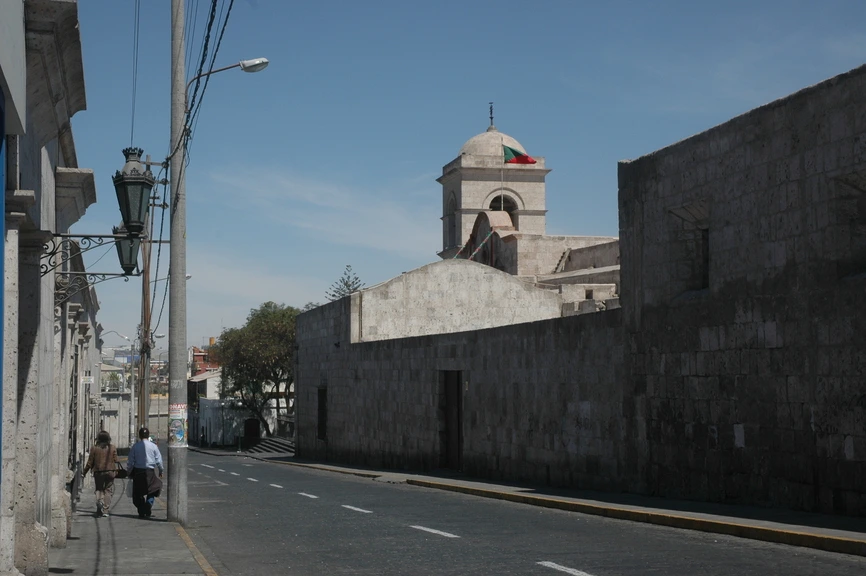
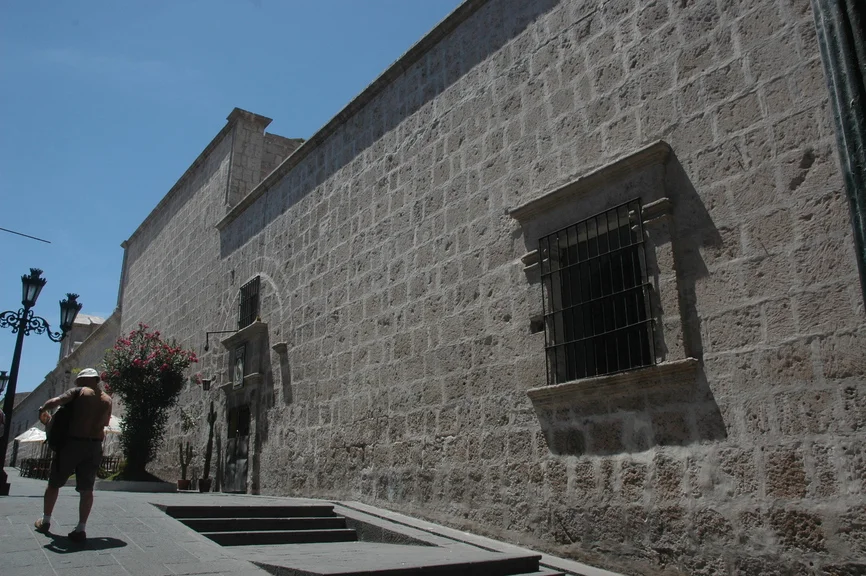
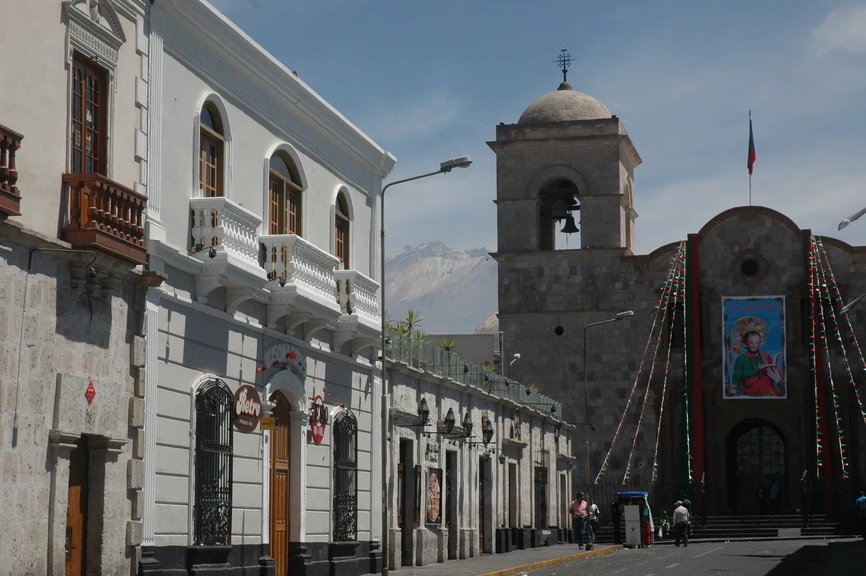
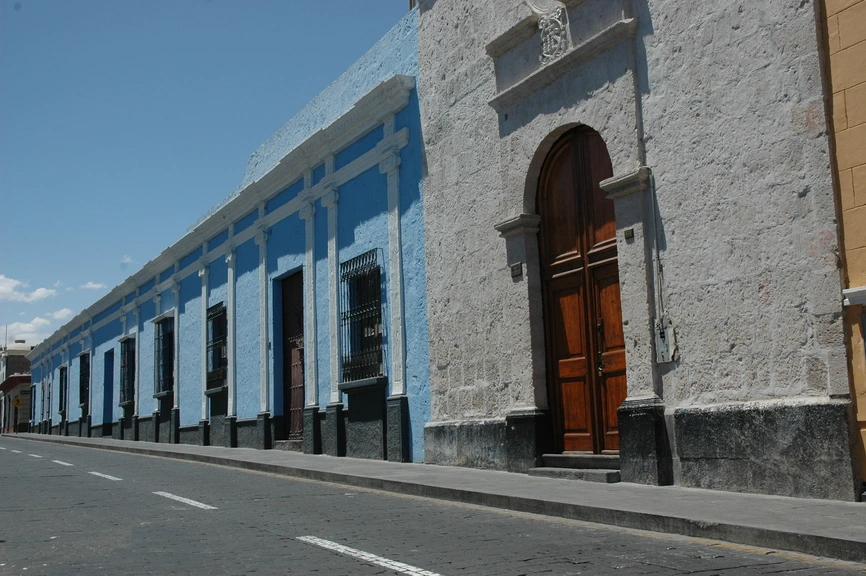
Arequipa is one of the most beautiful cities in Peru. Its Historic Centre, declared a UNESCO World Heritage Site, will captivate you with its convents, churches, and monumental mansions built from blocks of sillar. The use of this volcanic stone gives its colonial and republican buildings a distinctive character that sets them apart from those found in other cities across the country. This uniqueness is part of its charm.
Founded on 15 August 1540 by Garcí Manuel de Carbajal, the city’s name is believed by some to derive from the Quechua expression ari qepay, meaning “yes, stay here” in English. According to tradition, this was the response given by the Inca Mayta Cápac when his followers asked whether they could stop their journey in this sunny valley. However, this is not the only explanation. Others believe the name comes from the Aymara words ari (summit) and queppa (behind).
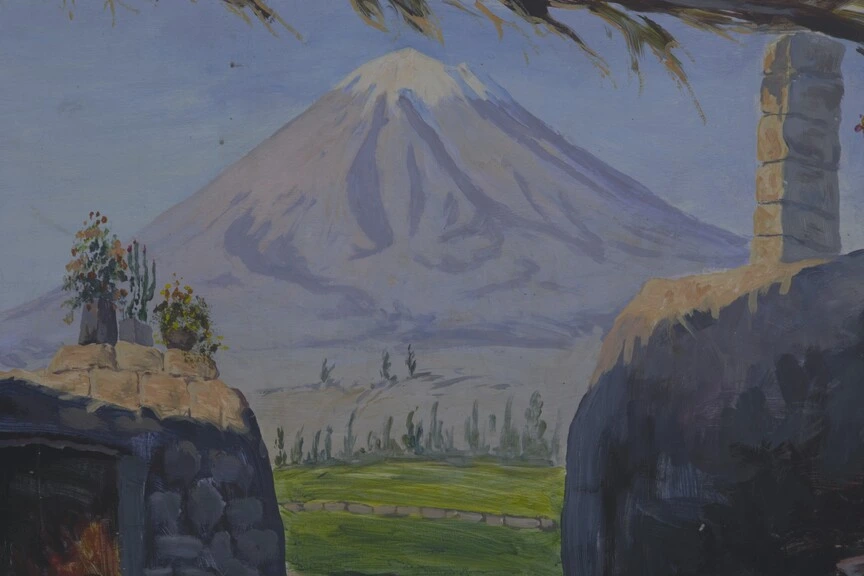
When you visit Arequipa, both interpretations seem to make sense. As you stroll through its squares and streets, you may find yourself wanting to stay one or several days longer. You will also notice that the so-called “White City” lies behind—or in front of, depending on your perspective—three volcanoes: Chachani, Picchu Picchu, and Misti. The latter is the city’s icon, emblem, and source of pride for those born in this land at 2,335 metres above sea level.
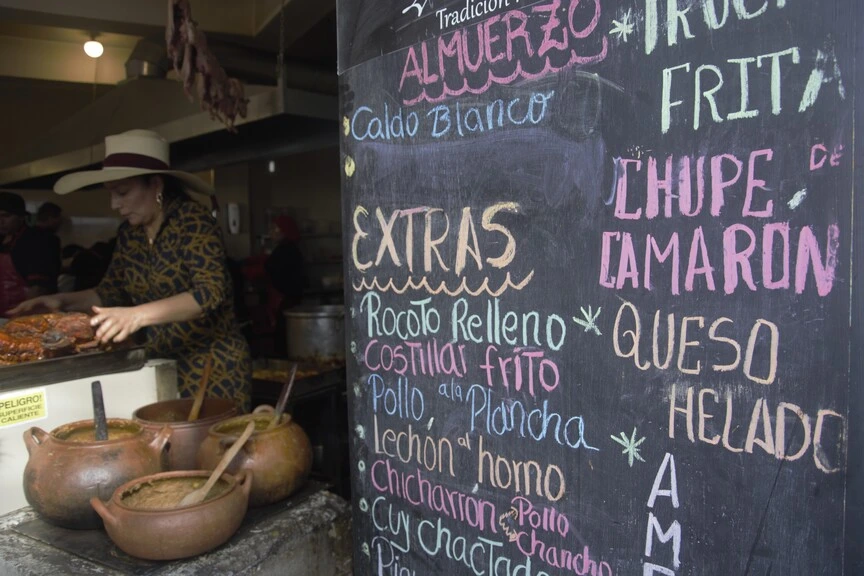
Famous for its exquisite and diverse gastronomy, Arequipa invites you to discover its traditional flavours in the local picanterías, where some of the finest dishes of Arequipeñan cuisine are served. Rocoto relleno, pastel de papa, cuy chactado, ocopa arequipeña, zarza de patas, and adobo de cerdo are just a few of the delicacies awaiting you.
If you are visiting Arequipa and would like to enjoy this culinary experience, gastronomic tours—both private and free—offer an excellent opportunity to discover the city’s food heritage through its most iconic flavours.
After a hearty breakfast or lunch, it is a great idea to explore the streets of the Historic Centre. While every street has something interesting to offer, some are truly special. If you would like to find out which ones they are, join this journey through the urban heart of Arequipa—the “White City” and the volcanic land where, as one of the “Children of the Sun” supposedly decreed centuries ago, one should stop and stay.
A World Heritage Site
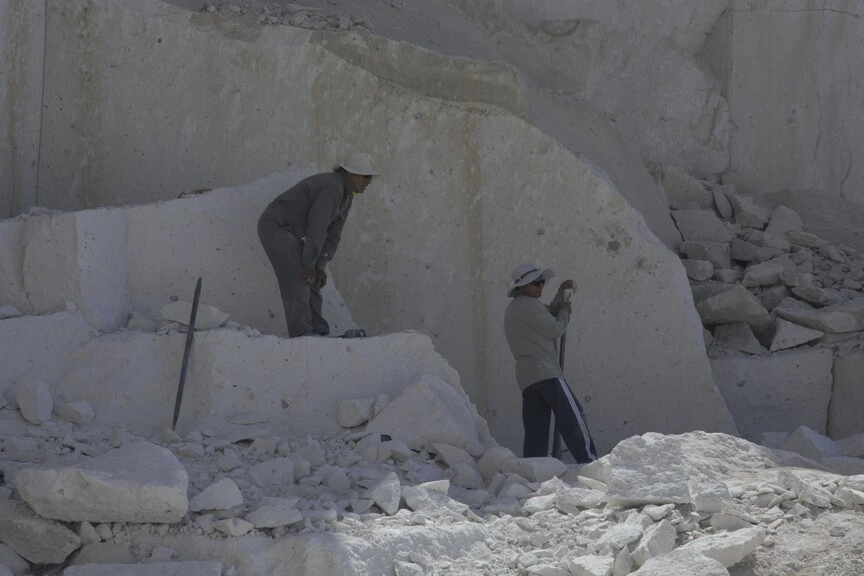
Built from volcanic sillar stone, Arequipa’s Historic Centre represents a remarkable blend of European construction techniques and local building traditions. This fusion is reflected in the outstanding work of colonial master builders, as well as Creole and Indigenous stonemasons. The combination of influences can be seen in the city’s sturdy walls, arches and vaults, courtyards, and open spaces, as well as in the intricate Baroque decoration that adorns many of its façades.
These are just some of the reasons why UNESCO declared the historic and founding centre of Arequipa a World Heritage Site. According to Peru’s Ministry of Foreign Trade and Tourism, the area contains 273 mansions classified as monuments and 433 buildings of heritage interest, most of which were built from sillar during the eighteenth century.
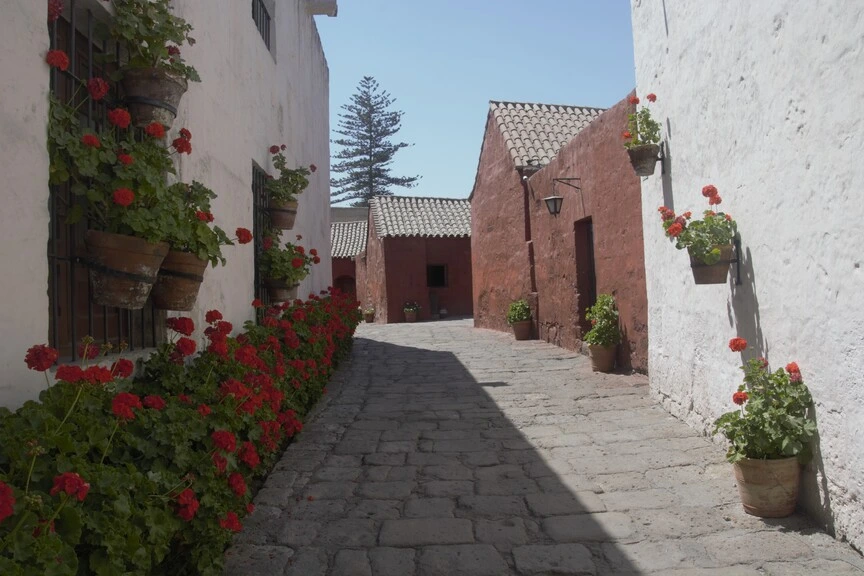
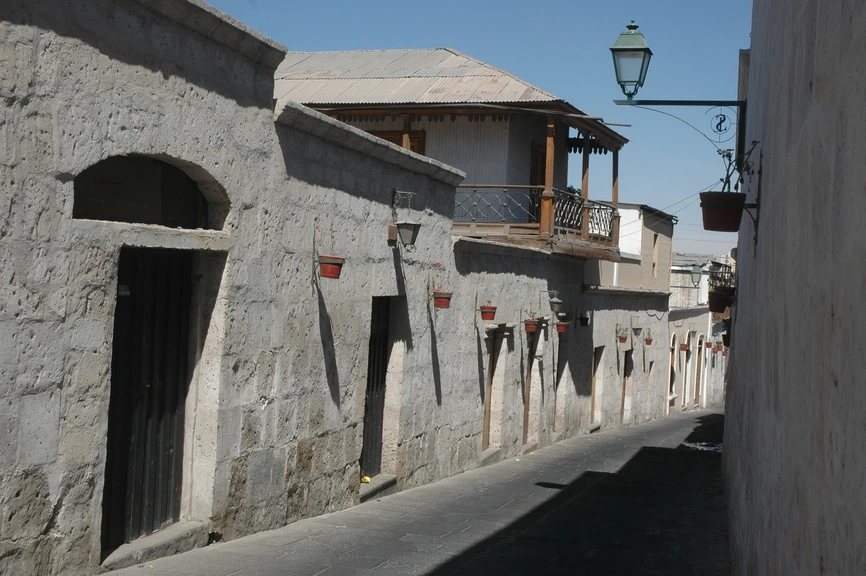
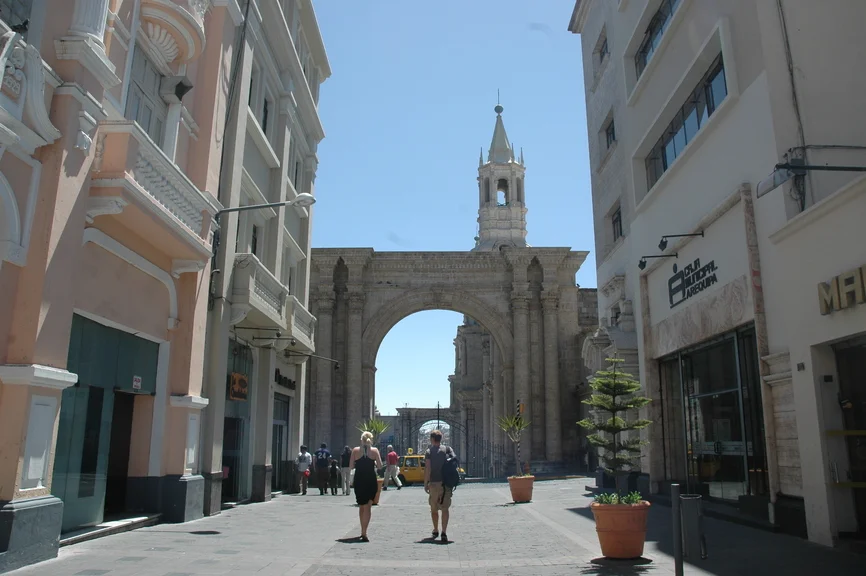
Within this monumental area, several unique landmarks stand out, including Plaza de Armas, surrounded by sillar arcades and dominated by the impressive Cathedral Basilica; the Monastery of Santa Catalina, a dazzling city within a city devoted to faith; the Church of the Society of Jesus, a magnificent example of colonial religious architecture; and the San Lázaro neighbourhood, the oldest and perhaps the most picturesque part of the city, with its narrow streets that resemble a labyrinth.
All of these places are connected by attractive streets where every step brings you closer to the origins and essence of the “White City” — a city with identity, character, and tradition. This is exactly what you will experience as you stroll along Mercaderes Street, Cathedral Passage, Santa Catalina Street, San Francisco Street, Sucre Street, Álvarez Thomas Street, and the charming alleyways of the San Lázaro neighbourhood.
Get ready to walk through the historic and volcanic streets of Arequipa, the city protected by three immense volcanoes.
Mercaderes Street
Its four pedestrianised blocks hold more than three centuries of history. During colonial times, this street was where merchants and traders gathered to offer a wide variety of goods. That commercial spirit remains alive today. Many of its historic mansions have been transformed into shopping arcades, restaurants, cafés, and a wide range of shops.
But do not be mistaken. Mercaderes Street, which begins at Plaza de Armas, is much more than a place for buying and selling. As you stroll along it, you will discover buildings of great architectural interest, such as the Gamesa Gallery building (Mercaderes 212), notable for its beautiful inner courtyard, and the Municipal Theatre (Mercaderes 239), with its striking white sillar façade.
These are not the only noteworthy landmarks. The El Patio del Ekeko Gallery (Mercaderes 141) and Los Tambos Colonial Hotel have preserved much of their architectural charm despite being adapted for commercial use. When you reach the fourth block, look for number 411. This is a nineteenth-century mansion built in the Neoclassical style that has been declared a National Cultural Heritage Site.
Cathedral Passage
Very close to Mercaderes Street, on the corner of Plaza de Armas and beside the Cathedral Basilica, you will discover a charming passageway full of character and picturesque details. Along its 300-metre length, you will find a wide selection of handicraft shops, restaurants, bars, and other establishments that create a relaxed and bohemian atmosphere, perfectly complementing the gastronomy of Arequipa’s White City.
The passage links Santa Catalina Street with San Francisco Street. When you visit, take a moment to admire the white sillar walls that form the side façade of the Cathedral. Access to the passage is free, and its shops generally open from 09:00 until 22:00.
Santa Catalina Street
Its main attraction is the Monastery of Saint Catherine of Siena. From Cathedral Passage, you will walk approximately 300 metres to reach this city of faith which, since the sixteenth century, has been home to women who chose to withdraw from worldly life and dedicate themselves to God.
Along the way to the monastery, founded in 1579 through the initiative of the Spanish widow María de Guzmán, you will come across cafés and restaurants where you can enjoy a pleasant break. You will also see historic mansions with wooden balconies. The walk is peaceful and enjoyable, as the first few blocks are pedestrianised.
Make the most of your visit by allowing yourself to get “lost” within the monastery’s 20,000 square metres. Its cloisters (including living quarters, kitchens, and laundries), tranquil courtyards, inspiring art gallery, and narrow internal streets will transport you to another era and offer a fascinating insight into the past and present lives of the cloistered nuns.
San Francisco Street
This is one of the liveliest streets in Arequipa’s Historic Centre. Along San Francisco Street, you will find restaurants, bars, pubs, museums, a colonial church, a former estate converted into an artisan gallery, and a mansion that many specialists consider to have the most richly decorated façade in the city.
From Santa Catalina Street, it is only a short walk of around 150 metres to reach San Francisco Street. Once there, head towards the square, church, and convent of the same name, a masterpiece of Mestizo Baroque architecture dating back to the sixteenth century. You should also visit the colonial estate known as El Fierro, an ideal place to purchase some of the finest local handicrafts.
On the first block, stop in front of the Tristán del Pozo Mansion. Built in 1738, its sillar façade is a striking example of the elaborate ornamentation characteristic of Mestizo Baroque architecture. Medallions bearing sacred monograms, a depiction of the cantuta (Peru’s national flower), and decorative gargoyles are just some of the details that will catch your eye.
In 2009, the building’s interior was transformed into the exhibition halls of the Pedro Brescia Cafferata Art Gallery, operated by BBVA. Admission is free. If you are interested in exploring more of Arequipa’s cultural heritage, consider visiting the Religious Art Museum and the Municipal History Museum as well.
Sucre Street
A haven of colonial and republican architecture, this urban thoroughfare was once known as Callejón de los Tirados. Now a pedestrian street, it preserves intact sillar façades, carved doorways, and balconies that reveal the social importance of the families who once lived in this part of the Historic Centre.
Sucre Street can be reached from Plaza de Armas via Puente Bolognesi Street or San Agustín Street. Along the way, take the opportunity to photograph the Flores, San Agustín, and Municipalidad arcades, which surround the historic heart of the White City.
Álvarez Thomas Street
It is very easy to find. If you are in Plaza de Armas, head towards the Church of the Society of Jesus, located between the Municipalidad and Flores arcades. The side wall of this jewel of Mestizo Baroque architecture—whose construction began in 1590—runs alongside Álvarez Thomas Street, which was formerly known as Ejercicios Street and San Bernardo Street.
The street is named in honour of José Ignacio Álvarez Thomas, a politician and military leader born in Arequipa in 1787 who served as Supreme Director of the United Provinces of the Río de la Plata in 1815. He is remembered for his strong support of General José de San Martín in his efforts to secure the independence of Argentina, Chile, and Peru.
Among its most notable landmarks are the Municipal Public Library (Álvarez Thomas 312), an Art Nouveau building that houses a copy of El Republicano, Arequipa’s first newspaper, published in 1825; and the Villalobos House Museum (Álvarez Thomas 206), renowned for its magnificent sillar façade. A true delight for the eyes.
San Lázaro Neighbourhood
Spanish conquerors settled in this part of the city in 1540. For that reason, San Lázaro is considered the first neighbourhood of Arequipa. From Plaza de Armas, it can be reached via Santa Catalina Street or San Francisco Street (approximately 800 metres and 1 kilometre respectively), making it an excellent destination for a walk through its historic alleyways and passageways.
The neighbourhood is highly Instagrammable thanks to its narrow streets lined with sillar houses, windows protected by wrought-iron grilles, and flower pots decorating the walls. Every little lane, filled with a sense of history, leads to the peaceful San Lázaro Square, where the church of the same name stands.
The alleyways and passageways you should explore in the neighbourhood include: Violín Alley (one of the narrowest and most visited), Cristales Alley (where glassware and ceramics were once sold), Desaguadero Alley (where an irrigation channel once ran), Ripacha Alley (one of San Lázaro’s tourist gems), Calienes Alley, and Combate Naval Alley, which will impress you with its architecture.
There are still many more streets to discover in San Lázaro and countless things to do in Arequipa. Dare to wander through the White City and uncover, step by step, its remarkable architectural and cultural heritage. Take your time and let yourself be accompanied by Misti, the guardian volcano of a destination that is a true source of pride for all humanity.
To understand the origins of the San Lázaro neighbourhood, we must go back to the years before the Spanish foundation of Arequipa. Before 1540, this area was already inhabited by Indigenous communities settled near the Chili River, taking advantage of the water supply and the natural routes connecting the valley. When the Spanish founded the city, San Lázaro became integrated as one of the first urban centres of the emerging Arequipa.
Over the centuries, the neighbourhood preserved much of its original layout. Its narrow streets, sillar stone passageways, and small squares reflect the traditional architecture that characterised the “White City” during the colonial period. Unlike other areas that were transformed by urban growth, San Lázaro maintained a quieter and more residential atmosphere.
Today, the neighbourhood is one of the areas with the greatest historical value in Arequipa. Surrounded by cafés, traditional picanterías, and walking routes, its alleyways offer visitors a close look at part of the city’s everyday past, just a few minutes from Arequipa’s historic centre and Plaza de Armas.
The Origins of Arequipa’s Oldest Neighbourhood
The San Lázaro neighbourhood is considered one of the oldest areas in Arequipa and preserves a history that dates back to the years before the Spanish foundation of the city in 1540. Long before the colonial period, this area already formed part of the settlements established in the Chili River valley, where different Indigenous communities developed agricultural and livestock activities by making use of the irrigation channels and fertile lands of the region.
In the past, the area was known as Llallinhuayo and was inhabited by the Yarabayas, as well as groups connected to the Collaguas, Lupacas, and other Andean populations that gradually arrived in the valley over time. The inhabitants lived in small hamlets built alongside pathways and water channels, forming one of the earliest populated centres in the area. Thanks to its strategic location, San Lázaro also became a meeting point between different cultures of the southern Andes.
In 1539, the Spanish arrived in the Chili River valley and found a territory that was already occupied and organised. The presence of water, the agricultural conditions, and the proximity to the river encouraged the establishment of the new colonial settlement. Shortly afterwards, the “Villa Hermosa de Nuestra Señora de la Asunta” was founded, becoming the origin of the present-day city of Arequipa. Decades later, the eruption of the Huaynaputina volcano in 1600 affected much of southern Peru and marked one of the most difficult periods for the population of the region.
The Yarabayas: The First Inhabitants of San Lázaro
The Yarabayas, belonging to the group known as the llactarunas — regarded as some of the earliest inhabitants of the Arequipa valley — were among the first communities to settle along the banks of the Chili River. Their presence in the area dates back several centuries before the Inca expansion and the arrival of the Spanish. The territory they occupied stretched from the present-day San Lázaro ravine to areas near Tingo, becoming one of the main pre-Hispanic centres of the valley.
Over time, the territory also came under the influence of other Andean groups, including populations linked to the Collaguas and the Chimbas, who settled near the banks of the Chili River. During this process, the Yarabayas developed agricultural systems adapted to the valley, building terraces and irrigation networks that allowed them to make use of water in a region characterised by arid land.
Hydraulic engineering was one of the greatest contributions of these communities. Through irrigation channels and underground canals, they managed to distribute water to farming areas and maintain supply across different parts of the valley. Part of these ancient hydraulic systems continued to be used during the colonial period and later served as the foundation for the urban growth of the city’s earliest neighbourhoods, including San Lázaro.
The Arrival of the Spanish and the Beginning of Change
The Spanish arrived in the Chili River valley in 1537 and found a territory already occupied by agricultural communities that had been established there for centuries. Among the first inhabitants to come into contact with the newcomers were the Yarabayas, settled on the left bank of the river in the area that would later become the San Lázaro neighbourhood of Arequipa.
During the early years, the relationship between the Spanish and the Indigenous population was shaped by the need for survival and adaptation to the territory. The Spanish made use of the agricultural knowledge developed by the Yarabayas, especially the systems of terraces, irrigation channels, and water canals that were already functioning in the valley. While the new colonial settlement was being organised, many of the newcomers temporarily settled in structures built by the local population.
On 15 August 1540, Captain Garcí Manuel de Carbajal, acting under the orders of Francisco Pizarro, officially founded the city under the name “Villa Hermosa de Nuestra Señora de la Asunta”. From that moment onwards, the territory began to be reorganised according to the colonial model, separating the Indigenous and Spanish populations into different administrative areas. Many native communities were relocated to towns such as Yanahuara and Cayma, although much of their agricultural and hydraulic knowledge continued to play an important role in the colonial economy of the region.
The Huaynaputina Eruption and the Disaster of 1600
One of the most devastating events of the colonial period in southern Peru took place on 19 February 1600, when the Huaynaputina volcano erupted. Recorded as one of the largest volcanic eruptions in the history of South America, the event had its epicentre in what is now the Moquegua region, around 65 kilometres from Arequipa. The explosion released enormous quantities of ash and gases that rose several kilometres into the atmosphere and altered the climate conditions across much of the Andean region.
The consequences quickly spread throughout the agricultural valleys of Moquegua, Arequipa, and Puno. Entire villages were covered in ash and mud, while crops, livestock, and trade routes suffered severe losses. Heavy rains, contaminated water sources, and food shortages led to famine and epidemics that affected both Indigenous and Spanish populations for years afterwards.
Despite the impact, the cities of the southern Andes gradually managed to recover. Reconstruction depended on agricultural reorganisation, the restoration of irrigation channels, and the reactivation of regional trade. In Arequipa, many of the hydraulic systems inherited from pre-Hispanic times once again became essential for sustaining production in the valley and supporting economic recovery during the 17th century.
San Lázaro During the Colonial Period
During the colonial era, the San Lázaro neighbourhood became established as one of the earliest Spanish settlements in Arequipa. Its development was closely linked to the city’s initial growth and it functioned as a transitional space between the ancient Indigenous settlements of the Chili Valley and the new urban layout imposed by the Spanish after the foundation of 1540.
Over the years, the neighbourhood became known for its narrow alleyways, cobbled passages, and houses built from sillar, the volcanic stone that would later become one of Arequipa’s main architectural symbols. Unlike the traditional grid layout used throughout much of the colonial city, San Lázaro preserved an irregular design inherited from ancient pre-Hispanic pathways and settlements.
Much of the sillar used in its buildings came from the Añashuayco ravine, an area that centuries later would become recognised as part of the present-day Sillar Route. Among the neighbourhood’s most representative spaces is Campo Redondo Square, one of the old gathering points of the area. Its name is linked to Captain Pedro Anzures de Campo Redondo, a figure associated with the first expeditions and colonial occupation processes in the region.
Expansion and Transformation of the Neighbourhood
The San Lázaro neighbourhood is considered the oldest area of Arequipa and one of the first spaces occupied during the early stages of the colonial city. Over the centuries, its growth and historical preservation helped consolidate the architectural identity of Arequipa’s historic centre, which is now recognised as a UNESCO World Cultural Heritage Site.
Unlike other areas designed under the Spanish grid system, San Lázaro developed in a more organic way. Its narrow alleyways, irregular passages, and small squares preserved part of the valley’s ancient layout. Among the best-known passages are Violín, Cristales, and Ripacha, all surrounded by buildings constructed from sillar, the volcanic stone characteristic of Arequipa. This material helped reinforce many homes against the constant earthquakes that shaped the city’s history from the 17th century onwards.
Already well established during the colonial period, the neighbourhood gradually acquired greater social and religious importance. The construction of the Church of San Lázaro and the development of Campo Redondo Square transformed the area into one of the main meeting points for the local population for several centuries.
The Coexistence of Two Cultures
The Yarabayas, ancient inhabitants of the Chili River valley, based their economy on agriculture and livestock long before the arrival of the Spanish. When the colonisers settled in the area during the 16th century, a process of coexistence and cultural exchange began that would directly influence the social and urban identity of Arequipa.
Unlike the rest of the historic centre, designed under the Spanish grid model, the San Lázaro neighbourhood preserved an irregular layout inherited from ancient Andean pathways. Its narrow streets, winding passages, and small squares reflect part of the valley’s original organisation before the official foundation of the city in 1540. In this context, Campo Redondo Square became established as one of the first meeting and transit spaces within the area.
Over time, this coexistence also gave rise to new cultural and culinary expressions. Among the most notable are the traditional Arequipa picanterías, establishments that combined ingredients, techniques, and customs inherited from both Andean communities and Spanish cuisine. During the colonial period, these places served as gathering points for merchants, travellers, and local residents, preserving a culinary tradition that remains alive in the city today.
The Cultural Growth of San Lázaro
The San Lázaro neighbourhood, considered the oldest area of Arequipa, has undergone an important process of urban and heritage restoration in recent decades. What for many years was mainly a residential area has gradually become one of the city’s most representative historical and tourist spaces, while still preserving much of its traditional identity.
This process included the restoration of old sillar stone houses, small squares, and historic alleyways that form part of the neighbourhood’s original layout. Among the best-known spaces are Violín Alley and Combate Naval Alley, narrow streets that still preserve the urban structure inherited from the colonial period. This architectural restoration has helped protect the neighbourhood’s distinctive character and preserve part of the historical memory of central Arequipa.
Today, San Lázaro combines traditional homes with cafés, workshops, galleries, and small cultural spaces integrated into its historic surroundings. Its sillar streets and pedestrian passages have turned the neighbourhood into a quieter alternative to the constant movement of Arequipa’s historic centre.
Curious Facts About San Lázaro
After the foundation of Arequipa in 1540, the San Lázaro area began to be known as the “Old City” or the “San Lázaro scrubland”. During the colonial period, these names referred to its peripheral location in relation to the new Spanish urban centre. However, over time, the neighbourhood became established as one of the oldest and most representative historic sectors of the city.
Unlike the grid layout typical of colonial Arequipa, San Lázaro preserved narrow streets, irregular alleyways, and an urban organisation different from the rest of the historic centre. Although archaeology has not yet definitively confirmed the exact origin of this layout, several studies link its structure to ancient roads and settlements that existed before the arrival of the Spanish. This urban design has helped preserve part of the original configuration of the Chili Valley within the modern city.
The origin of the name “San Lázaro” is also part of the neighbourhood’s historical traditions. According to colonial accounts, one of the Spanish conquistadors became seriously ill shortly after arriving in the valley and was believed to have died. Some time later, he unexpectedly recovered, an event that local residents associated with the biblical figure of Lázaro, who is known for returning to life in the Gospel. From that moment onwards, the area began to be identified by that name, which has remained in use to the present day.
San Lázaro Neighbourhood Today
After centuries of urban and social transformation, the San Lázaro neighbourhood has become one of Arequipa’s main historical attractions. Its narrow streets, traditional alleyways, and sillar stone buildings now coexist with small hotels, cafés, galleries, and cultural spaces established inside former colonial mansions. The preservation of its original layout has allowed the neighbourhood to maintain an urban character distinct from the rest of the historic centre.
The neighbourhood has also become one of the city’s main gastronomic areas. Several traditional picanterías operate in and around San Lázaro, recognised for preserving recipes and culinary techniques inherited from the colonial period. Many of these dishes were born from the combination of Andean ingredients and customs brought by the Spanish during the 16th century, giving rise to one of the most representative cuisines in southern Peru. In addition to its architectural and culinary value, San Lázaro still preserves a daily atmosphere that reflects part of its historical past. Its small squares, sillar façades, and irregular alleyways maintain an urban structure that predates the Spanish foundation of the city. This legacy makes the neighbourhood one of the few areas in Arequipa where it is still possible to recognise elements linked to the ancient settlements of the Chili River valley.
What to See in the San Lázaro Neighbourhood
San Lázaro preserves much of the colonial urban layout that characterised the city’s earliest settlements. Its cobbled streets, narrow alleyways, and sillar stone buildings reflect the traditional architecture of Arequipa developed during the Viceroyalty of Peru. Among the main places to explore within the neighbourhood are the following:
Sillar Architecture: Violín, Cristales, and Ripacha alleyways preserve houses built from white sillar, the volcanic stone characteristic of Arequipa. This material, historically extracted from nearby quarries such as Añashuayco, was used in many of the city’s colonial buildings.
San Lázaro Square: Considered one of the neighbourhood’s main meeting points, this small square still preserves the traditional character of the area. Around it, visitors can still see old sillar houses, balconies, and alleyways that retain part of the neighbourhood’s original structure.
San Lázaro Chapel: The neighbourhood chapel is one of the oldest churches in the city and formed part of the religious development of the early colonial years. Its presence helped establish San Lázaro as one of the most important urban centres of colonial Arequipa.
Traditional Picanterías: San Lázaro is also well known for its picanterías, places where much of Arequipa’s traditional cuisine remains alive. Typical dishes and drinks such as chicha de guiñapo are part of a culinary tradition that combines both Andean and Spanish influences.
Puente Grau and Surroundings: On the edge of the neighbourhood lies the area around Puente Grau, one of the historic connections between central Arequipa and districts such as Yanahuara. From this area, visitors can enjoy views of part of the Chili River valley and easily reach other historic sites in the city, including the Yanahuara Viewpoint.
How to Get to the San Lázaro Neighbourhood
The San Lázaro neighbourhood is located just a few minutes from Arequipa’s historic centre and can easily be explored from the Plaza de Armas. Thanks to its proximity, the most practical way to get there is on foot, although it is also possible to reach the area by vehicle from different parts of the city.
Walking Route
The route begins at Arequipa’s Plaza de Armas, the main landmark of the historic centre. From there, head north along Santa Catalina Street, passing alongside one side of the Cathedral.
Along the way, you will pass the Santa Catalina Monastery, located roughly two blocks from the square. Continue walking along the same street until you reach the intersection with Juan de la Torre Street.
Turning right, you will find one of the main entrances to the San Lázaro neighbourhood. The full walk takes around 10 to 12 minutes and allows visitors to cross part of the historic centre before entering the neighbourhood’s traditional streets.
Route by Vehicle
From different parts of the city, it is possible to arrive by taxi or private transport. The most commonly used route follows Jerusalén Street northwards and continues along Juan de la Torre Street, one of the main access roads to San Lázaro.
Must-Do Activities in the San Lázaro Neighbourhood
The San Lázaro neighbourhood is one of Arequipa’s most traditional areas and preserves much of the city’s historic layout. Its narrow streets, sillar stone buildings, and small squares have made it one of the most visited areas within the historic centre. Today, besides exploring it independently, many visitors include the neighbourhood in tourist circuits and guided walking tours.
Here are some activities worth including in your San Lázaro itinerary:
Get Lost Among Its Sillar Streets: One of the main activities in San Lázaro is simply wandering through its alleyways and traditional passages. Streets such as Violín, Bayoneta, and Cristales preserve part of the urban structure inherited from the colonial period and allow visitors to admire old houses built from white sillar, the stone that characterises Arequipa.
Join a Free Walking Tour of Arequipa: Many free walking tours around the historic centre include a visit to San Lázaro. During the tour, guides usually explain episodes related to the city’s foundation, colonial architecture, and the neighbourhood’s old legends. Some tours also connect the area with churches, viewpoints, and other nearby historic sites. If you are looking for a more personalised experience, private tours are also available and often provide more exclusive and memorable visits.
Visit Traditional Cafés and Restaurants: Several former sillar mansions now house cafés, artisan bakeries, and small restaurants. These spaces are part of the neighbourhood’s urban restoration process and blend into the historic surroundings without altering its traditional structure. In addition to local cuisine, many establishments still preserve interior courtyards and architectural elements typical of colonial homes in Arequipa. There are also culinary tours that guide visitors to some of the city’s best spots to try Arequipa’s most traditional and flavourful dishes. If you have the opportunity to join one of these tours, it is definitely worth it!